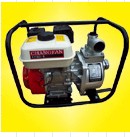
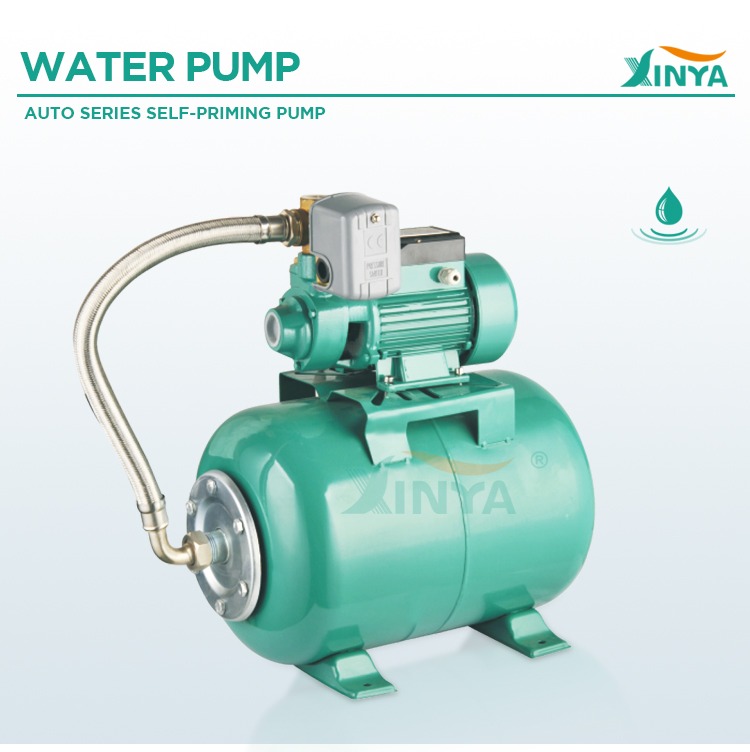
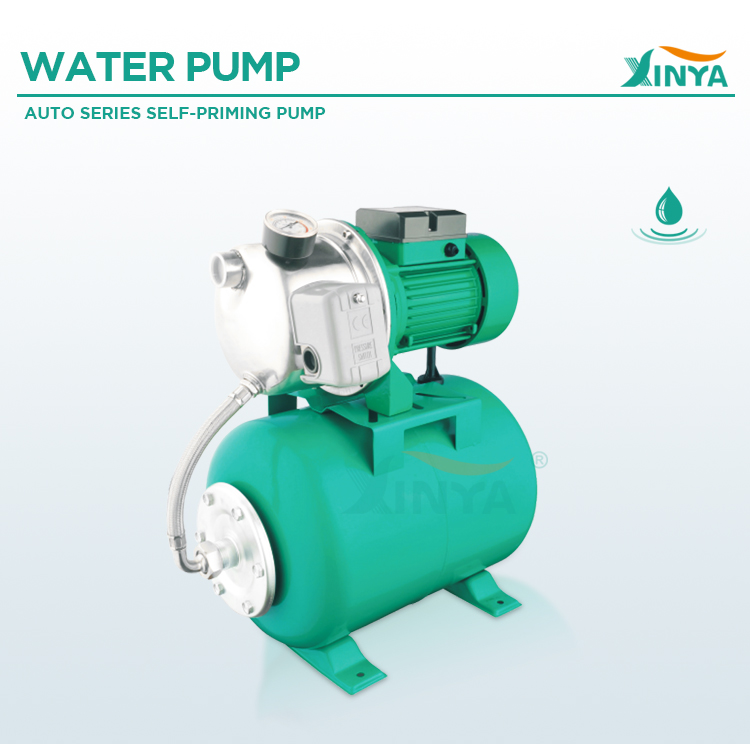
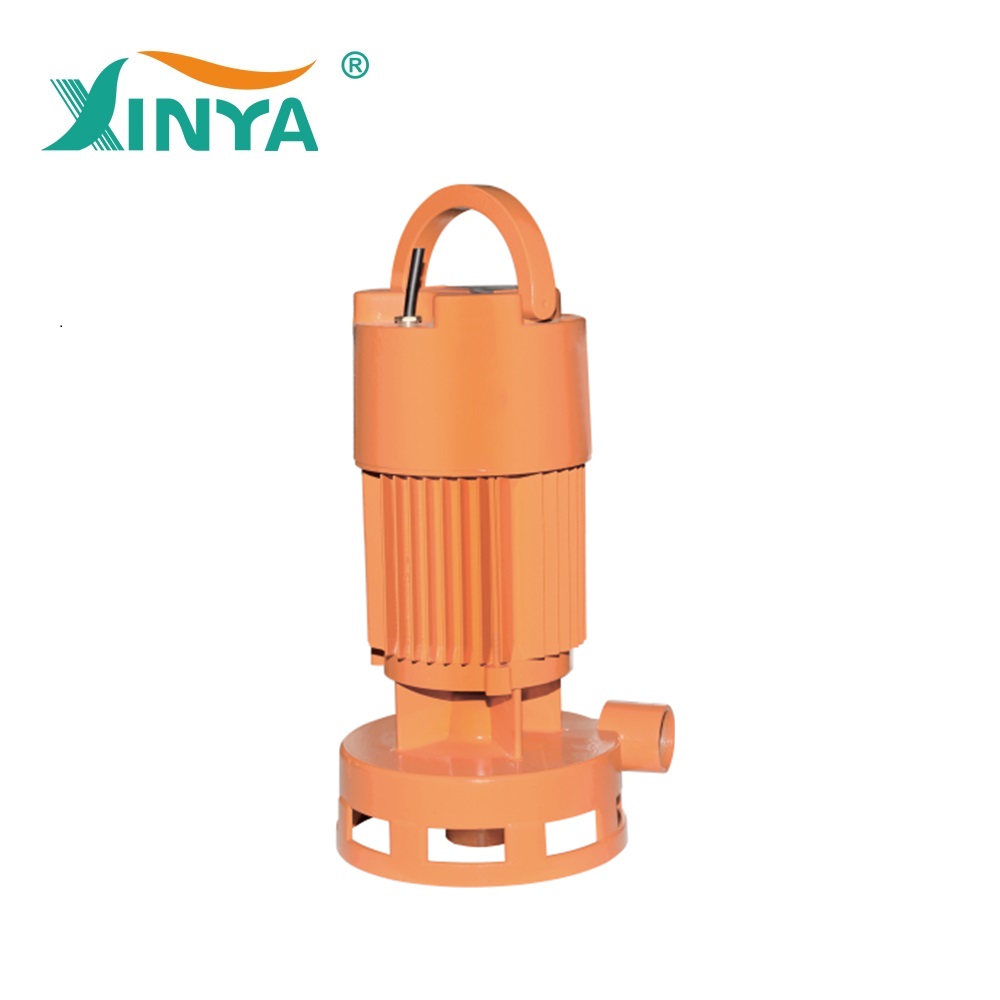
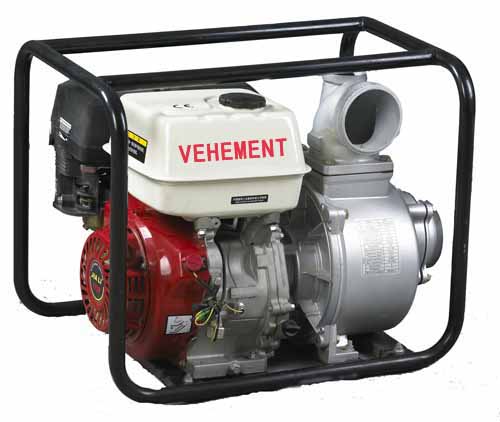
Pumps
Source high-performance agricultural pumps from vetted suppliers and manufacturers across Asia. Designed for importers, wholesale distributors, and agricultural machinery brands, our network provides reliable irrigation and drainage solutions, including scalable OEM and private-label production capabilities.
Sourcing agricultural pumps in volume requires balancing rigorous performance specifications with cost-effective manufacturing. Because these units operate in demanding, continuous-duty environments—often handling turbid water, agricultural runoff, or high-pressure irrigation—the margin for error in manufacturing is virtually zero. Success in sourcing comes down to clearly defining your technical requirements and ensuring the factory has the capability to meet them consistently.
Specifying Agricultural Pumps for Volume Manufacturing
When approaching a manufacturer, vague requirements lead to inconsistent product quality. Factories will default to their standard domestic-market builds unless you specify otherwise. To secure accurate pricing and performance, your technical specification sheet must define:
- Flow Rate and Total Dynamic Head (TDH): Clearly state your required Liters Per Minute (LPM) or Gallons Per Minute (GPM) at specific head heights. Ensure the manufacturer provides a certified pump performance curve, not just a maximum flow rate.
- Motor Specifications: Define the required horsepower (HP) or kilowatts (kW), operating voltage, and frequency (50Hz vs. 60Hz). Specifying the correct frequency is critical, as a 50Hz pump running on a 60Hz power supply will over-speed, leading to rapid motor burnout.
- Material Selection: Specify materials based on the fluid being pumped. For standard irrigation, cast iron housings with brass impellers are common. For corrosive agricultural chemicals or highly turbid water, specify stainless steel (304 or 316) or specialized thermoplastic components.
Where Quality Diverges on the Factory Floor
The visual appearance of a pump rarely indicates its operational lifespan. The true cost of a pump is determined by the internal components that manufacturers often downgrade to hit aggressive price points.
| Component | Standard Market Quality | Premium Export Quality |
|---|---|---|
| Motor Winding | Aluminum or Copper-Clad Aluminum (CCA) | 100% Pure Copper for better thermal management |
| Mechanical Seals | Basic carbon/ceramic (prone to wear with grit) | Silicon carbide or tungsten carbide |
| Impeller Balancing | Unbalanced, leading to bearing vibration | Dynamically balanced for smooth operation |
| Thermal Protection | None, or external only | Built-in thermal overload protection |
To prevent these hidden downgrades, strict oversight is required. We strongly recommend conducting comprehensive Factory Audits to verify that a supplier has the in-house testing facilities—such as dynamometers and hydrostatic testing rigs—necessary to validate their performance claims.
Furthermore, implementing rigorous Quality Control & Inspection protocols before shipment ensures that motor windings, seal integrity, and IP (Ingress Protection) ratings meet your approved specifications.
Customization and OEM Production
For brands looking to establish a unique market presence, off-the-shelf models may not suffice. Agricultural environments vary wildly, and modifying existing designs can provide a significant competitive advantage.
Through dedicated OEM/ODM Services, buyers can request modifications such as custom housing colors, heavy-duty carrying handles for portable units, specialized cable lengths for deep-well applications, and branded control panels. When negotiating OEM agreements, ensure that tooling costs for custom cast parts are clearly defined and that you retain ownership of any custom molds.
Sourcing Mechanics: MOQs, Lead Times, and Pricing
Understanding typical production parameters helps in planning your supply chain and inventory management. While exact figures depend on the specific pump type and factory workload, standard benchmarks apply.
Pricing is heavily influenced by global commodities, specifically the cost of copper (for motors) and cast iron or stainless steel (for housings). When securing long-term supply contracts, it is common to index the unit price to these raw material costs to ensure fair pricing for both parties.
Frequently Asked Questions
Successfully sourcing agricultural pumps at scale requires moving past surface-level price negotiations to focus on internal component quality and factory testing capabilities. By clearly defining your specifications and enforcing strict quality control, you can secure reliable machinery that protects your brand's reputation in the field.
Get Sourcing Help for Pumps
Tell us your requirements and our experts will connect you with verified manufacturers.