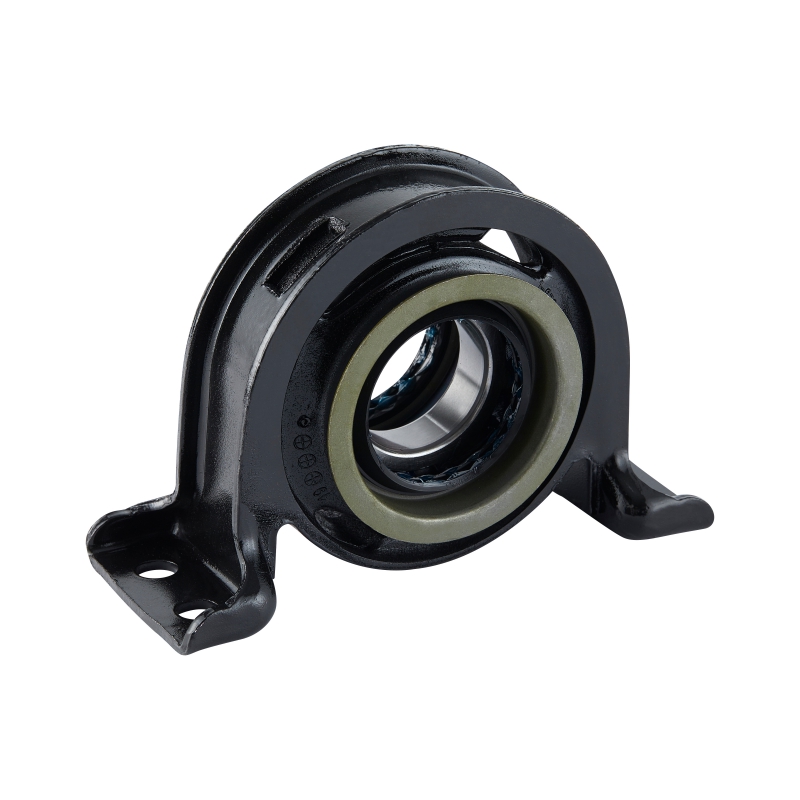
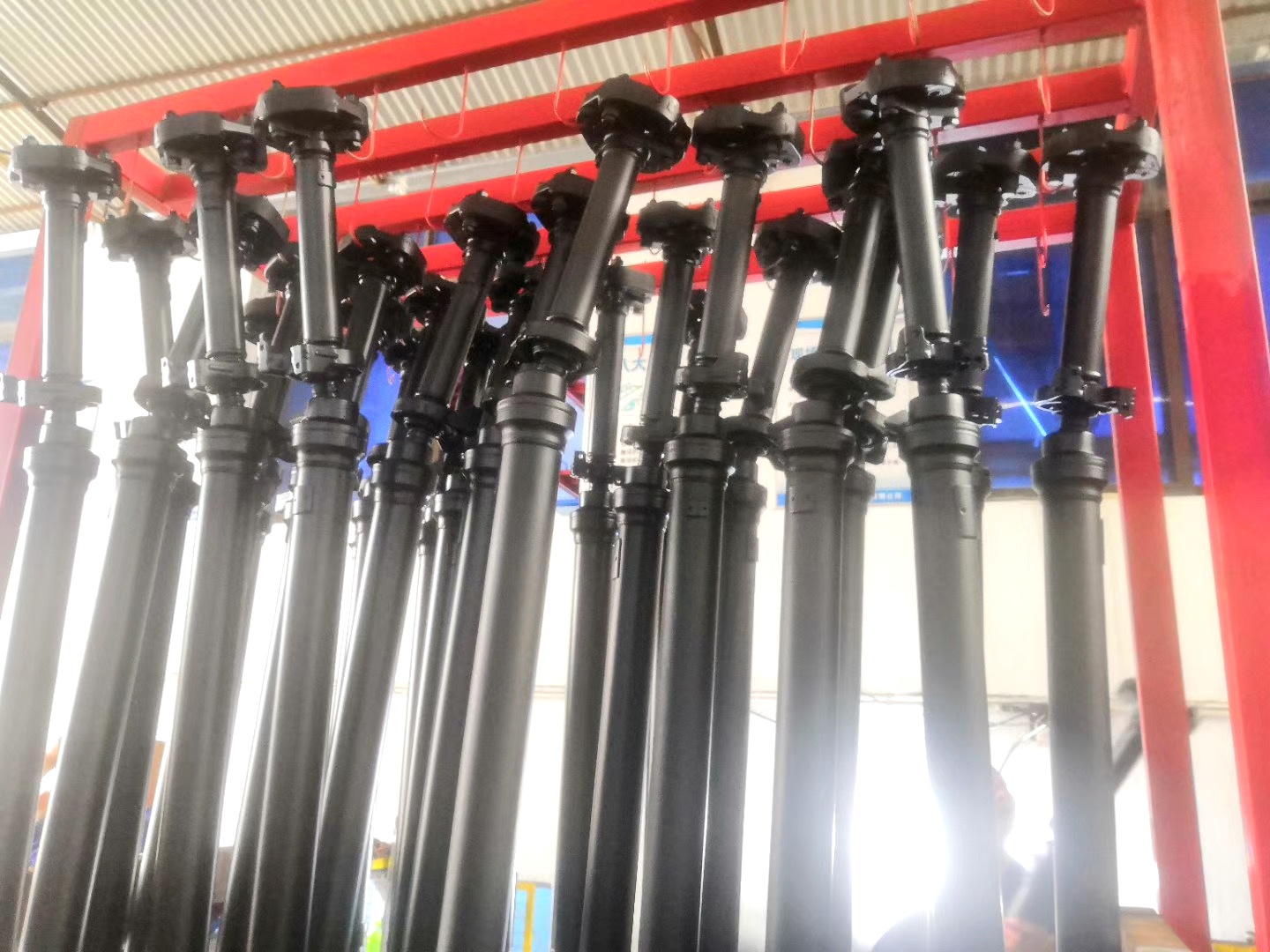
Propeller Shafts
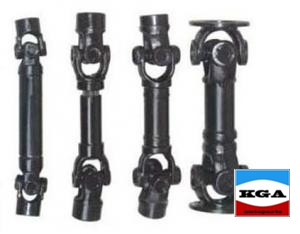
Source premium propeller shafts directly from vetted manufacturers and suppliers in Asia. Designed for automotive importers, auto parts wholesalers, and brands seeking reliable OEM or private-label production. Ensure strict quality control, competitive wholesale pricing, and scalable bulk fulfillment for your transmission system catalog.
Sourcing propeller shafts (driveshafts) at scale requires balancing torque capacity requirements with strict noise, vibration, and harshness (NVH) standards. Because these components rotate at high speeds under variable loads, manufacturing precision is non-negotiable. A fractional misalignment in the yoke or inadequate dynamic balancing will lead to driveline vibration, premature U-joint failure, and warranty claims.
For procurement managers and auto brands, successfully importing these critical transmission components means looking beyond unit price and deeply evaluating a factory's machining tolerances, welding automation, and balancing capabilities.
Critical Specifications to Define
When communicating with overseas manufacturers, vague specifications lead to costly sampling rounds. You must define the exact operating parameters of the vehicle chassis to ensure the factory selects the correct tubing and joint configurations.
Key Propeller Shaft Specifications
- Overall Length: Specify compressed and extended lengths for slip-yoke designs.
- Tube Dimensions: Outer diameter (OD) and wall thickness based on critical speed calculations.
- U-Joint Series: Standardized sizes (e.g., 1310, 1350, 1410) or custom dimensions for heavy-duty applications.
- Spline Profile: Count, pitch, and length of the slip yoke splines.
- Operating Angle: Maximum continuous and intermittent angles the CV or U-joints must accommodate.
- Balancing RPM: The specific RPM at which the shaft must be dynamically balanced (typically matching maximum vehicle speed).
Manufacturing Quality and Defect Prevention
The structural integrity of a propeller shaft is won or lost during welding and balancing. Friction welding and automated MIG/TIG welding are standard for joining the yokes to the tube. Poor weld penetration or excessive heat-affected zones can cause the tube to warp, making it impossible to balance correctly.
Dynamic balancing is the final and most critical step. Factories should utilize computerized balancing machines to add precise counterweights. Tolerances are usually measured in gram-centimeters or ounce-inches. If a supplier lacks in-house, calibrated balancing equipment, they cannot guarantee NVH performance. Implementing strict Quality Control & Inspection protocols, including runout checks and weld penetration tests, is essential before containers are loaded.
Struggling to verify if a supplier's balancing equipment meets OEM standards? Let our sourcing engineers vet the factories and manage your technical requirements.
Talk to our teamMaterial Selection: Steel vs. Aluminum
The choice of tube material drastically impacts the weight, critical speed, and cost of the final assembly.
| Material | Characteristics | Typical Applications |
|---|---|---|
| Carbon Steel (45# / 40Cr) | High torque capacity, excellent durability, heavier weight, highly cost-effective. | Commercial trucks, heavy-duty off-road, standard RWD passenger vehicles. |
| Aluminum Alloy (6061-T6) | Lower rotational mass, higher critical speed threshold, corrosion resistant, higher material cost. | Performance vehicles, light trucks, OEM replacements aiming for weight reduction. |
Supplier Vetting and Automotive Standards
Automotive components carry significant liability. Never source propeller shafts from general metal fabrication shops. Capable suppliers will hold IATF 16949 certification, which mandates strict quality management systems specific to the automotive supply chain.
Before committing to a high-volume order, conducting comprehensive Factory Audits is highly recommended. You need to verify their material traceability (mill test certificates for the steel/aluminum), tooling maintenance schedules, and the calibration records of their dynamic balancers.
MOQs, Pricing, and Lead Times
Propeller shafts are heavy, bulky items. While unit costs in Asia are highly competitive, logistics and tooling can impact your landed margins. If you are developing custom driveshafts for lifted trucks or performance cars, utilizing dedicated OEM/ODM Services will require upfront investment in tooling for custom yokes or splines.
Need to negotiate better terms or manage complex shipping for heavy auto parts? We can streamline your entire supply chain from factory floor to your warehouse.
Get a free consultationFrequently Asked Questions
Sourcing reliable propeller shafts requires a deep understanding of rotational dynamics and automotive manufacturing standards. By partnering with vetted factories that maintain strict in-house balancing and welding controls, you can secure high-performance driveline components that protect your brand's reputation and bottom line.
Get Sourcing Help for Propeller Shafts
Tell us your requirements and our experts will connect you with verified manufacturers.