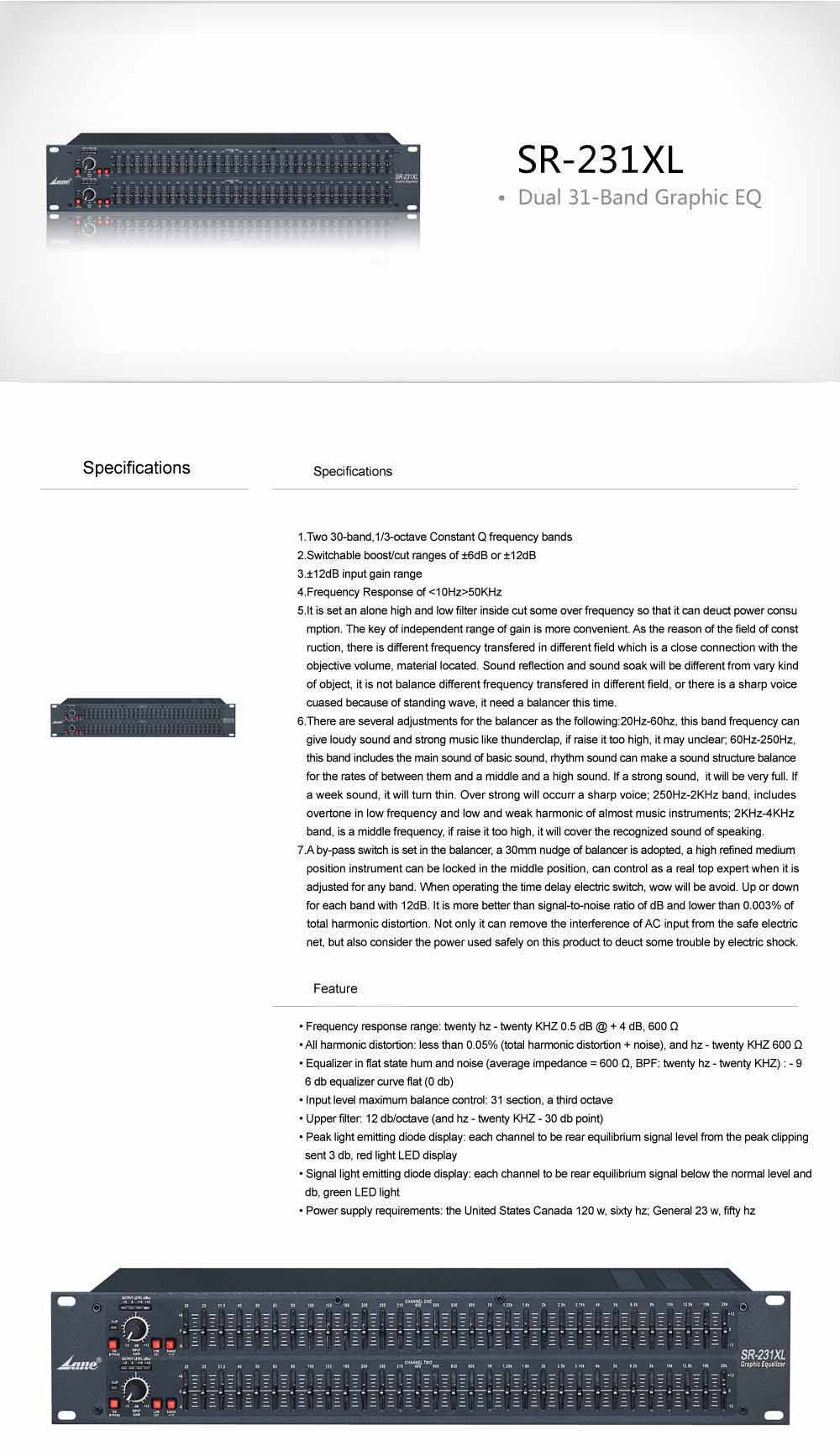
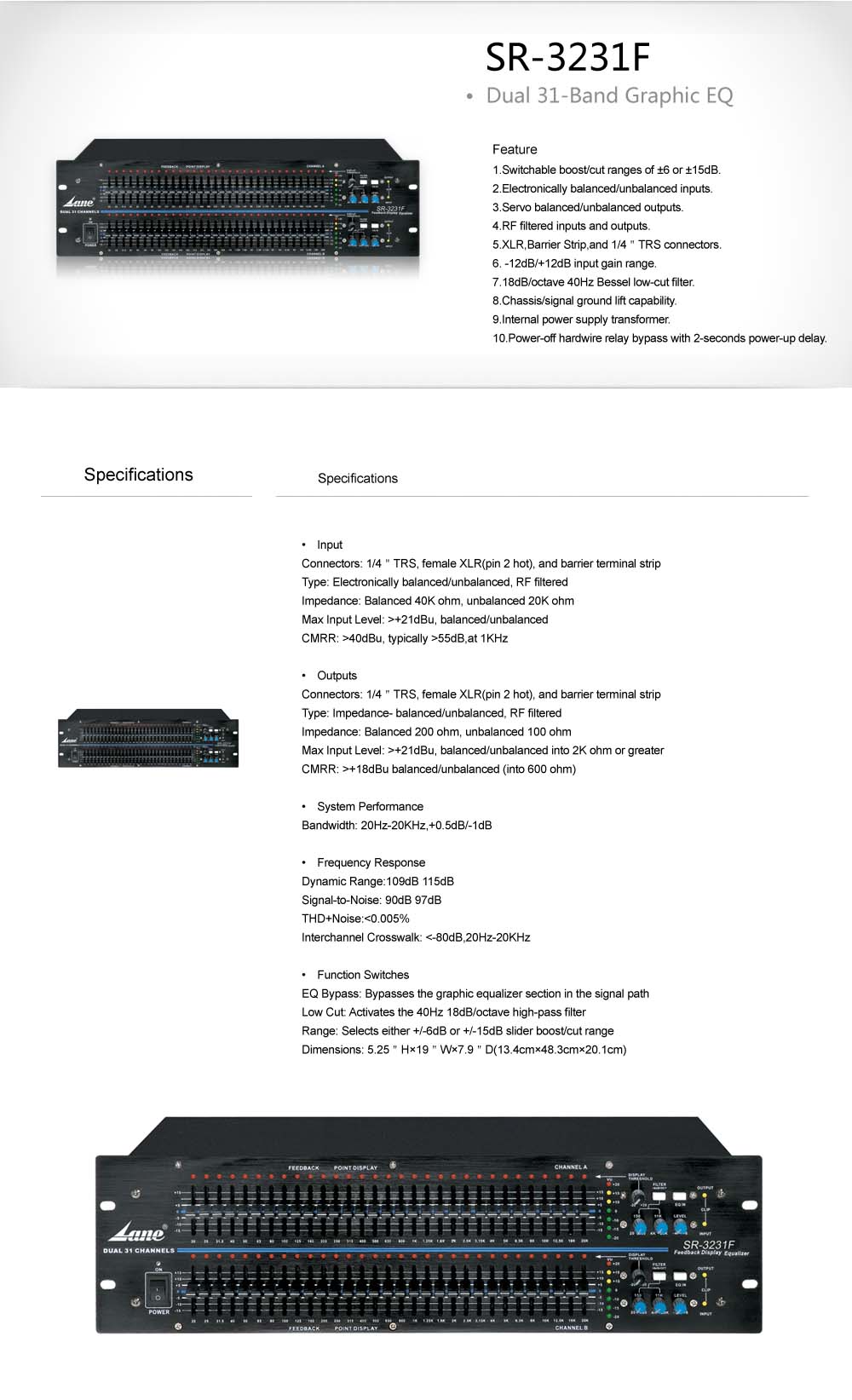
Professional Audio Equipment
Source Professional Audio Equipment from vetted manufacturers and suppliers in Asia. Designed for importers, distributors, and brands seeking reliable wholesale or custom OEM/ODM production, our network delivers high-fidelity performance, rigorous quality control, and scalable volume at competitive pricing.
Sourcing professional audio equipment at scale requires balancing acoustic fidelity, mechanical durability, and unit economics. Whether you are importing active line arrays, passive monitoring systems, or digital signal processing (DSP) units, the difference between a reliable workhorse and a high-failure liability lies deep in the bill of materials (BOM) and the factory's assembly tolerances.
For volume buyers, success depends on identifying manufacturers who understand acoustic engineering, rather than just basic electronics assembly.
Critical Specifications and Component Sourcing
Professional audio gear is subjected to extreme thermal and mechanical stress. When negotiating with suppliers, the core components dictate both the performance and the price floor of your equipment.
- Amplifier Modules: For active systems, Class-D amplification is the industry standard due to its efficiency and thermal management. Specify the exact chipset and power rating (RMS, not just peak). Underspecified heat sinks are a common point of failure in budget OEM builds.
- Transducers and Magnet Materials: The choice between Neodymium and Ferrite impacts both weight and cost. Neodymium offers high magnetic flux density for lighter, more efficient drivers, but costs fluctuate heavily based on rare-earth market dynamics.
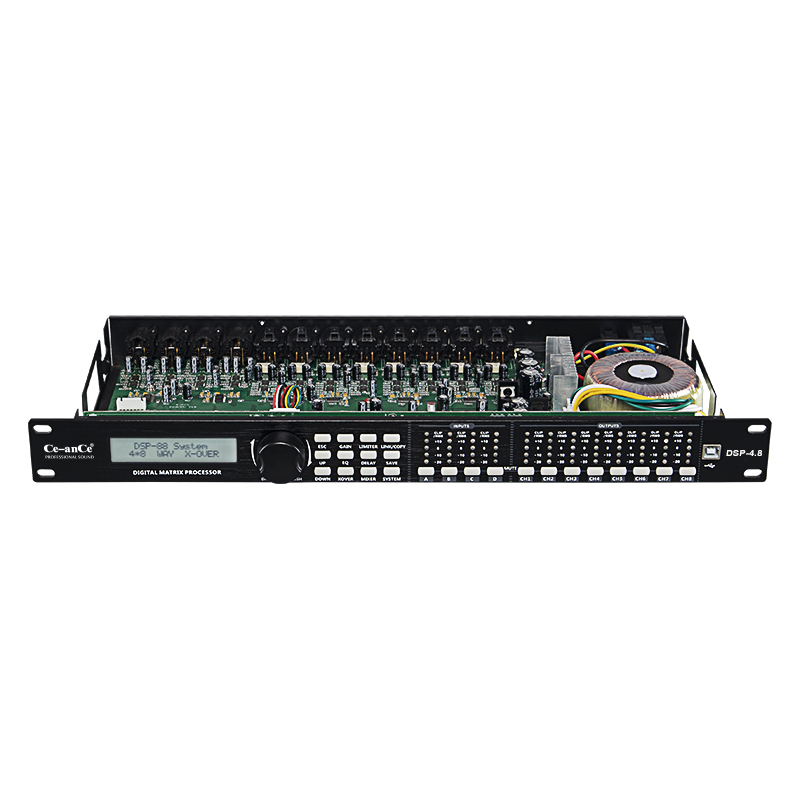
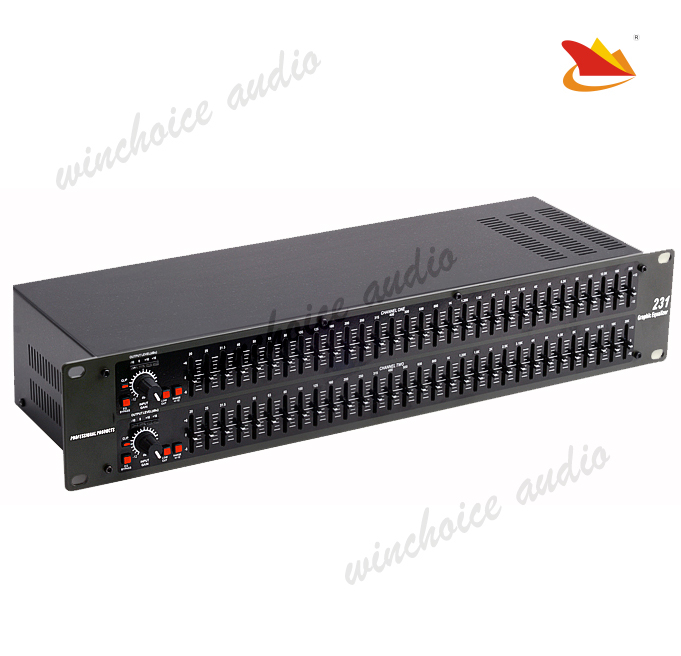
- Digital Signal Processing (DSP): The quality of the AD/DA converters and the DSP architecture (e.g., 24-bit/96kHz processing) separates professional gear from prosumer electronics. Ensure the factory has the firmware engineering capability to customize DSP presets if you are utilizing OEM/ODM services.
| Enclosure Material | Acoustic Properties | Durability | Typical Application |
|---|---|---|---|
| Birch Plywood (15-18mm) | Excellent damping, minimal resonance | High (road-ready) | Touring PA, Line Arrays |
| Injection-Molded ABS | Moderate, requires internal bracing | High (impact resistant) | Portable PA, Install Audio |
| MDF (Medium Density Fiberboard) | Good damping | Low (vulnerable to moisture) | Budget Studio Monitors |
Manufacturing Tolerances and Quality Control
The manufacturing hub for professional audio in China is heavily concentrated in Guangdong province, particularly in cities like Enping, Guangzhou, and Shenzhen. While the supply chain is dense, factory capabilities vary wildly.
Acoustic equipment requires specialized testing environments. A critical step in vetting a factory is verifying their testing infrastructure. Do they have an on-site anechoic chamber? Do they use standard audio analyzers (like Audio Precision systems) for frequency response and total harmonic distortion (THD) testing? Conducting thorough factory audits before placing an order is non-negotiable for high-SPL (sound pressure level) equipment.
In-Line Inspection Priorities for Pro Audio
- SMT (Surface Mount Technology) inspection for DSP and amplifier PCB boards.
- Voice coil alignment and gap clearance checks on raw transducers.
- Adhesive curing times for speaker surrounds and spiders.
- Thermal stress testing (burn-in) for active amplifier modules at 80 percent load.
- Cabinet sealing and acoustic leak testing prior to final assembly.
Struggling to find audio manufacturers with genuine acoustic engineering capabilities? Let us match you with vetted, export-ready factories.
Talk to our teamCompliance, Certifications, and Market Entry
Importing professional audio equipment into Western markets triggers strict regulatory requirements. Active equipment must pass Electromagnetic Compatibility (EMC) and Low Voltage Directive (LVD) testing.
Do not accept generic factory CE or FCC certificates at face value. Components change, and a certificate from three years ago may not cover your current BOM. It is highly recommended to integrate independent compliance and testing into your sourcing timeline to ensure your specific production run meets regional standards (including RoHS for European markets and UL/ETL for North America).
Buying Mechanics: MOQs, Lead Times, and Pricing
Pricing in pro audio is volatile, driven heavily by the cost of copper (for voice coils and transformers), rare-earth metals (for magnets), and semiconductor availability (for DSPs and Class-D chips).
When negotiating, clarify whether the quoted price includes robust export packaging. Pro audio gear is heavy and sensitive to drop-shock; inadequate palletizing will result in high damage rates during transit. A rigorous pre-shipment quality control inspection should always include a drop test of the packaged unit.
Ready to scale your audio equipment purchasing? We manage the entire process from supplier negotiation to final quality inspection.
Get a free consultationFrequently Asked Questions
Securing reliable professional audio equipment at scale is less about finding the lowest unit price and more about controlling the variables in the manufacturing process. By defining strict technical tolerances upfront and verifying them through rigorous, independent inspection, buyers can build highly profitable, resilient audio brands.
Get Sourcing Help for Professional Audio Equipment
Tell us your requirements and our experts will connect you with verified manufacturers.