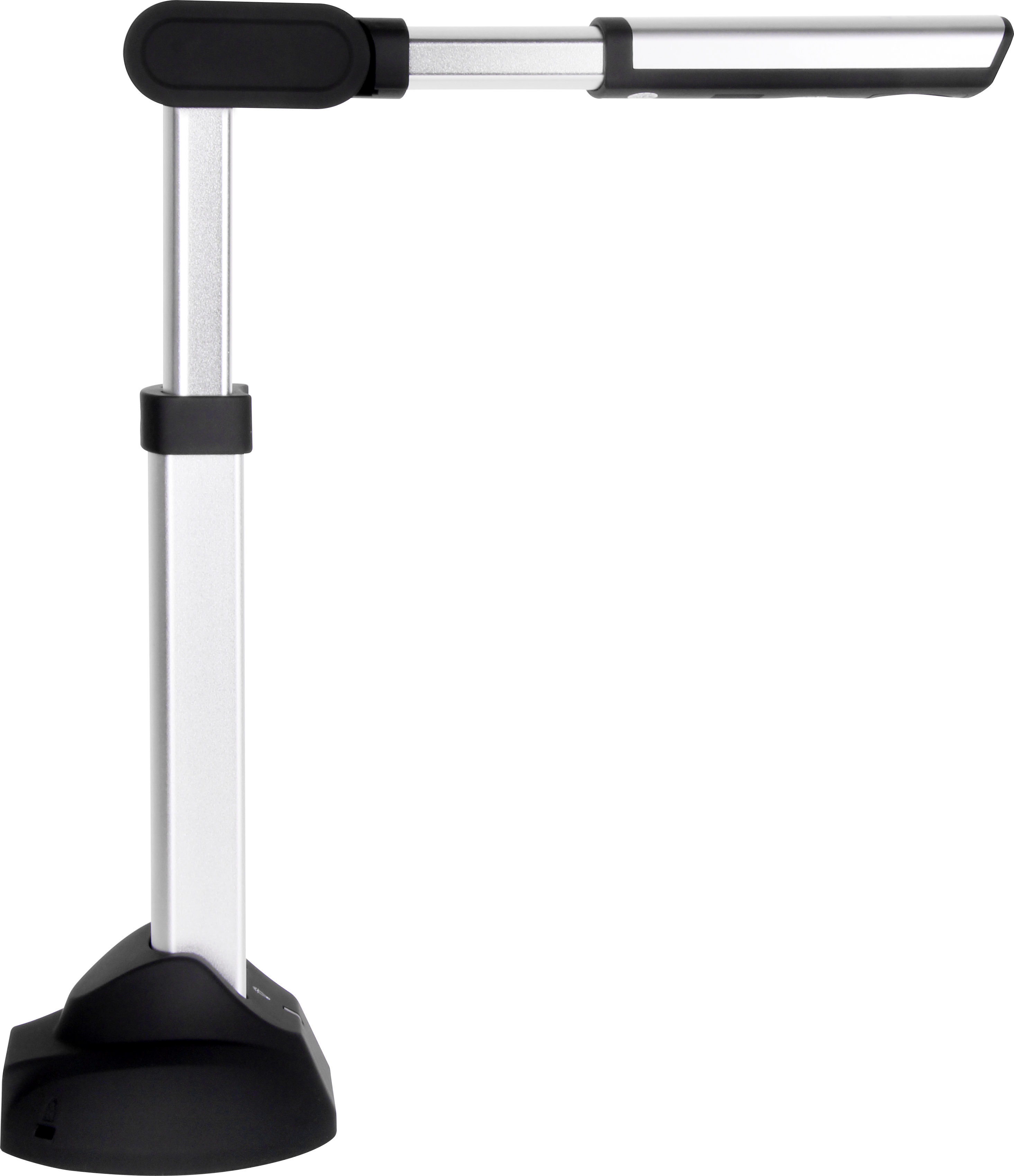
Presentation Products
Source premium Presentation Products from vetted manufacturers and wholesale suppliers across Asia. Designed for importers, distributors, and office equipment brands, our supplier network supports high-volume bulk purchasing and OEM/private-label production for commercial-grade presentation solutions.
Sourcing presentation equipment at scale requires a careful balance between material durability, structural rigidity, and strict cost controls. Whether you are importing traditional dry-erase boards, glass presentation panels, or projection screens, the core manufacturing challenges remain consistent: preventing surface degradation over time, maintaining frame alignment, and ensuring the product survives international transit without damage.
Critical Material Specifications
The longevity of a presentation board is dictated almost entirely by its surface material and core construction. Buyers must specify the exact material stack to avoid receiving lower-tier substitutes that suffer from "ghosting" (ink staining) after a few months of use.
| Surface Material | Durability against Ghosting | Magnetic Capability | Typical Application |
|---|---|---|---|
| Melamine (Resin) | Low to Medium | No | Light-use office / Home |
| Painted / Coated Steel | Medium to High | Yes | Standard corporate / Classrooms |
| Porcelain (Enamel) on Steel | Extremely High | Yes | Heavy-use education / Industrial |
| Tempered Glass | Maximum | Optional (requires steel backing) | Executive boardrooms / Premium |
Beyond the surface, the backing material provides the necessary rigidity. Standard boards typically use a corrugated cardboard, MDF (Medium-Density Fiberboard), or LDF core. For larger dimensions (over 48 inches), an MDF core backed by a galvanized steel sheet is required to prevent the board from warping under its own weight or due to humidity changes during ocean freight.
Need help verifying factory capabilities for premium surface materials?
Discuss your product specsManufacturing Tolerances and Quality Control
The manufacturing process for standard presentation boards involves laminating the surface material to the core and pressing it under high pressure. If the adhesive is applied unevenly, or if the pressing time is cut short to speed up production, the board will inevitably bubble or peel once exposed to temperature fluctuations.
When conducting Quality Control & Inspection, your inspection team must look beyond obvious cosmetic defects.
Key Inspection Points for Presentation Boards
- Surface Adhesion: Check for micro-bubbles or delamination at the edges.
- Frame Seams: Aluminum extrusion corners must meet flush with zero sharp edges; ABS plastic corner caps must fit without gaps.
- Glass Tempering: For glass boards, verify the tempering certificate and ensure edges are polished (flat or pencil edge) to prevent injury.
- Mounting Hardware: Ensure all wall anchors, brackets, and pen trays are included and match the specified weight rating.
- Packaging Drop Test: Verify ISTA 1A or 2A drop test compliance to ensure corner protectors and honeycomb cardboard prevent transit damage.
Packaging is arguably the highest-risk area for presentation products. Because boards and screens are large, flat, and often fragile, insufficient corner protection or thin carton walls will result in high defect rates upon arrival. Always specify heavy-duty corrugated cartons with reinforced corner caps and foam inserts.
Customization and OEM Production
Many importers choose to differentiate their catalog through OEM/ODM Services. Factories can easily customize aluminum frame profiles, powder-coat colors, and ABS corner designs to match your brand identity. For specialized markets, you can also specify custom surface printing—such as grid lines for engineering firms, music staves for education, or custom kanban layouts for manufacturing floors.
When setting up an OEM run, ensure the factory uses a silk-screen or UV printing process that places the ink under the final clear coat (or baked into the enamel) so it does not wear off with repeated erasing.
MOQs, Lead Times, and Pricing Dynamics
Presentation products are high-volume, low-density goods. Shipping them efficiently means optimizing your order quantities to fill 20ft or 40ft High Cube containers. Shipping less than a container load (LCL) dramatically increases the risk of damage and drives up per-unit freight costs.
Pricing is heavily tied to the raw material costs of steel, aluminum, and glass. When negotiating, be wary of quotes that are significantly lower than the market average; this usually indicates the supplier is thinning the aluminum frame extrusion (under 1.0mm thickness) or using a lower-density core material, which compromises the product's structural integrity. Conducting thorough Factory Audits is essential to verify that the manufacturer has the appropriate lamination presses and metal-working equipment in-house, rather than outsourcing to sub-tier workshops.
Ready to optimize your landed costs and secure reliable production capacity?
Speak to a sourcing expertFrequently Asked Questions
Successfully sourcing presentation products comes down to controlling the hidden details—the density of the core, the thickness of the aluminum, and the rigor of the packaging. By defining these specifications clearly and verifying them at the factory level, you protect your margins and your brand reputation.
Get Sourcing Help for Presentation Products
Tell us your requirements and our experts will connect you with verified manufacturers.