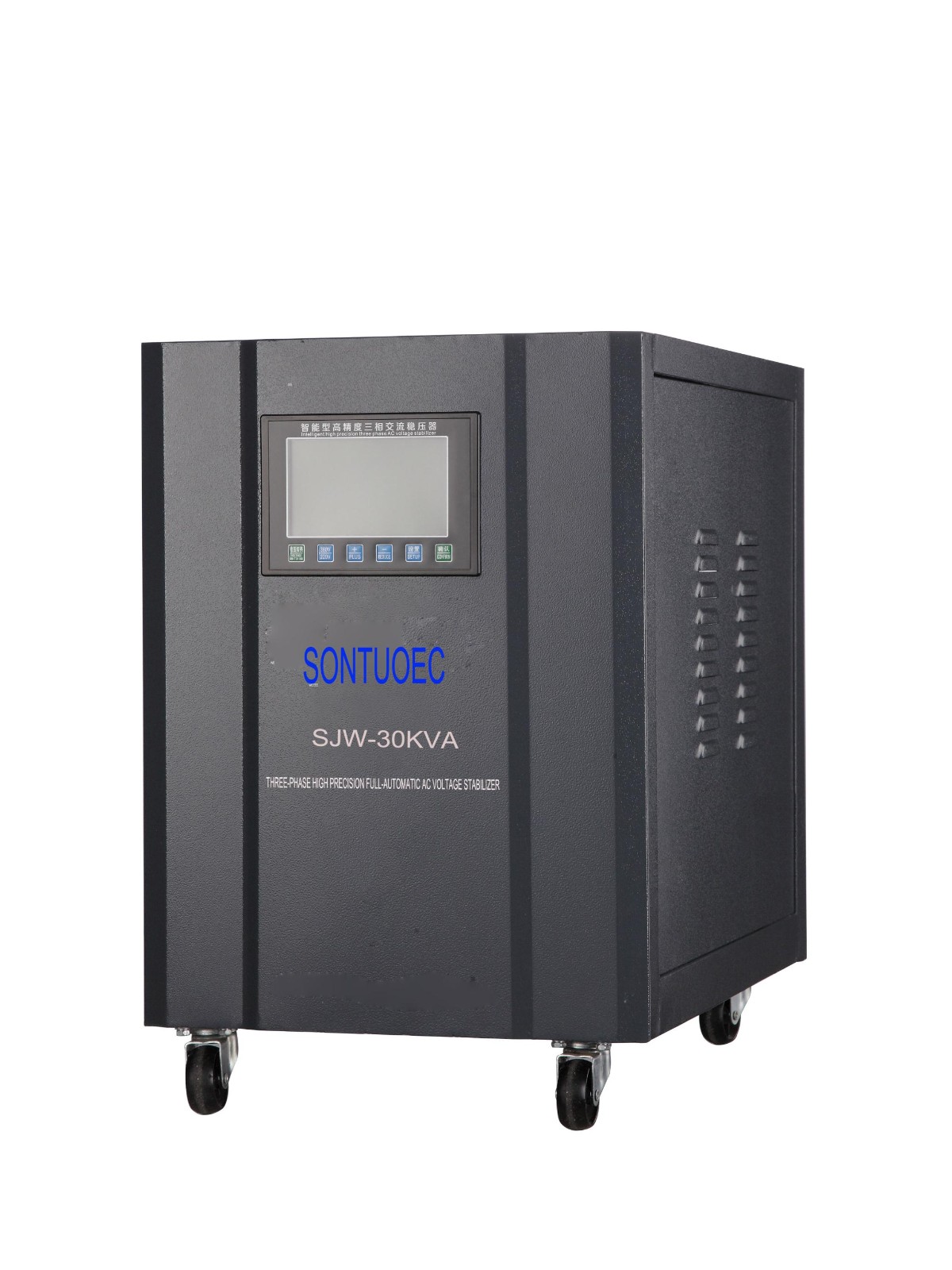
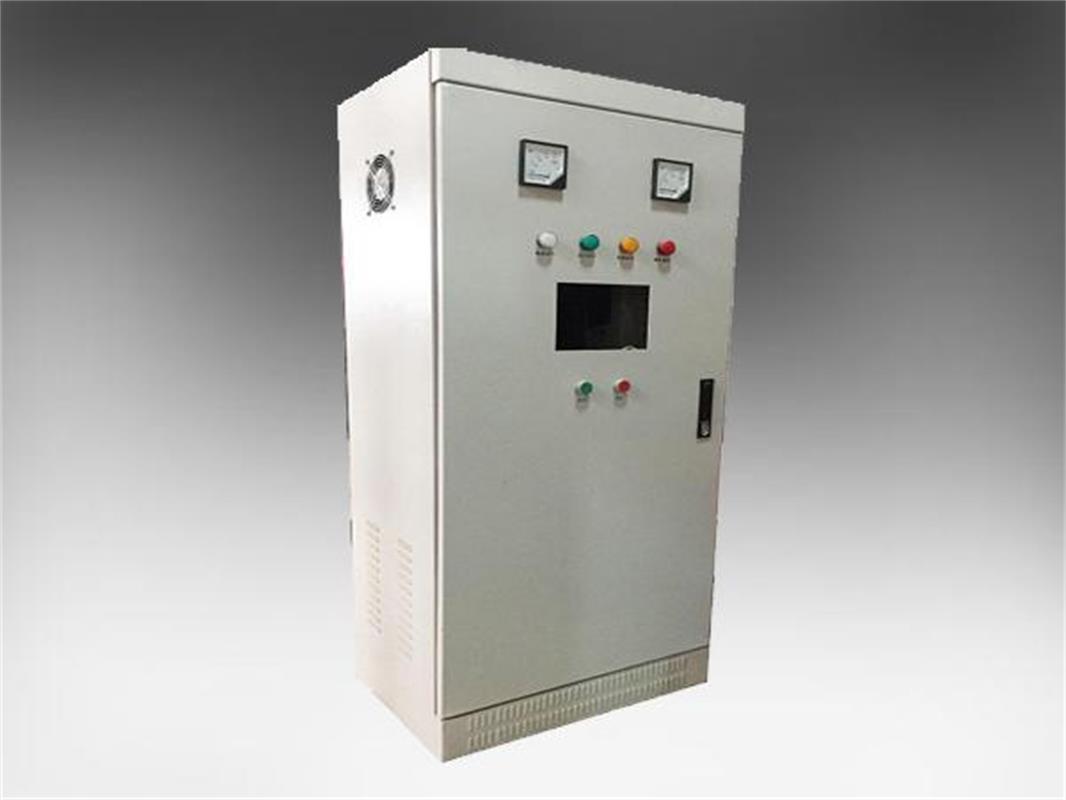
Power Generation
Source advanced power generation controllers from vetted suppliers and manufacturers across China and Asia. Designed for importers, distributors, and industrial brands seeking reliable OEM production, our wholesale solutions ensure you secure high-performance modules for gen-set synchronization, load sharing, and continuous power management.
Sourcing power generation controllers for continuous, base-load, or peak-shaving applications requires strict attention to electronic reliability and firmware stability. Unlike basic standby transfer switches, these units manage complex active and reactive load sharing, dead-bus synchronization, and multi-engine paralleling. Securing reliable manufacturing partners ensures your controllers can withstand the extreme vibration, thermal stress, and electrical noise inherent in industrial power generation environments.
Critical Specifications for Paralleling and Synchronization
When engaging manufacturers, your specification sheet must go beyond basic voltage and frequency monitoring. Power generation controllers act as the brain of complex multi-gen-set systems, requiring precise communication and measurement capabilities.
Key Technical Requirements to Specify
- Communication Protocols: Ensure native support for CAN bus (SAE J1939) for engine ECU interfacing, and Modbus RTU/TCP for SCADA integration.
- Measurement Accuracy: Specify true RMS voltage and current measurement with an accuracy class of 0.5 or better to ensure precise load sharing.
- Harmonic Monitoring: Controllers should measure Total Harmonic Distortion (THD) up to at least the 31st harmonic to protect alternators from non-linear loads.
- PLC Functionality: Built-in programmable logic allows for custom control sequences without requiring external PLC hardware.
- Environmental Protection: Specify IP65 or higher for the front panel fascia to resist dust and moisture ingress in harsh environments.
Need help evaluating supplier engineering capabilities? We match you with specialized electronics manufacturers capable of producing complex, industrial-grade power generation controllers.
Talk to our teamManufacturing Quality and Component Selection
The durability of a generator controller is won or lost on the Printed Circuit Board Assembly (PCBA) line. Because these units are mounted directly on or near heavy diesel or gas engines, they face constant low-frequency vibration and high operating temperatures.
When evaluating a supplier's production facility, pay close attention to their surface-mount technology (SMT) lines and component sourcing. Relying on comprehensive Factory Audits is critical to verify that the manufacturer uses genuine, traceable microprocessors and relays.
Furthermore, conformal coating on the PCB is non-negotiable. This protective chemical layer prevents short circuits caused by humidity, salt spray, and conductive dust. Factories should have automated conformal coating lines with UV inspection to ensure even, complete coverage.
Rigorous Testing and Compliance Standards
End-of-line testing separates tier-one manufacturers from lower-quality assemblers. A reliable supplier will utilize Hardware-in-the-Loop (HIL) simulators to test the controller's firmware against simulated engine and alternator behaviors before shipment.
To ensure long-term reliability, implement strict Quality Control & Inspection protocols that include:
- Burn-in Testing: Running units at elevated temperatures (typically 60 to 70 degrees Celsius) under load for 48 to 72 hours to catch early component failure.
- Vibration Testing: Subjecting sample units to sweep sine and random vibration tests (e.g., IEC 60068-2-6) to ensure solder joints and relays remain intact.
- EMC/EMI Testing: Verifying immunity to electromagnetic interference, which is critical in power generation environments with massive electrical switching.
If you are importing into regulated markets, ensure your manufacturing partner can support you through Compliance & Testing for standards such as UL 6200, CE (EN 61000), and NFPA 110.
Typical Pricing, MOQs, and Lead Times
Procurement terms for power generation controllers vary significantly based on whether you are buying standard off-the-shelf models or developing custom OEM/ODM solutions with proprietary firmware and branded HMI panels.
Pricing is heavily influenced by the complexity of the integrated display (e.g., basic LCD vs. high-resolution TFT touchscreen) and the processing power required for advanced paralleling algorithms.
Optimize your procurement strategy. We help you negotiate favorable terms, manage MOQs, and secure reliable pricing from top-tier controller manufacturers.
Get a free consultationFrequently Asked Questions
The reliability of a multi-megawatt power generation system rests entirely on the quality and stability of its controller. By focusing on stringent component traceability, demanding automated PCBA processes, and enforcing rigorous environmental testing, you can source controllers that protect both the equipment and your brand's reputation in the field.
Get Sourcing Help for Power Generation
Tell us your requirements and our experts will connect you with verified manufacturers.