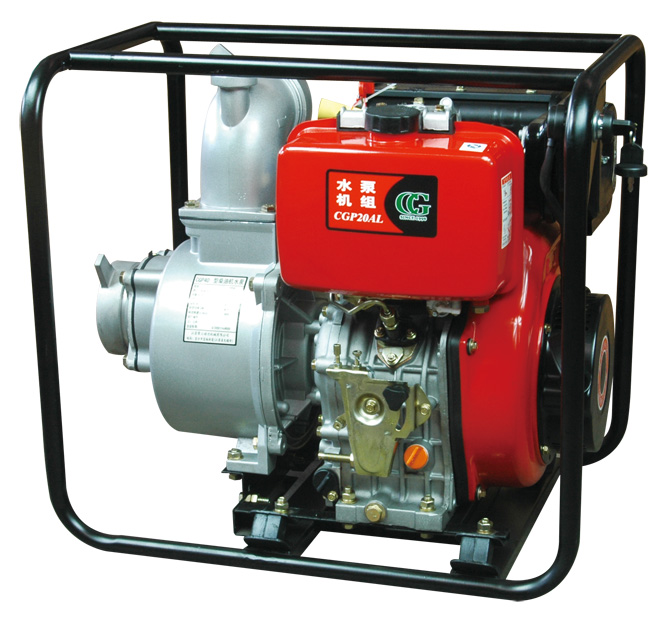
Power Generation
Source commercial and industrial power generation equipment directly from vetted manufacturers and wholesale suppliers. Designed for importers, distributors, and brands requiring reliable OEM production, our network delivers high-capacity generators and power systems built to strict international compliance standards.
Sourcing power generation equipment at scale requires strict attention to continuous output ratings, fuel efficiency, and alternator winding quality. The primary challenge for volume buyers lies in matching the engine and alternator specifications to the target market's environmental and electrical standards, while ensuring the factory uses genuine components rather than unverified domestic alternatives.
Defining Core Specifications
When negotiating with power generation manufacturers, generic capacity claims are a major risk. A unit marketed as "100kVA" can perform vastly differently depending on how that rating is calculated and the quality of the internal components.
Critical Specifications to Define Upfront
- Duty Cycle Ratings: Explicitly define whether you need Prime Power (PRP) for continuous operation or Emergency Standby Power (ESP) for backup use.
- Alternator Winding Material: Demand 100 percent copper windings with Class H insulation. Copper-clad aluminum (CCA) is common in budget builds and will fail under sustained heavy loads.
- Engine Sourcing: Specify the exact engine brand and series. International brands (Cummins, Perkins) carry a premium but offer global warranty support, whereas domestic Chinese engines (Weichai, Yuchai) offer excellent value for price-sensitive markets.
- Emissions Compliance: Ensure the engine meets your local regulatory standards (e.g., EPA Tier 4 Final, Euro V) and demand the corresponding certification documents.
Ensure your power generation equipment meets strict international standards before it leaves the factory.
Talk to our teamComponent Quality and Factory Verification
The reliability of a power generation system is heavily dependent on the integration of its sub-components. Factories often assemble units using parts from dozens of sub-suppliers. Verifying the legitimacy of these components is a critical step in product sourcing.
| Component | Standard Specification | Premium/Industrial Specification |
|---|---|---|
| Alternator | Copy/Unbranded Stamford | Genuine Stamford / Leroy-Somer |
| Control Panel | Basic local digital controller | Deep Sea Electronics (DSE) or ComAp |
| Canopy | Standard 1.5mm cold-rolled steel | 2mm+ galvanized steel with high-density acoustic foam |
| Breakers | Generic domestic brands | ABB, Schneider, or Delixi |
To prevent component substitution during production, professional buyers rely on strict quality control protocols. This includes mandatory load bank testing at the factory—running the generator at 25, 50, 75, 100, and 110 percent loads to verify output stability, thermal performance, and fuel consumption before the unit is crated for export. Conducting thorough factory audits prior to placing an order is also essential to confirm the supplier has the necessary testing infrastructure.
Pricing, MOQs, and Production Lead Times
The cost of power generation equipment is highly volatile, driven by the global prices of copper, steel, and the specific engine/alternator pairing chosen.
When planning your procurement cycle, factor in the time required for custom canopy fabrication and control panel programming, especially if you are utilizing OEM/ODM services to match the equipment to your brand's specific colorways and technical requirements. Silent canopies and trailer-mounted configurations typically add 10 to 20 percent to the base cost and require additional structural engineering verification.
Negotiating bulk pricing and custom specifications for power generation equipment requires technical leverage.
Get a free consultationFrequently Asked Questions
Successful procurement in the power generation category requires looking past the top-line kVA rating and scrutinizing the bill of materials. By defining strict component standards and enforcing rigorous load bank testing at the factory level, you protect your margins and ensure the long-term reliability of your equipment.
Get Sourcing Help for Power Generation
Tell us your requirements and our experts will connect you with verified manufacturers.