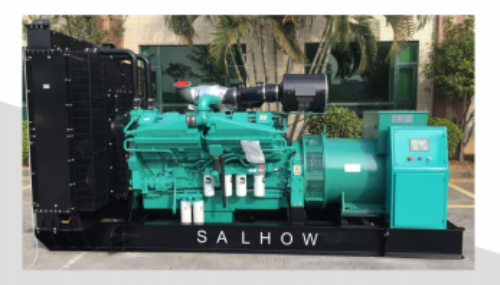
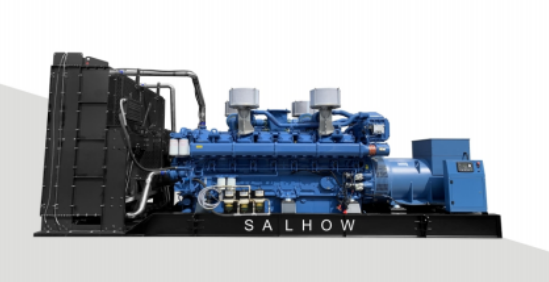
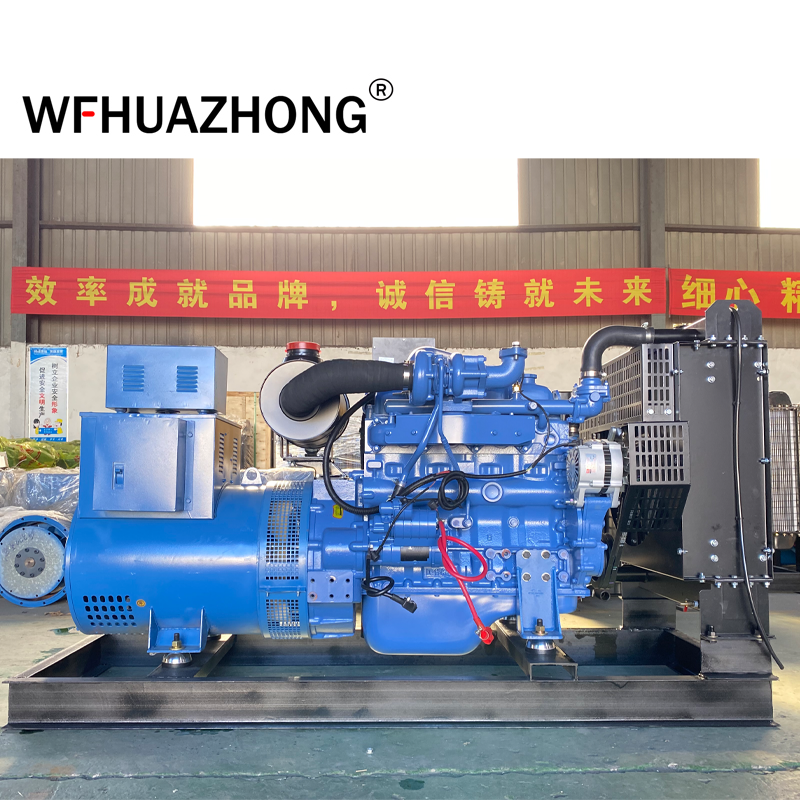
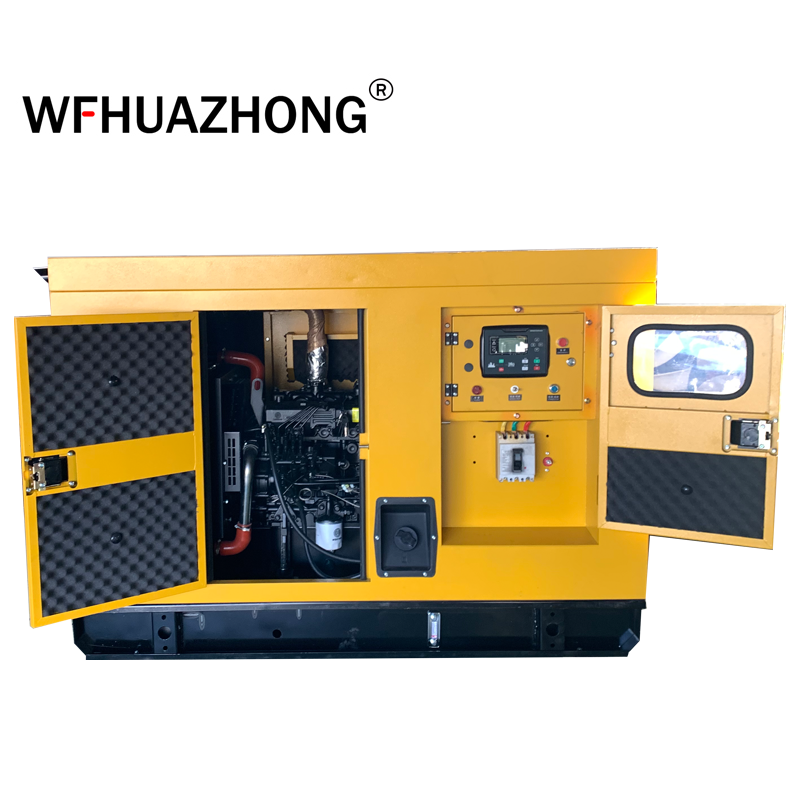
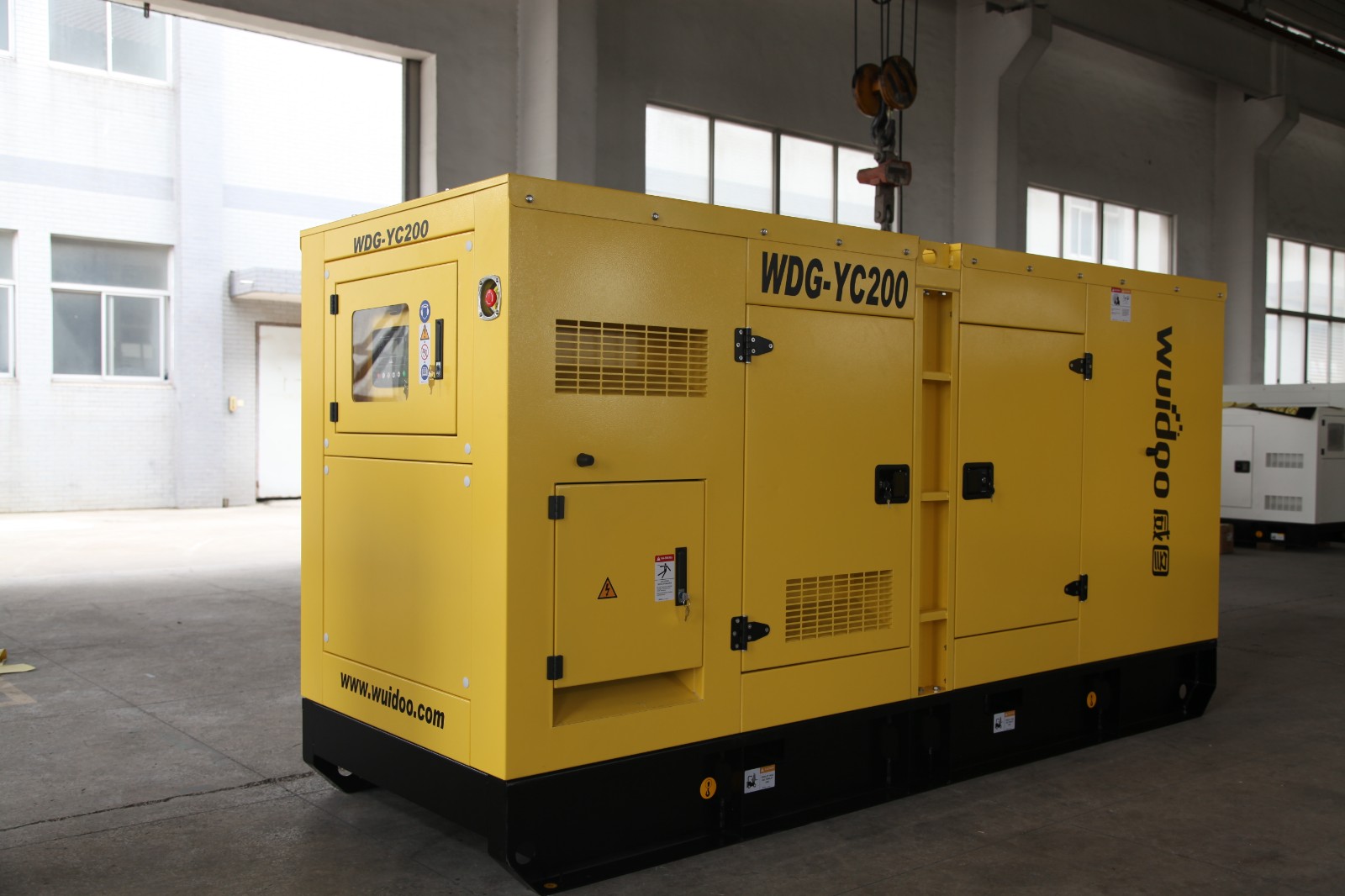
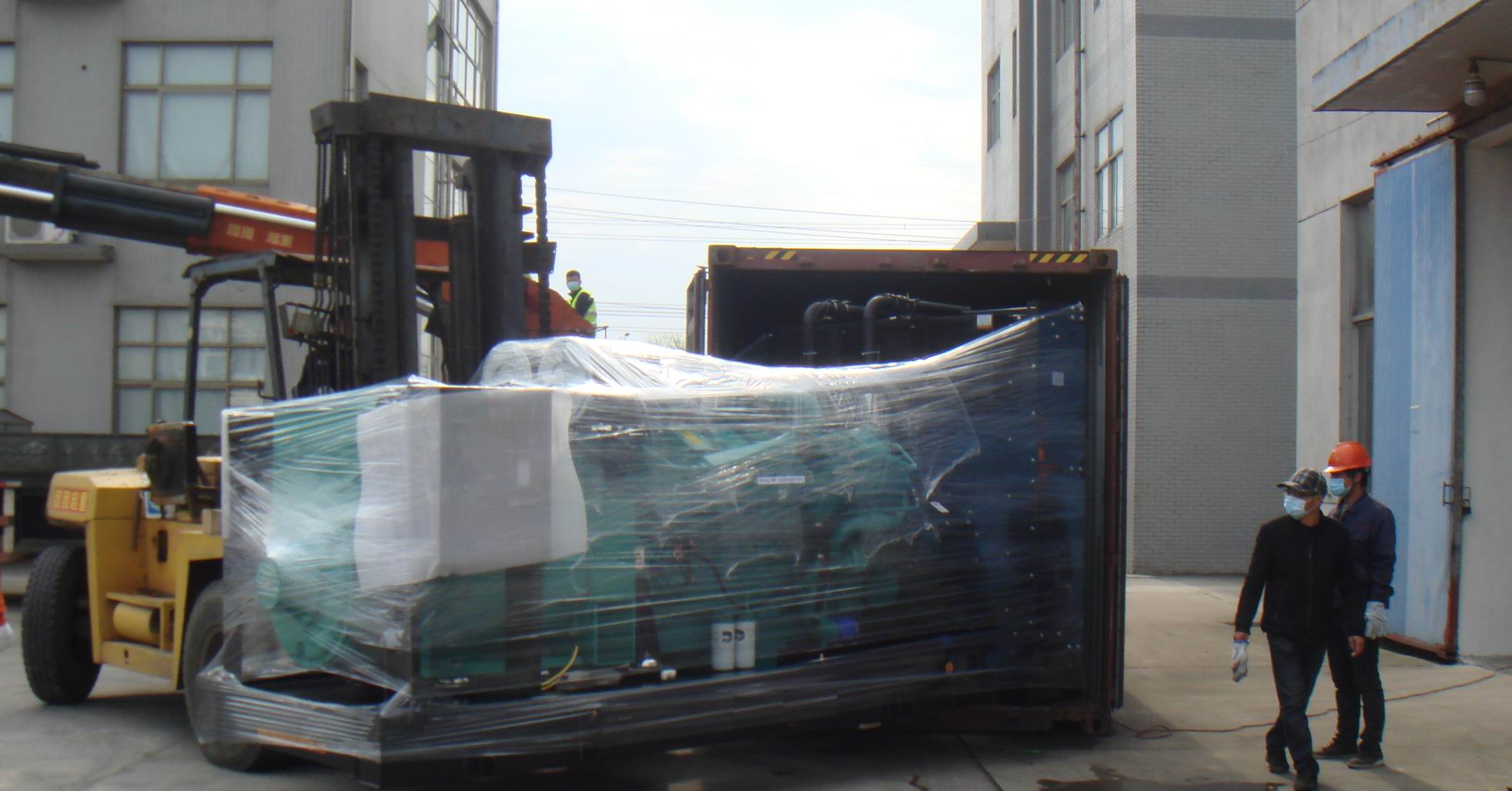
Power-Generating Sets and Accessories
Source commercial and industrial Power-Generating Sets and Accessories from vetted suppliers and manufacturers. Designed for importers, distributors, and procurement managers sourcing in volume, this catalog connects you with reliable factories for bulk orders, OEM/ODM private-label production, and custom power solutions.
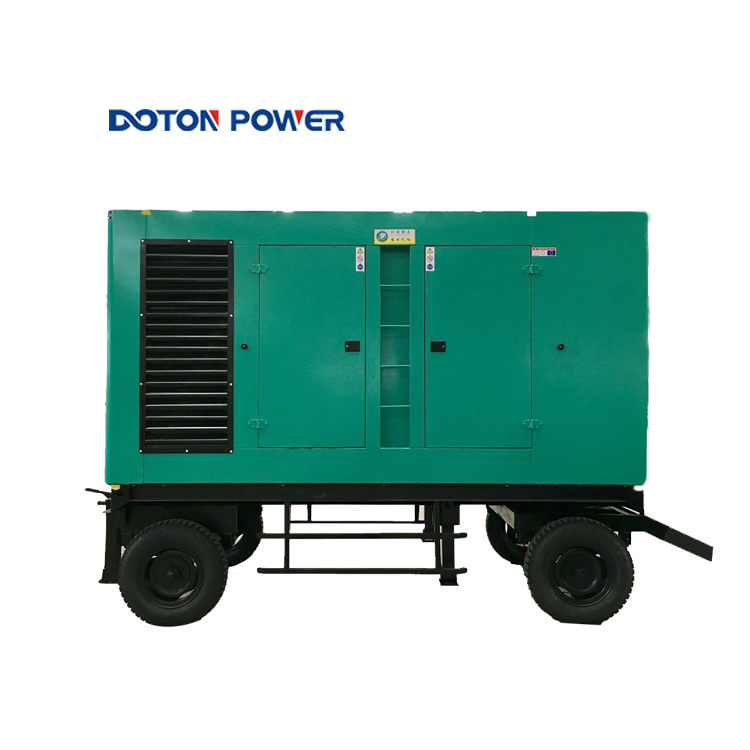
Sourcing power-generating sets at scale requires balancing upfront capital expenditure with long-term reliability and compliance. Whether you are procuring heavy-duty standby diesel generators for industrial facilities, continuous prime power units for remote sites, or portable sets for wholesale distribution, success depends on matching exact load profiles with verified factory assembly capabilities.
Critical Specifications for Bulk Procurement
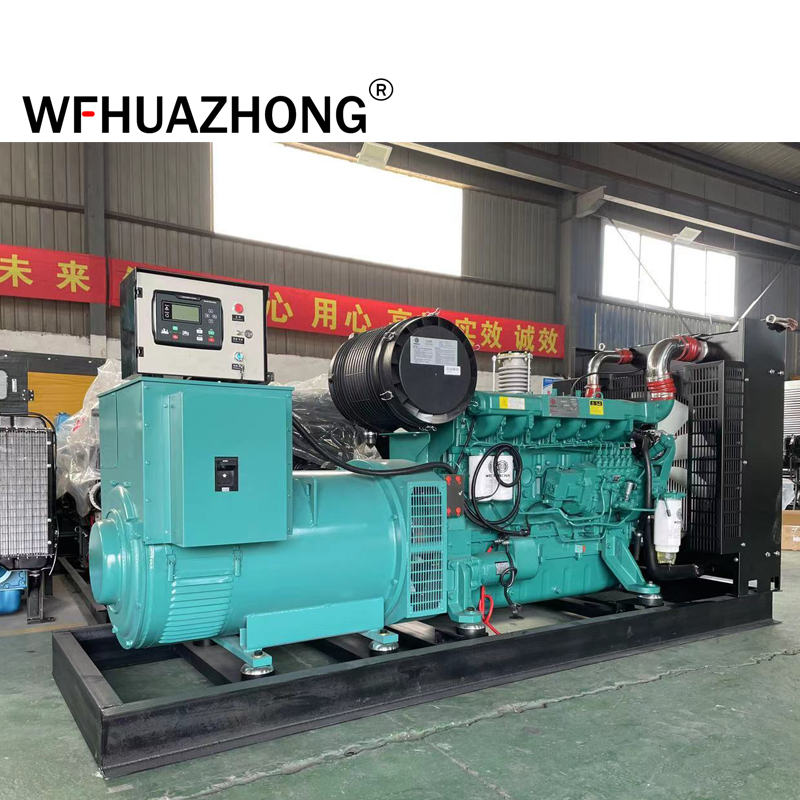
When negotiating with manufacturers, vague specifications lead to inconsistent product quality. The core of any genset is the engine and the alternator, but the surrounding components dictate operational stability. You must define the exact operational rating required: Prime Power (PRP) for continuous loads, or Emergency Standby Power (ESP) for variable backup loads.
| Engine Sourcing Strategy | Typical Brands | Cost Profile | Target Application |
|---|---|---|---|
| Tier 1 Global (Imported/JV) | Cummins, Perkins, Volvo | High Premium | Critical standby, strict emission zones |
| Tier 2 Domestic (China) | Weichai, Yuchai, FAW | Medium | Standard prime power, emerging markets |
| Tier 3 Budget Domestic | Various local factories | Low | Light-duty, price-sensitive wholesale |
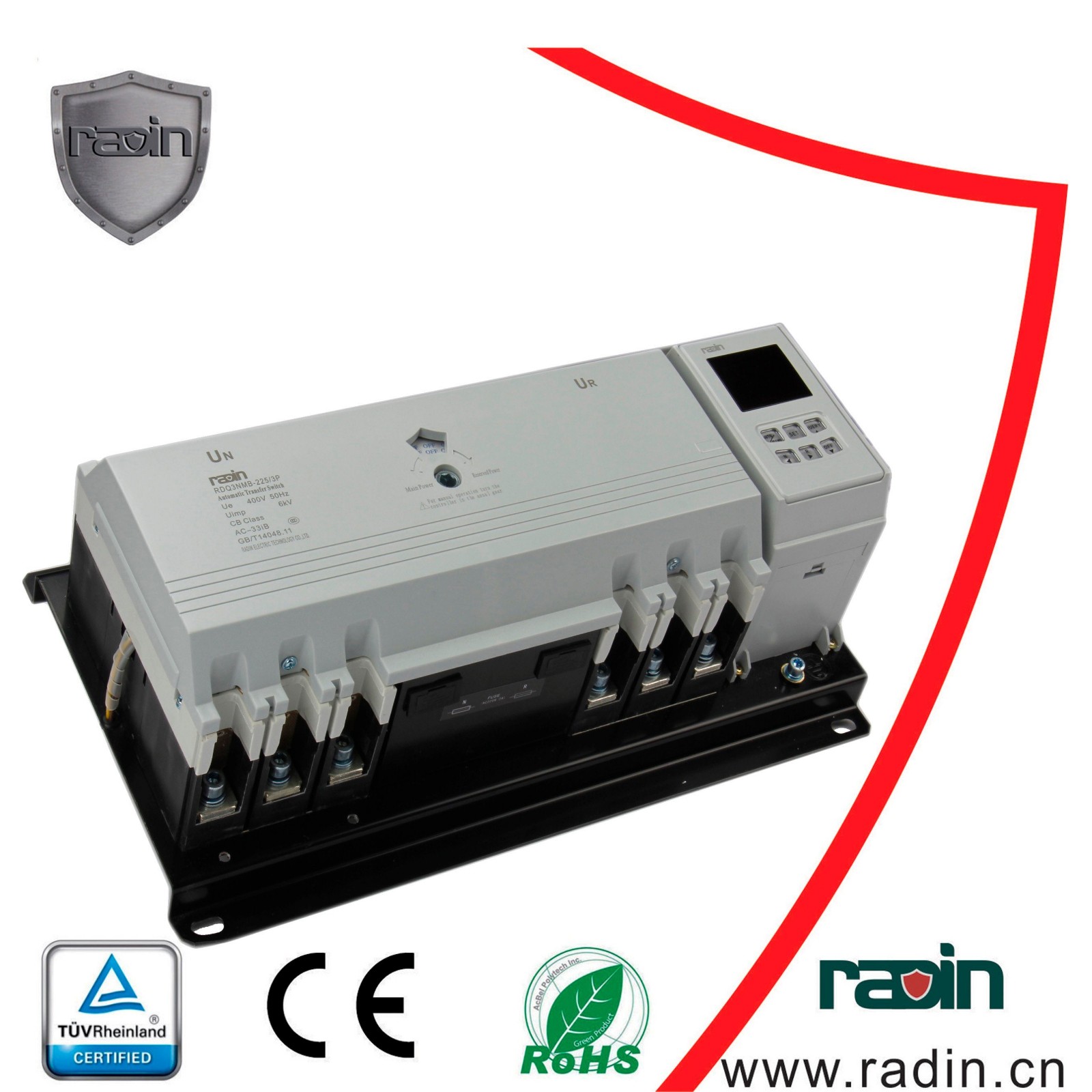
Beyond the engine block, specify the Automatic Voltage Regulator (AVR) model, the controller brand (e.g., Deep Sea, ComAp, or SmartGen), and the Automatic Transfer Switch (ATS) rating.
Need help navigating engine joint ventures and domestic alternatives? We can help you identify the right factory for your technical requirements.
Talk to our teamManufacturing Quality & Factory Vetting
The barrier to entry for assembling power-generating sets is relatively low, which means the market is saturated with integrators of varying quality. A factory might purchase a genuine engine but pair it with a substandard alternator or cut corners on the enclosure fabrication.
Conducting thorough Factory Audits is essential before placing volume orders. You need to assess their sheet metal processing for canopies, their painting processes (powder coating vs. cheap wet paint), and their testing infrastructure.
Key Assembly & Fabrication Checks
- Alternator wiring: Verify 100 percent copper winding; reject copper-clad aluminum (CCA).
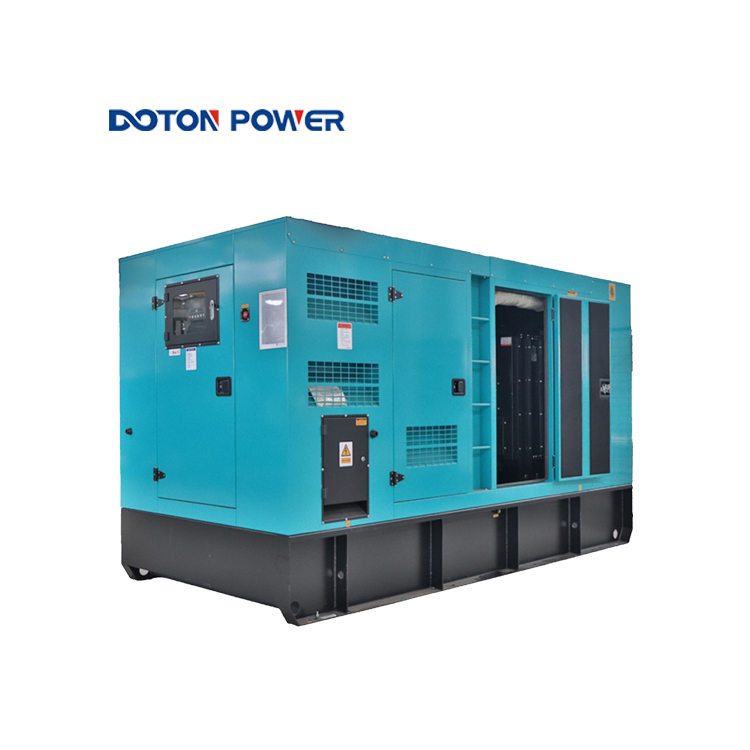
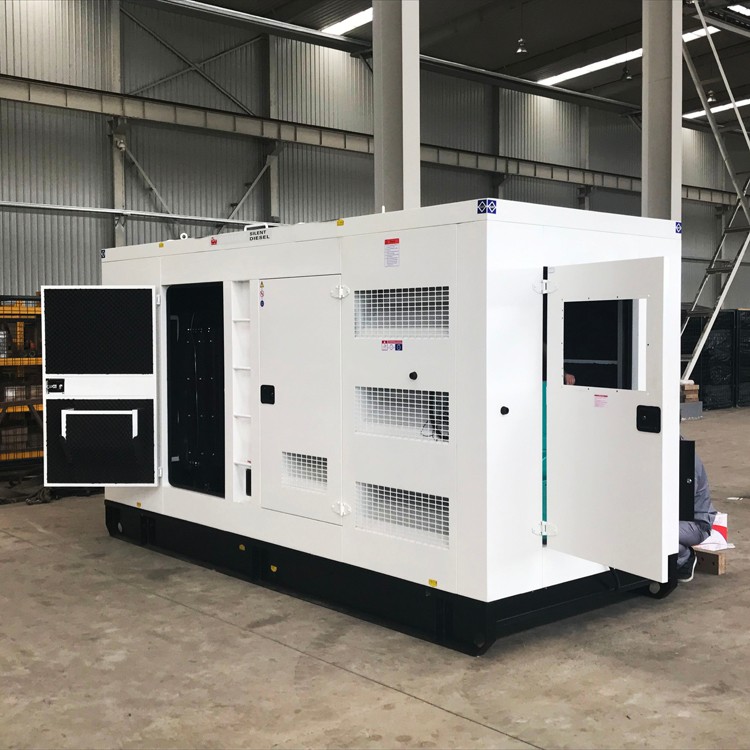
- Canopy construction: Ensure cold-rolled steel thickness is at least 2mm for industrial units.
- Soundproofing: Check for high-density fire-retardant acoustic foam, not standard sponge.
- Vibration isolation: Confirm heavy-duty anti-vibration mounts between the engine/alternator and base frame.
- Base fuel tank: Pressure-tested continuous welds to prevent long-term micro-leaks.
Testing and Compliance Standards
A generator set must perform exactly as rated under stress. Relying on a manufacturer's spec sheet without independent verification is a massive risk. Pre-shipment Quality Control & Inspection must include comprehensive load bank testing.
Visual & Component Verification
Cross-check engine serial numbers, alternator models, and controller configurations against the agreed BOM.
Stepped Load Testing
Run the unit at 0 percent, 25 percent, 50 percent, 75 percent, and 100 percent of rated load to monitor voltage stability, frequency, and oil pressure.
Overload Testing
Run at 110 percent load for one hour to verify the engine's thermal management and the alternator's insulation class limits.
Safety Shutdowns
Simulate low oil pressure and high coolant temperature to ensure the controller initiates an immediate emergency stop.
Depending on your destination market, Compliance & Testing for emissions (such as EPA Tier 3/4 or EU Stage V) and noise regulations (CE directives) must be validated through recognized third-party laboratories.
Pricing, MOQs, and Lead Times
Pricing in the genset market fluctuates with global steel prices and engine manufacturer lead times. Committing to OEM/ODM Services for private-label units allows you to customize the canopy design, branding, and controller interfaces, but requires careful supply chain planning.
Payment terms typically follow a 30 percent T/T deposit and 70 percent balance before shipment, though custom configurations or Tier 1 engine orders may require higher deposits due to the factory's upfront capital outlay.
Managing lead times across multiple component suppliers can delay your shipments. Let us coordinate your production schedules and factory negotiations.
Get a free consultationFrequently Asked Questions
Procuring power-generating sets is ultimately an exercise in risk management. The upfront cost savings of a budget supplier evaporate immediately if a generator fails during a critical outage or gets held up at customs for failing to meet emission standards. Structuring your sourcing process around strict component verification and rigorous load-bank testing ensures your equipment performs exactly when it is needed most.
Get Sourcing Help for Power-Generating Sets and Accessories
Tell us your requirements and our experts will connect you with verified manufacturers.