Power Cutters
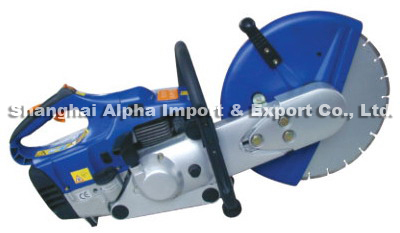
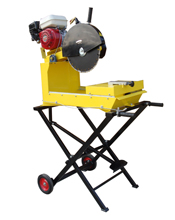
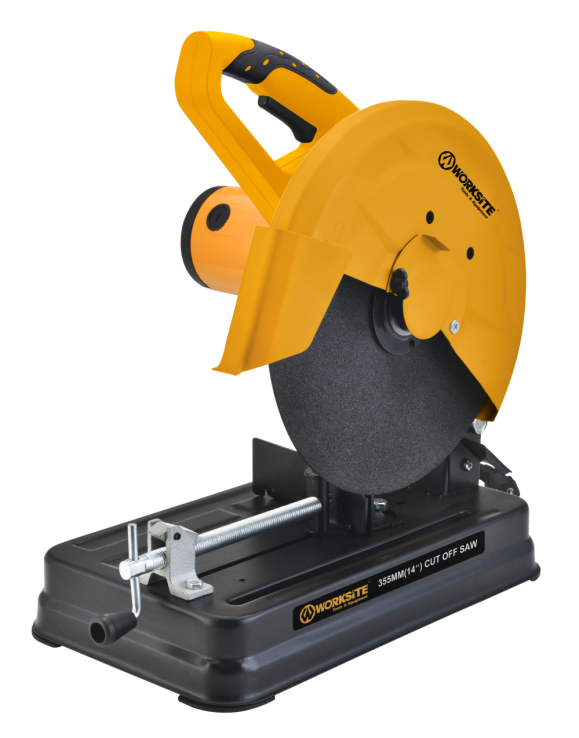
Source professional-grade Power Cutters directly from vetted manufacturers and suppliers. This category serves importers, wholesalers, hardware distributors, and brands seeking reliable OEM or private-label production. Compare bulk pricing and manufacturing capabilities to secure high-performance tools for your market.
Sourcing power cutters at scale requires striking a precise balance between raw motor performance, thermal endurance, and strict safety compliance. Whether you are importing heavy-duty corded cut-off saws or compact cordless rotary cutters, factory selection directly dictates your field failure rate. The primary sourcing challenge lies in verifying internal component quality—specifically motor windings, gear metallurgy, and housing durability—which are invisible from the outside but critical to the tool's lifespan and user safety.
Defining Specifications for OEM & Private Label Production
When partnering with a factory for OEM/ODM Services, generic catalog specifications are insufficient. Professional buyers must define the internal architecture of the tool to prevent unauthorized cost-cutting during production.
| Component | Standard Consumer Grade | Professional/Industrial Grade |
|---|---|---|
| Motor Winding | Copper-clad aluminum (CCA) | 100% pure copper wire |
| Motor Type | Brushed (standard carbon) | Brushless (BLDC) with smart controller |
| Gear Metallurgy | Powder metallurgy | Machined hardened steel |
| Housing Material | Standard ABS plastic | PA-6 (Nylon) with 30% Glass Fiber (GF30) |
For cordless models, battery cell consistency and BMS (Battery Management System) design are just as critical as the tool itself. Ensure your supplier specifies the exact cell brand and discharge rate (typically 10C to 15C for high-draw cutters).
Developing a custom power tool line requires deep technical vetting. Let us help you identify factories with proven R&D capabilities and robust quality management systems.
Talk to our teamManufacturing Vulnerabilities and Quality Control
The power tool manufacturing hub in China is heavily concentrated in Jiangsu (Nantong, Qidong) and Zhejiang (Yongkang, Jinhua). While these regions offer immense supply chain efficiency, quality varies drastically from tier-one automated facilities to rudimentary assembly workshops.
Conducting thorough Factory Audits is non-negotiable. You must verify that the supplier winds their own motors or sources them from reputable tier-one sub-suppliers, rather than buying off-the-shelf components from the spot market.
Critical Pre-Shipment Inspection Points for Power Cutters
- Hipot (Dielectric Withstand) Testing: Essential for corded tools to ensure electrical insulation integrity.
- Dynamic Balancing: Commutators and rotors must be precision-balanced to prevent excessive vibration and premature bearing failure.
- Thermal Rise Testing: Running the cutter under maximum load to ensure operating temperatures remain within safe limits.
- Drop and Impact Testing: Verifying the integrity of PA6-GF30 housings under job-site conditions.
Implementing stringent Quality Control & Inspection protocols before shipment is the only way to catch assembly inconsistencies, such as pinched wires, poorly seated bearings, or inadequate grease in the gear housing.
Compliance and Market Certifications
Power cutters are high-liability products. Importing non-compliant tools can result in customs seizures, retailer rejection, or severe liability issues. Your factory must provide valid, verifiable test reports from recognized third-party labs (like SGS, TUV, or Intertek).
- North America: UL or ETL certification is practically mandatory for B2B distribution.
- Europe: CE marking (including LVD, EMC, and Machinery Directives) and RoHS compliance. GS mark is highly recommended for the DACH region.
- Cordless Tools: Lithium-ion battery packs require UN38.3 testing for freight, alongside IEC 62133 for safety.
If a supplier claims certification but cannot produce a test report matching their exact company name and the specific model number, you will likely need independent Compliance & Testing before committing to a volume order.
Typical MOQs, Pricing, and Lead Times
Pricing in the power tool sector is highly sensitive to raw material costs (copper, steel, lithium) and the grade of internal components selected.
Suppliers offering prices significantly below market average are almost certainly substituting pure copper for CCA windings or using lower-grade bearings (e.g., carbon steel instead of chrome steel). Always calculate your landed cost based on the strict technical specifications you require, not the cheapest catalog price.
Navigating MOQs, component pricing, and compliance for power tools can be complex. Partner with us to streamline your sourcing and secure reliable production.
Get a free consultationBuyer FAQ
Securing a reliable supply chain for power cutters is an exercise in risk mitigation. Success belongs to buyers who look past the external casing, define their internal specifications rigidly, and verify production quality on the factory floor.
Get Sourcing Help for Power Cutters
Tell us your requirements and our experts will connect you with verified manufacturers.