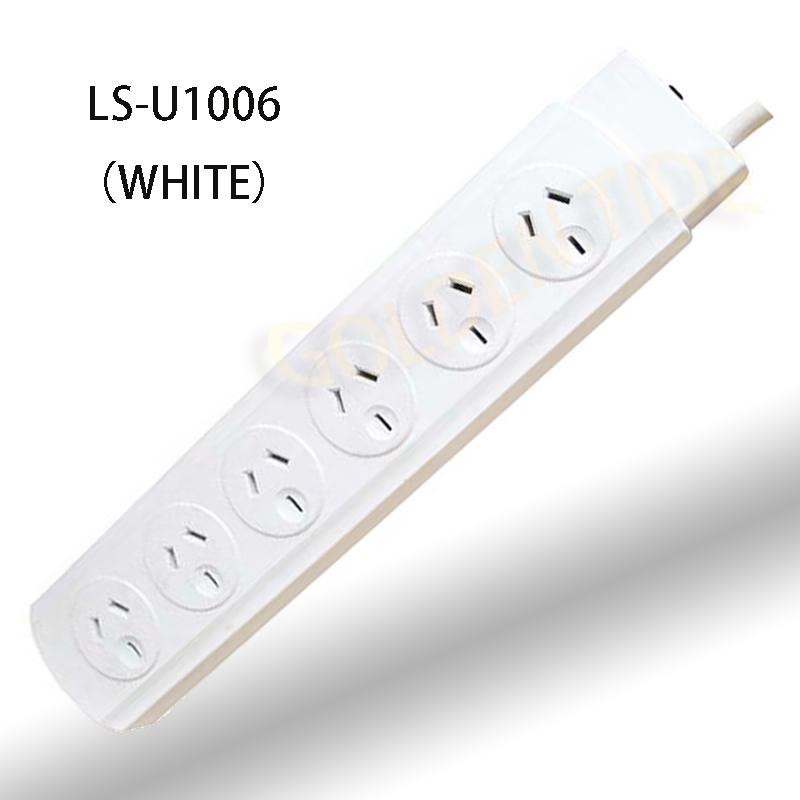
Power Accessories
Source high-quality power accessories in bulk directly from vetted manufacturers and suppliers. Designed for importers, electrical distributors, and brands requiring reliable OEM and private-label production, this selection ensures strict compliance with global electrical safety standards, consistent manufacturing tolerances, and scalable volume pricing.
Sourcing power accessories—whether terminal blocks, specialized connectors, mounting hardware, or adapter components—requires strict attention to material integrity and electrical safety. Because these components sit within larger power supply systems, a single point of failure can lead to equipment damage, compliance failures, or safety hazards. The primary sourcing challenge is ensuring that the factory maintains consistent material specifications batch after batch, resisting the urge to substitute cheaper alloys or lower-grade plastics once the initial samples are approved.
Critical Specifications and Material Standards
The physical and electrical properties of power accessories dictate their performance and safety. When negotiating with suppliers, you must specify exact material grades rather than accepting generic descriptions.
Conductor and Contact Materials
For components carrying current, material purity is non-negotiable. Pure copper or phosphor bronze should be standard for critical contacts. A common issue in lower-tier manufacturing is the unauthorized substitution of Copper-Clad Aluminum (CCA) or brass with low copper content, which increases electrical resistance and heat generation.
| Material Type | Conductivity | Durability | Typical Application |
|---|---|---|---|
| Oxygen-Free Copper (OFC) | Optimal | Excellent | High-load terminals & premium contacts |
| Phosphor Bronze | Good | Superior | Spring contacts & connectors requiring high mating cycles |
| Standard Brass | Moderate | Good | General purpose mounting & low-load pins |
| Copper-Clad Aluminum (CCA) | Poor | Low | Avoid for critical power applications |
Housing and Insulation Plastics
The polymer used for housings, brackets, and connector shells must withstand operational heat and environmental stress. Specify the exact UL 94 flammability rating required for your market (typically V-0 for power applications). Polycarbonate (PC), Nylon (PA66), and PBT are common, but recycled regrind plastics are often mixed in by cost-cutting factories, which degrades structural integrity and thermal resistance.
Need to secure reliable manufacturers for your power components? We handle the supplier vetting and material verification so you can buy with confidence.
Talk to our sourcing teamManufacturing Tolerances and Quality Control
The reliability of a power accessory is determined on the factory floor. Injection molding precision and automated assembly are key indicators of a capable manufacturer. Poorly maintained molds lead to flash (excess plastic) that can interfere with mating cycles, while inconsistent stamping pressure can create weak contact points.
Implementing robust Quality Control & Inspection protocols is essential. Relying solely on the factory's internal QC often results in biased reporting. Independent verification should focus on both physical and electrical parameters.
Essential QC Checkpoints for Power Accessories
- Dimensional inspection of critical mating surfaces using digital calipers or optical comparators.
- Hi-Pot (High Potential) testing to verify dielectric withstand voltage and insulation integrity.
- Insertion and extraction force testing for connectors to ensure consistent mating cycles.
- Visual inspection of plastic housings for short shots, flash, or sink marks.
- Verification of contact plating thickness (e.g., gold or tin plating) using X-ray fluorescence (XRF).
Navigating Certifications and Compliance
Power accessories are heavily regulated. Entering Western markets requires strict adherence to standards like UL, CE, VDE, or RoHS. A major pitfall for importers is relying on outdated, fake, or mismatched test reports. A factory might show a valid UL certificate for a specific terminal block, but that certification does not blanket-cover their entire catalog or your custom OEM/ODM Services designs.
Always verify the certification directly with the issuing body using the factory's specific file number. If you are developing a new accessory, factor in the time and cost for independent Compliance & Testing to ensure the final production run meets your target market's regulatory requirements.
Pricing Drivers, MOQs, and Lead Times
Pricing for power accessories is highly sensitive to raw material costs, particularly the global copper index and petrochemical prices for plastics. When copper prices spike, expect suppliers to either raise prices or attempt material substitutions.
Tooling costs for custom housings or specific connector configurations can range from a few thousand dollars to much higher figures depending on the number of cavities and mold lifespan requirements. Ensure mold ownership terms are explicitly defined in your manufacturing agreement.
Struggling with inconsistent pricing or quality from your current suppliers? Let us audit your supply chain and negotiate better terms on your behalf.
Get a free consultationFrequently Asked Questions
Sourcing power accessories at scale requires a rigorous approach to material verification and regulatory compliance. By defining exact specifications, auditing factory capabilities, and maintaining strict quality control throughout production, you can secure reliable components that protect both your equipment and your brand reputation.
Get Sourcing Help for Power Accessories
Tell us your requirements and our experts will connect you with verified manufacturers.