Portable Water Dispenser Pumps
Source high-quality Portable Water Dispenser Pumps from vetted suppliers and manufacturers across Asia. Designed for importers, appliance wholesalers, and brands seeking OEM/private-label production, our network delivers reliable, food-grade dispensing solutions at competitive wholesale volumes.
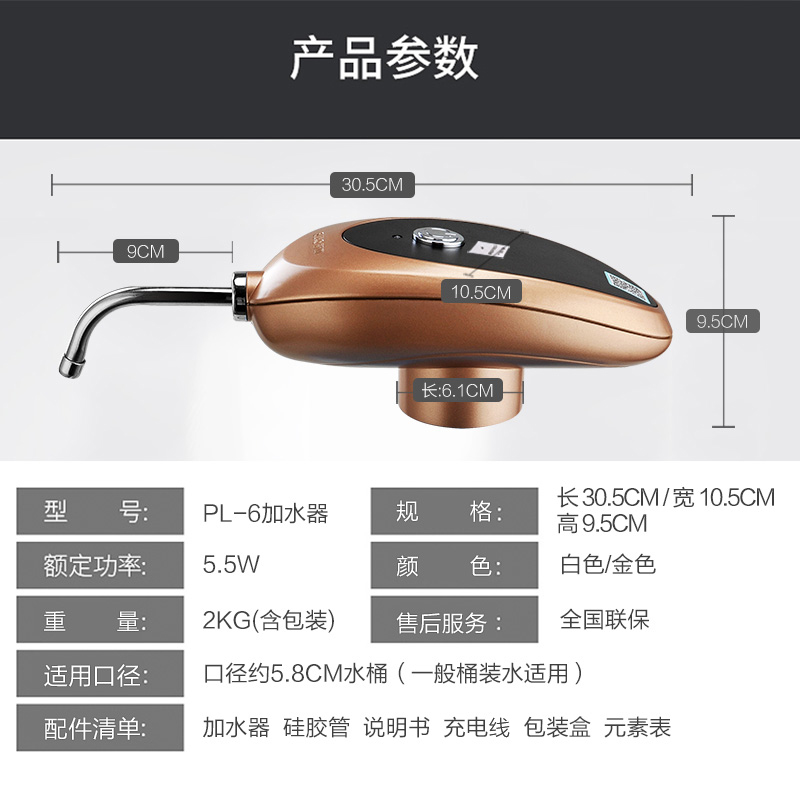
Sourcing portable water dispenser pumps at scale requires balancing aggressive unit costs with long-term component reliability. While the exterior housing and form factor often drive initial buyer appeal, the true value for volume importers lies under the hood. A successful procurement strategy hinges on specifying the right DC motor, ensuring the safety of the lithium-ion battery, and maintaining strict adherence to food-contact material standards across every production run.
Core Specifications and Component Selection
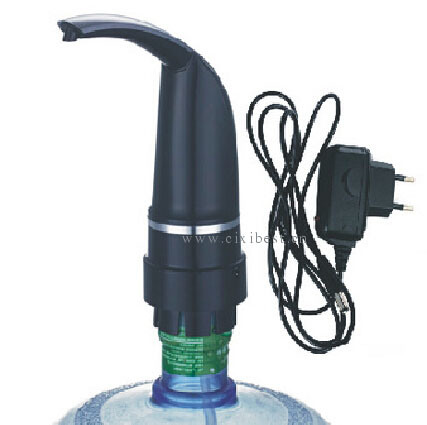
When negotiating with manufacturers, the "standard" specification is often a race to the bottom. To protect your brand and minimize defect rates, you must explicitly define the internal components. The difference between a pump that lasts three years and one that fails in three months usually comes down to the motor size, battery protection, and the grade of silicone used for the intake tube.
| Component | Standard Market Spec | Premium / OEM Spec |
|---|---|---|
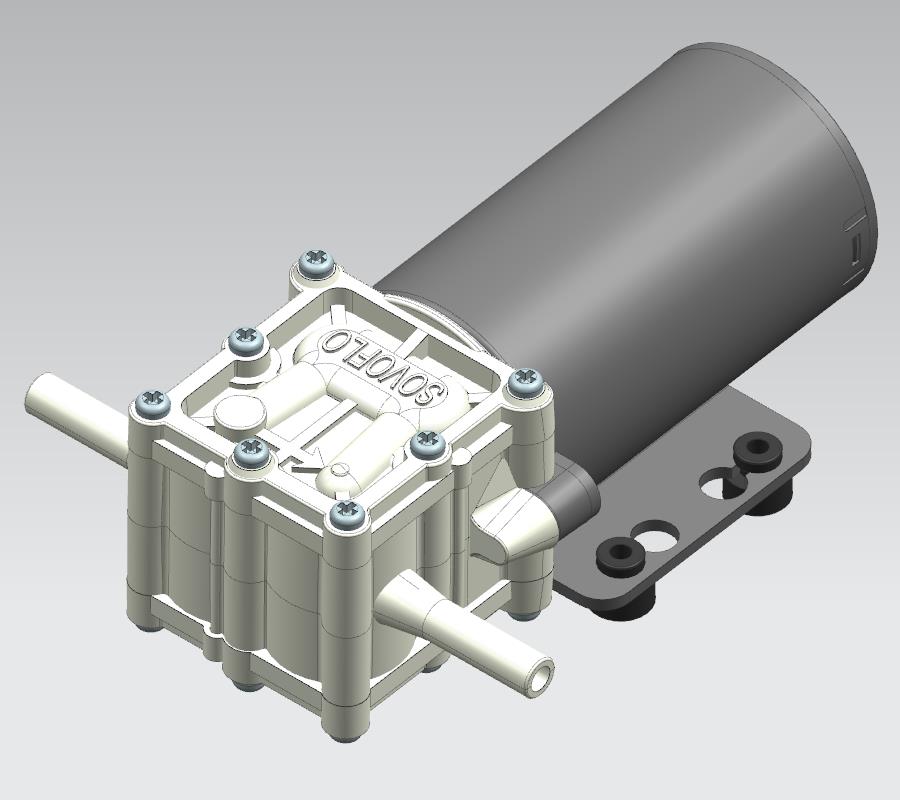
| Motor Type | 380 DC Motor (1.2-1.5 L/min) | 500 DC Motor (1.8-2.0 L/min) |
| Battery Capacity | 800mAh - 1200mAh (No PCB) | 1200mAh - 1800mAh (With PCB Protection) |
| Water Tube | Standard Industrial Silicone | Platinum-cured Food-Grade Silicone |
| Spout Material | Plated Plastic or 201 Stainless | 304 Stainless Steel |
Need help standardizing your product specifications across multiple suppliers? Let our engineers review your BOM.
Talk to our teamManufacturing Quality and Compliance
The assembly of portable water pumps is labor-intensive, involving the integration of injection-molded plastics, electronic PCBs, and fluid-handling mechanics. The most common failures—water ingress into the battery compartment, excessive motor noise, and off-tasting water—are direct results of poor factory-floor controls.
Before committing to a supplier, it is highly recommended to conduct thorough Factory Audits to verify their assembly line testing protocols and their supply chain for raw materials.
Critical Quality Control Checks
Implementing a rigorous Quality Control & Inspection protocol is non-negotiable for food-contact appliances. Your pre-shipment inspection checklist should include:
Pre-Shipment Inspection Focus Areas
- Food-Grade Verification: Ensure silicone tubes and internal ABS plastics carry valid FDA, LFGB, or RoHS compliance certificates.
- Battery Safety: Verify UN38.3 compliance for lithium-ion batteries and test PCB overcharge/over-discharge protection circuits.
- Acoustic Testing: Reject units exceeding 60dB during operation, a common indicator of misaligned motor housings.
- Flow Consistency: Test pumps under load to ensure they maintain the stated liters-per-minute flow rate without stalling.
- Seal Integrity: Conduct pressure tests to ensure internal water channels are completely isolated from the PCB and battery compartments.
OEM/ODM Customization and Private Labeling
For brands looking to differentiate, the portable pump category offers significant room for customization. While off-the-shelf white-label options are abundant, leveraging OEM/ODM Services allows you to integrate premium features.
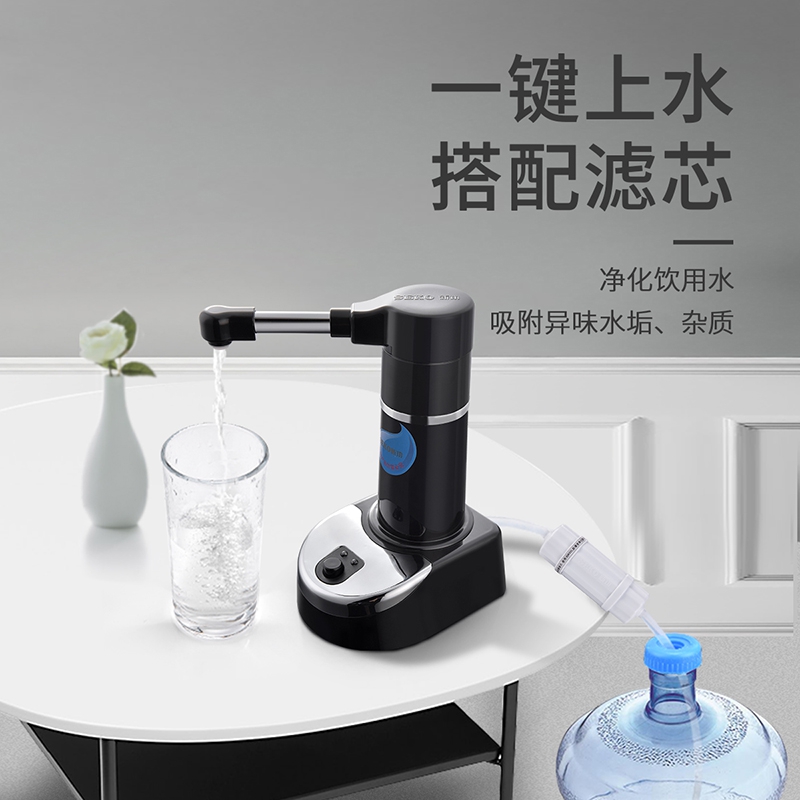
Popular upgrades include digital TDS (Total Dissolved Solids) meters integrated into the top display, custom UV-coated housings for scratch resistance, and type-C fast charging ports. Keep in mind that custom tooling for a unique housing will require a higher initial investment and extended lead times for the first production run.
Buying Mechanics: Pricing, MOQs, and Lead Times
Understanding the baseline mechanics of purchasing water dispenser pumps in bulk will help you forecast your supply chain more accurately. Unit pricing is highly sensitive to lithium-ion battery market fluctuations and the grade of motor specified.
Battery Shipping Regulations
Because these units contain lithium-ion batteries, they are classified as Dangerous Goods (Class 9) for air and sea freight. Ensure your supplier provides accurate MSDS and UN38.3 test reports to avoid customs delays.
Struggling with inconsistent pricing or high defect rates? We can help you identify and negotiate with top-tier pump manufacturers.
Get a free consultationFrequently Asked Questions
Minimizing warranty returns and protecting your brand reputation in the water dispenser category requires a proactive approach to component specification and factory oversight. By focusing on internal build quality rather than just external aesthetics, volume buyers can secure a highly profitable, reliable product line.
Get Sourcing Help for Portable Water Dispenser Pumps
Tell us your requirements and our experts will connect you with verified manufacturers.