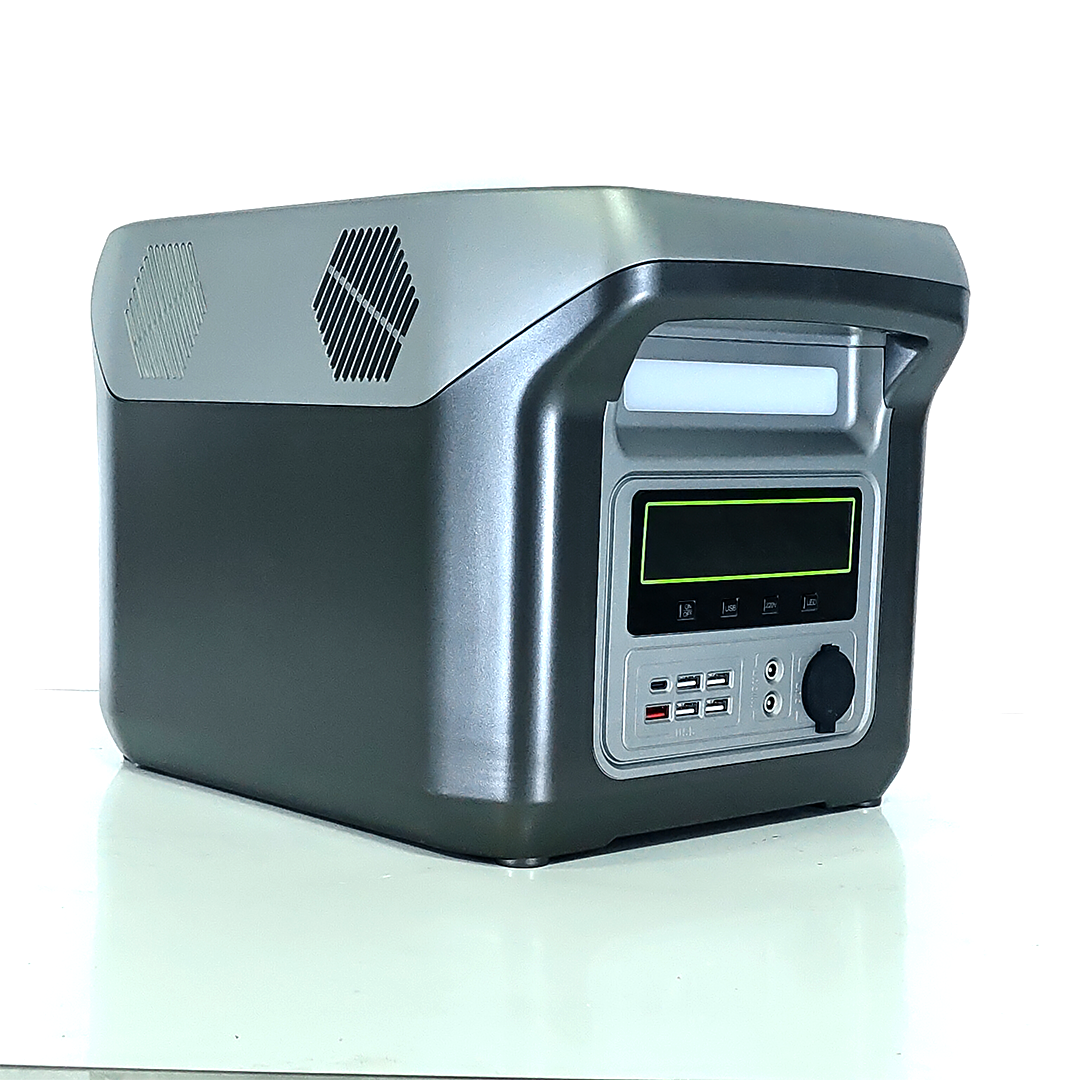
Portable Power Stations
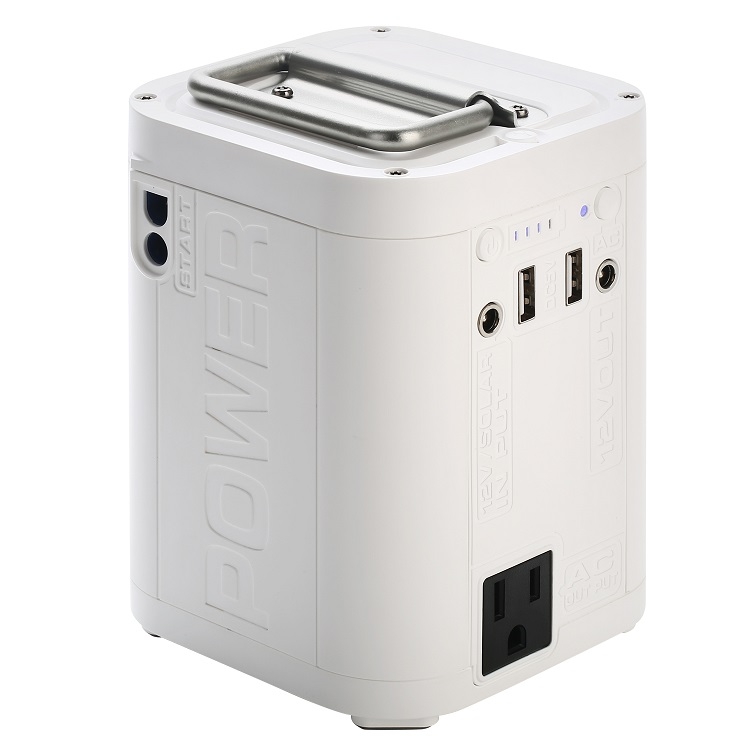
Source high-capacity portable power stations from vetted suppliers and manufacturers across Asia. Designed for importers, distributors, and brands seeking reliable OEM and private-label production, our network delivers scalable manufacturing for advanced lithium-based energy storage solutions.
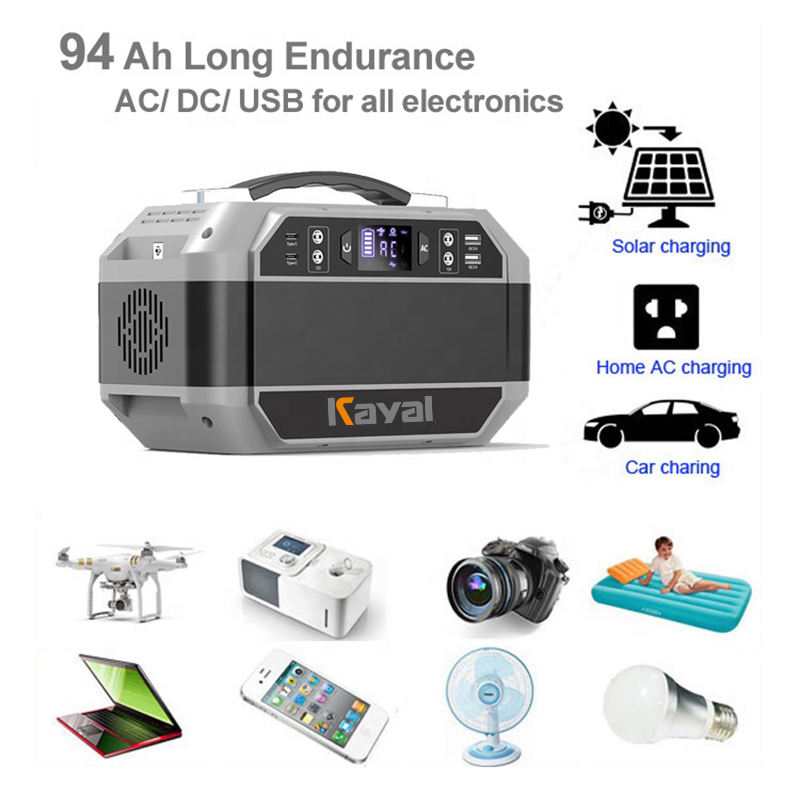
Sourcing portable power stations in volume requires navigating a highly fragmented supply chain. A finished unit is an integration of lithium battery cells, an inverter, and a Battery Management System (BMS). Because you are importing high-density energy storage, the margin for error on the factory floor is zero. Success depends on identifying manufacturers who control their BMS engineering and employ rigorous cell-matching protocols, rather than assembly workshops simply casing off-the-shelf components.
Core Specifications: Chemistry and Inverter Architecture
The foundation of any portable power station is its battery chemistry and inverter quality. Modern B2B buyers must specify these parameters clearly before engaging a factory.
Battery Chemistry: LiFePO4 vs. NMC
While Lithium Nickel Manganese Cobalt (NMC) was the early standard for its high energy density and lower weight, Lithium Iron Phosphate (LiFePO4 or LFP) has become the dominant chemistry for premium power stations. LFP offers significantly higher thermal stability and a cycle life that is often four to six times longer than NMC.
| Specification | LiFePO4 (LFP) | NMC |
|---|---|---|
| Typical Cycle Life | 3,000 to 5,000+ cycles | 500 to 1,000 cycles |
| Thermal Stability | Excellent (High runaway threshold) | Moderate (Requires strict BMS control) |
| Energy Density | Lower (Heavier units) | Higher (Lighter, compact units) |
| Cost per Wh | Slightly higher upfront | Lower upfront |
Inverter Type and Output
For AC output, always specify a Pure Sine Wave inverter. Modified sine wave inverters are cheaper but will damage sensitive electronics, medical devices, and variable-speed motors. You must also define both the continuous wattage (the sustained load the unit can handle) and the surge/peak wattage (the momentary spike required to start motors or compressors).
Need help verifying supplier specifications and battery cell origins before committing to a bulk order?
Talk to our teamManufacturing and Quality Control Checkpoints
The difference between a reliable power station and a dangerous liability is found in the factory's quality control systems. A thorough Factory Audit is essential to verify that the supplier has the necessary testing equipment and engineering staff on site.
The Battery Management System (BMS)
The BMS is the brain of the unit. It protects against over-voltage, under-voltage, over-current, short circuits, and extreme temperatures. Top-tier manufacturers design their BMS in-house or partner with dedicated BMS engineering firms, allowing them to customize firmware for specific applications.
Factory Floor Quality Control
When evaluating a supplier's assembly line, look for strict adherence to cell grading and aging processes. If cells are not perfectly matched in internal resistance and capacity before assembly, the entire battery pack will degrade rapidly.
Critical Factory-Level QC Processes
- Cell Sorting & Matching: Automated testing to group cells with identical voltage and resistance profiles.
- BMS Calibration Testing: Simulating overcharge and short-circuit events to ensure the BMS trips correctly.
- Aging (Burn-in) Testing: Running assembled units through full charge/discharge cycles at elevated temperatures.
- Vibration & Drop Testing: Ensuring internal spot welds and wiring harnesses withstand transit and field abuse.
Implementing professional Quality Control & Inspection prior to shipment is non-negotiable to ensure these steps were actually followed on your specific production run.
Compliance, Certification, and Shipping
Portable power stations are classified as Class 9 Dangerous Goods under international shipping regulations. They cannot be legally exported from Asia or imported into Western markets without specific certifications.
At a minimum, the battery pack must pass UN38.3 testing for transport. For market entry, units typically require CE, FCC, RoHS, and often UL 2743 certification (specifically for portable power packs). Navigating these regulatory hurdles requires upfront Compliance & Testing to avoid customs seizures or costly rework.
MOQs, Lead Times, and OEM Realities
Pricing and Minimum Order Quantities (MOQs) scale directly with the level of customization you require.
If you are developing a completely custom unit with unique casing and proprietary port configurations, expect substantial tooling costs and a development timeline of 3 to 6 months. For these projects, structuring a clear OEM/ODM Services agreement covering IP ownership, mold rights, and warranty terms is critical.
Planning a custom tooling project or need to negotiate better terms with an existing supplier?
Get a free consultationFrequently Asked Questions
Procuring portable power stations at scale requires tight control over technical specifications, regulatory compliance, and factory-level execution. By establishing rigorous testing protocols and verifying supplier capabilities early, you can secure reliable, high-performance energy storage products for your market.
Get Sourcing Help for Portable Power Stations
Tell us your requirements and our experts will connect you with verified manufacturers.