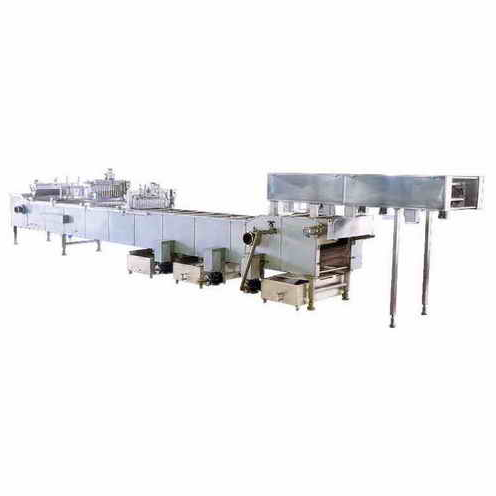
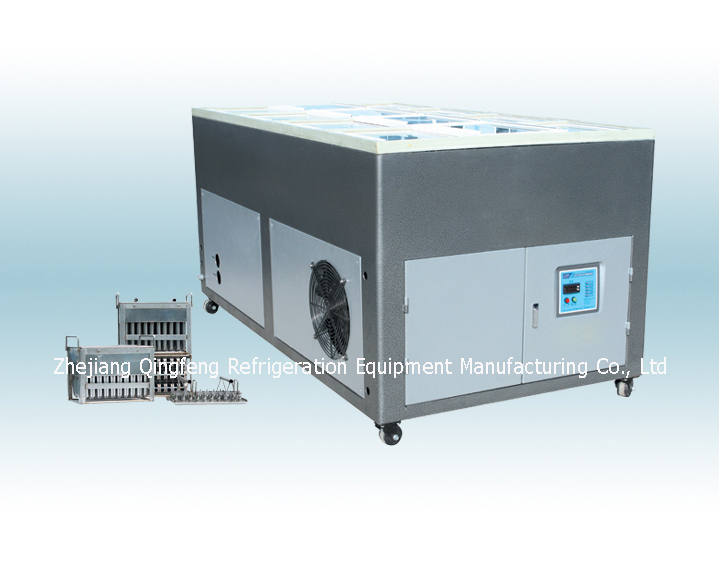
Popsicle Machines
Source commercial popsicle machines from vetted manufacturers and suppliers in China and Asia. Designed for importers, foodservice equipment distributors, and brands requiring OEM production, our network delivers reliable, high-yield ice lolly equipment built for continuous industrial operation and precise temperature control.
Sourcing commercial popsicle machines (also known as ice lolly or paleta machines) at scale requires navigating a complex landscape of refrigeration engineering and electrical compliance. For distributors and commercial food processors, the priority is securing equipment that maintains consistent brine temperatures under continuous thermal loads, without falling victim to substandard compressors or corrosive tank materials.
Critical Specifications and Component Selection
The reliability of a popsicle machine hinges entirely on its refrigeration cycle and the integrity of its cooling tank. When negotiating with manufacturers, buyers must specify components down to the brand and material grade.
| Component | Standard Market Spec | Industrial/Premium Spec |
|---|---|---|
| Compressor | Local or unbranded | Authentic Tecumseh, Panasonic, or Embraco |
| Tank Material | 201 Stainless Steel (prone to rust) | 304 or 316 Food-Grade Stainless Steel |
| Refrigerant | R22 (phased out in many regions) | R404A or R410A (compliant) |
| Controller | Basic analog thermostat | Microcomputer / PLC digital controller |
The most common failure point in imported snack machinery is the compressor. Some lower-tier factories substitute counterfeit or refurbished compressors to cut costs. Ensuring the factory has direct, verifiable supply chains for components like Embraco or Tecumseh is essential.
Need to verify factory component sourcing and compressor authenticity before placing a bulk order?
Talk to our teamManufacturing Quality and Factory-Level Defect Prevention
A machine's lifespan is dictated by the quality of the factory's welding and assembly processes. The brine tank, which holds highly corrosive saltwater or glycol solutions, must be flawlessly welded. Even microscopic pinholes in the argon arc welding will lead to internal leaks, destroying the insulation layer and electrical components.
When conducting Quality Control & Inspection at the factory, inspectors should focus on the following critical areas:
Key QC Checkpoints for Popsicle Machines
- Argon arc weld integrity on the 304/316 stainless steel brine tank
- Copper tube thickness in the condenser (minimum 0.8mm recommended)
- Electrical safety testing (Hi-Pot test, ground continuity, and leakage current)
- Refrigerant leak detection using electronic halogen sniffers
- Continuous run-test mapping (verifying time required to reach -22 to -30 degrees Celsius)
Customization and OEM Requirements
For brands and distributors looking to differentiate their catalog, manufacturers offer significant customization. Through structured OEM/ODM Services, buyers can modify both the mechanical output and the physical footprint of the machines.
- Voltage and Frequency: Standard Chinese domestic equipment runs on 220V/50Hz. Importers must specify 110V/60Hz for North America or 380V/3-phase for heavy industrial models.
- Mold Customization: While standard capacities range from 1 to 8 molds per cycle (producing 40 to 320 popsicles per batch), the molds themselves can be laser-cut to custom shapes. Acidic fruit mixtures require 304L or titanium-alloy molds to prevent pitting.
- Cooling Medium Upgrades: Machines can be optimized for either calcium chloride (saltwater) or food-grade propylene glycol, which requires different pump specifications due to viscosity differences at low temperatures.
Pricing, MOQs, and Lead Times
Commercial popsicle machines are capital-intensive, meaning Minimum Order Quantities (MOQs) are generally low, but lead times can stretch depending on the level of customization.
Pricing is heavily stratified based on daily production capacity (measured in pieces per hour) and the compressor origin. A single-mold entry-level machine will cost significantly less than a continuous-rotation, 8-mold industrial unit with a water-cooled condenser. Before negotiating price, conducting thorough Factory Audits is critical to ensure the supplier actually manufactures the equipment rather than just assembling purchased parts.
Looking to standardize your equipment procurement and negotiate better terms with Asian manufacturers?
Get a free consultationFrequently Asked Questions
Successfully importing commercial popsicle machines requires looking past the outer stainless steel shell and scrutinizing the internal refrigeration engineering. By specifying exact component brands, mandating rigorous weld inspections, and ensuring electrical compliance, buyers can secure equipment that delivers decades of reliable commercial output.
Get Sourcing Help for Popsicle Machines
Tell us your requirements and our experts will connect you with verified manufacturers.