Popcorn Machines
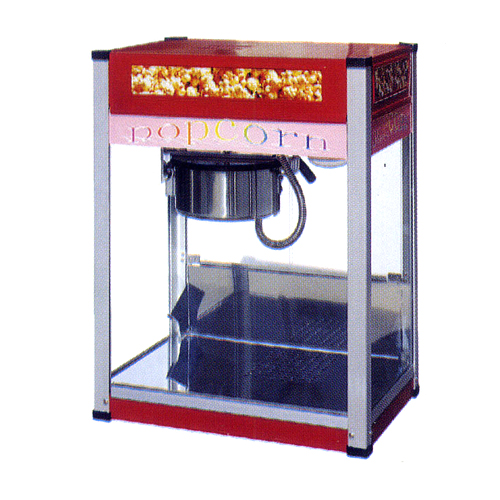
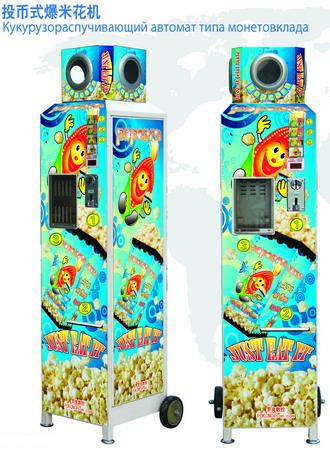
Source commercial popcorn machines from vetted suppliers and manufacturers across Asia. Designed for importers, wholesale distributors, and brands seeking reliable OEM and private-label production, our network provides access to high-capacity units built for demanding retail, concession, and industrial environments.
Sourcing commercial popcorn machines at scale requires balancing heating efficiency, mechanical durability, and stringent electrical safety. Whether you are supplying cinema chains, outfitting concession equipment distributors, or developing a private-label line of snack machinery, the core challenge lies in verifying component quality. A machine's lifespan is dictated by its kettle metallurgy, motor torque, and thermal management systems—areas where manufacturers often cut corners to lower unit costs.
Critical Specifications and Component Quality
When evaluating popcorn machine manufacturers, the primary focus must be on the kettle assembly and the electromechanical drive system.
The kettle is the heart of the machine. High-quality kettles utilize an aluminum core for rapid, even heat distribution, clad in stainless steel for durability, and finished with a commercial-grade non-stick coating (typically Teflon). Inferior coatings will degrade rapidly under continuous high-heat cycling, leading to carbon buildup and burnt product.
| Kettle Capacity | Typical Power Draw | Target Application | Standard Production Rate |
|---|---|---|---|
| 8 oz | 850W - 1000W | Small retail, bars, home theater | Approx. 150 oz/hr |
| 16 oz | 1300W - 1700W | Mid-sized concession, event rentals | Approx. 300 oz/hr |
| 32 oz | 2500W - 3000W | Cinemas, stadiums, high-volume retail | Approx. 600 oz/hr |
Beyond the kettle, the stirring motor must provide sufficient torque to agitate a fully loaded kettle without stalling. Gear-driven motors are generally preferred over belt-driven systems for long-term commercial reliability.
Need help verifying supplier component specifications and motor durability?
Talk to our teamManufacturing Standards and Defect Prevention
A critical aspect of bulk sourcing is ensuring the factory adheres to strict electrical and food-safety standards. Because these machines draw significant current and operate at high temperatures, electrical faults are a major liability.
Implementing rigorous Quality Control & Inspection protocols at the factory level is non-negotiable. Inspectors should perform high-voltage (hipot) testing, check earth continuity, and verify that all internal wiring is properly insulated and routed away from the heating elements.
Key Pre-Shipment Inspection Points
- Hipot and earth continuity testing for electrical safety
- Verification of 304 stainless steel usage in food-contact zones (avoiding 201 series rust issues)
- Inspection of tempered glass panels for edge chips or mounting stress
- Thermostat calibration check to prevent kettle overheating and element burnout
- Motor load testing under simulated full-capacity conditions
Furthermore, if you are importing into North America or Europe, the equipment must meet specific regulatory requirements. Navigating Compliance & Testing for certifications like CE, RoHS, UL, or ETL (and NSF for sanitation) is a complex process. Factories will often claim compliance, but verifying the authenticity and scope of their test reports is essential.
Customization and Private Labeling
For brands looking to establish a unique market presence, leveraging OEM/ODM Services allows for significant product differentiation. Standard factory models can be customized extensively. Typical modifications include custom housing colors, branded etching on the glass panels, upgraded heavy-duty toggle switches, and the integration of automated oil pumping systems for larger capacity units.
When negotiating OEM agreements, ensure that the tooling costs for custom extrusions or stamped panels are clearly defined and that the intellectual property rights for your specific designs are protected.
Market Realities: MOQs, Pricing, and Lead Times
Pricing for commercial popcorn machines is highly dependent on the raw material costs of stainless steel, copper (for motors and wiring), and aluminum.
Optimize your supply chain and negotiate better MOQs with factory-direct leverage.
Get a free consultationSecuring a reliable supply of commercial popcorn machines requires looking past the glossy catalog photos to scrutinize the underlying engineering and factory quality systems. By enforcing strict component requirements and validating electrical safety protocols on the factory floor, buyers can avoid costly recalls and build a resilient product line. If you need experienced on-the-ground support to manage this process, our team is ready to assist.
Get Sourcing Help for Popcorn Machines
Tell us your requirements and our experts will connect you with verified manufacturers.