Pop-Up Tents
Source premium wholesale Pop-Up Tents directly from vetted manufacturers and suppliers in China and across Asia. Designed for importers, regional distributors, and outdoor brands seeking reliable OEM and private-label production at scale.
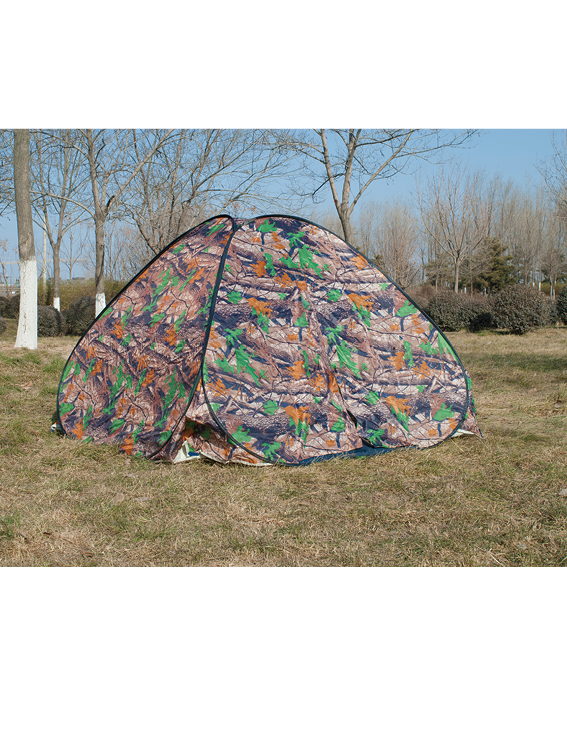
Sourcing pop-up tents at volume requires a delicate balance of mechanical engineering and textile durability. Because these tents rely on continuous tension from internal frames to maintain their structure, any compromise in material quality or stitching precision results in warped shapes, snapped poles, or torn pole sleeves. Securing a reliable supply chain means vetting factories not just for their cut-and-sew capabilities, but for their mastery of flexible frame dynamics and consistent assembly tolerances.
Frame Mechanics and Fabric Specifications
The core of any pop-up tent is its frame. The choice of material dictates the tent's lifespan, weight, and deployment reliability. Most bulk production utilizes either flat spring steel or pultruded fiberglass rods.
| Frame Material | Flexibility | Weight | Ideal Application |
|---|---|---|---|
| Spring Steel | Very High | Heavier | Beach tents, lightweight shelters |
| Solid Fiberglass | Moderate | Lighter | Camping tents, hub-style pop-ups |
| Hollow Fiberglass | High | Lightest | Budget or promotional tents |
Fabric selection is equally critical. Standard production typically uses Polyester ranging from 190T to 210D. For weather resistance, the Hydrostatic Head (HH) rating—achieved via Polyurethane (PU) coating—must be specified clearly in your PO. A 1000mm rating provides basic water resistance suitable for beach shelters, while 2000mm to 3000mm is strictly required for genuine outdoor camping models. Ensure your supplier specifies the exact PU coating thickness and the machinery used for seam taping.
Manufacturing Tolerances and Quality Control
The most common failure points in pop-up tents occur where the frame exerts maximum tension on the fabric. If the factory's cutting patterns are off by even a few millimeters, the tent will lean, warp, or fail to fold correctly. Over time, poor stitching at these stress points leads to catastrophic tearing.
Critical Inspection Points for Pop-Up Tents
- Pole Sleeve Reinforcement: Check for double-stitching and reinforced Oxford cloth at pole insertion points.
- Seam Tape Adhesion: Ensure PU tape is applied evenly without bubbling, especially at corner seams.
- Folding Fatigue: Test the folding mechanism repeatedly to ensure the frame does not permanently deform.
- Zipper Tension: Verify that zippers operate smoothly when the tent is fully deployed and under maximum structural tension.
Catching these issues requires rigorous quality control during the inline assembly phase, long before the tents are tightly packed into their carrying bags and loaded into containers.
Ensure your next shipment meets exact tension and hydrostatic specifications.
Get a free consultationOEM/ODM Customization Capabilities
Differentiating your product line often requires moving beyond off-the-shelf factory designs. Engaging with a manufacturer for OEM/ODM services allows you to alter ventilation layouts, upgrade floor materials (for example, upgrading from standard PE tarp to 150D Oxford cloth for better packability), and apply custom UV-resistant silver coatings.
Packaging Optimization
Pop-up tents are notoriously inefficient to ship due to their large, flat, circular packed footprint. Work closely with your factory to optimize the bag diameter and master carton dimensions to maximize shipping container utilization.
Sourcing Mechanics: MOQs, Lead Times, and Pricing
Pop-up tent production is heavily reliant on raw material minimums, particularly for custom-dyed polyester and specialized fiberglass extrusions.
Pricing is highly sensitive to the frame material, fabric denier, and the complexity of the folding mechanism. Multi-room or hub-style pop-ups command significant premiums over standard two-person shelters. Before committing to high-volume orders, conducting thorough factory audits is essential to verify the supplier's actual production capacity, their access to quality raw materials, and their quality management systems.
Streamline your procurement process and negotiate better terms with vetted tent manufacturers.
Talk to our teamFrequently Asked Questions
Sourcing reliable pop-up tents demands strict oversight of both textile manufacturing and mechanical assembly. By establishing clear specifications and rigorous inspection protocols early in the process, you can prevent costly structural failures and deliver a product that performs flawlessly in the field.
Get Sourcing Help for Pop-Up Tents
Tell us your requirements and our experts will connect you with verified manufacturers.