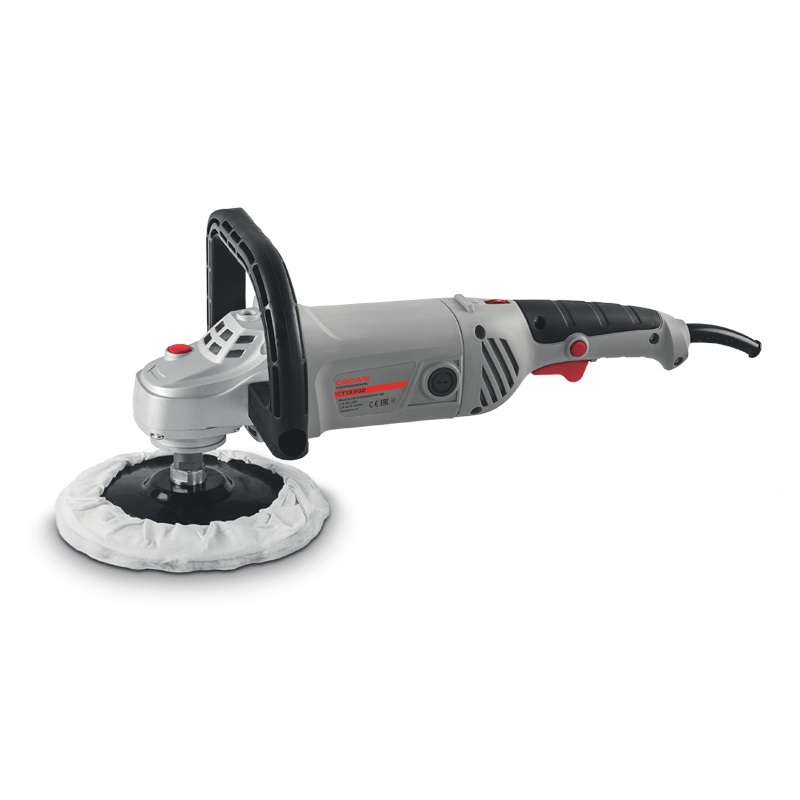
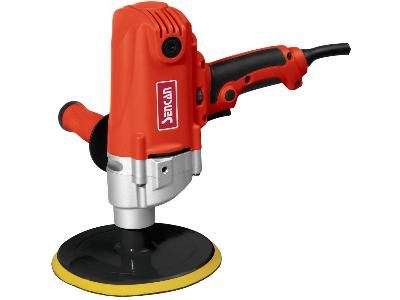
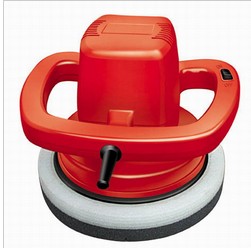
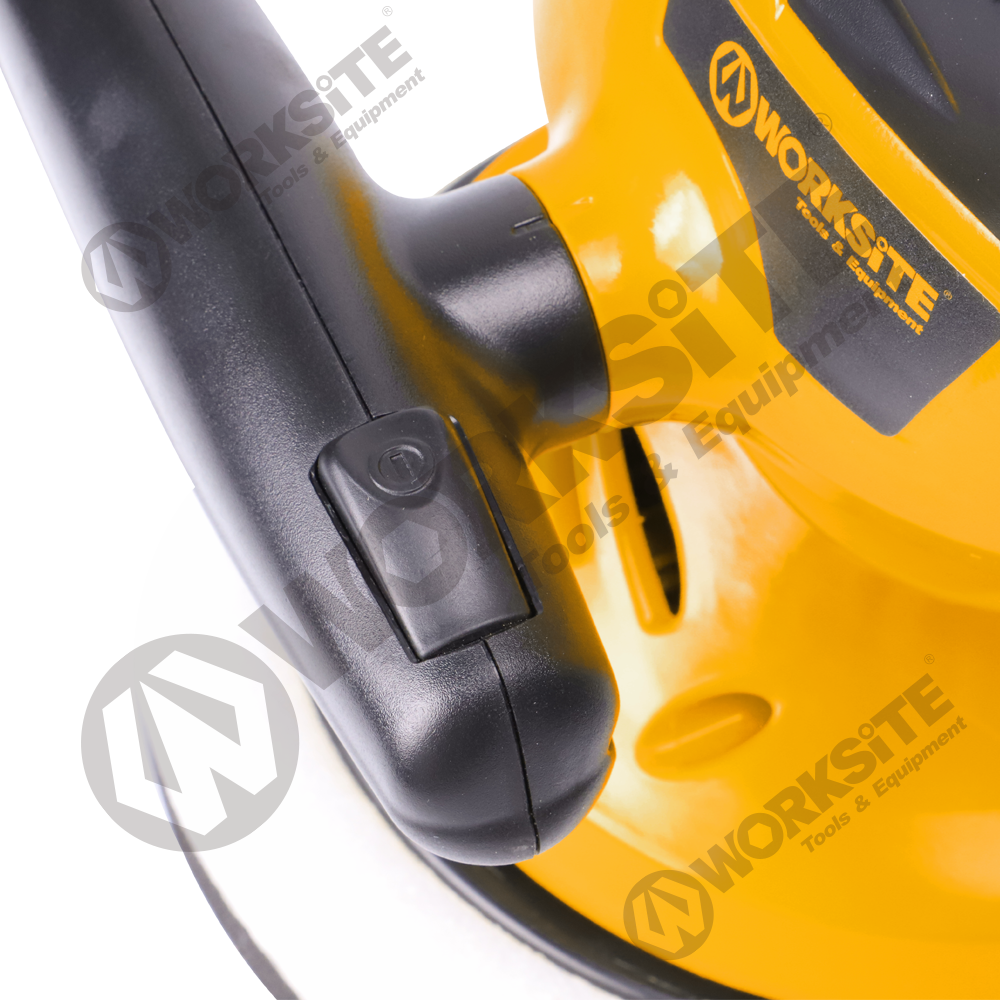
Polishers
Source professional-grade power polishers from vetted suppliers and manufacturers. This catalog is built for bulk importers, hardware distributors, and automotive care brands looking for reliable wholesale purchasing and custom OEM/private-label production at scale.
Sourcing power polishers requires balancing motor durability, thermal management, and precision ergonomics. Whether your end-users are professional automotive detailers or industrial fabrication shops, the difference between a high-return liability and a flagship product is rarely visible on the casing. The true quality lies deep in the motor windings, gear machining, and speed control electronics.
When importing polishers in bulk, specifying the right internal components directly impacts your brand's reputation and warranty claim rates.
Critical Specifications for Professional Polishers
To secure a reliable product from Asian manufacturers, you must dictate strict internal specifications. Leaving these details up to the factory often results in cost-cutting on unseen components.
Motor and Electronics
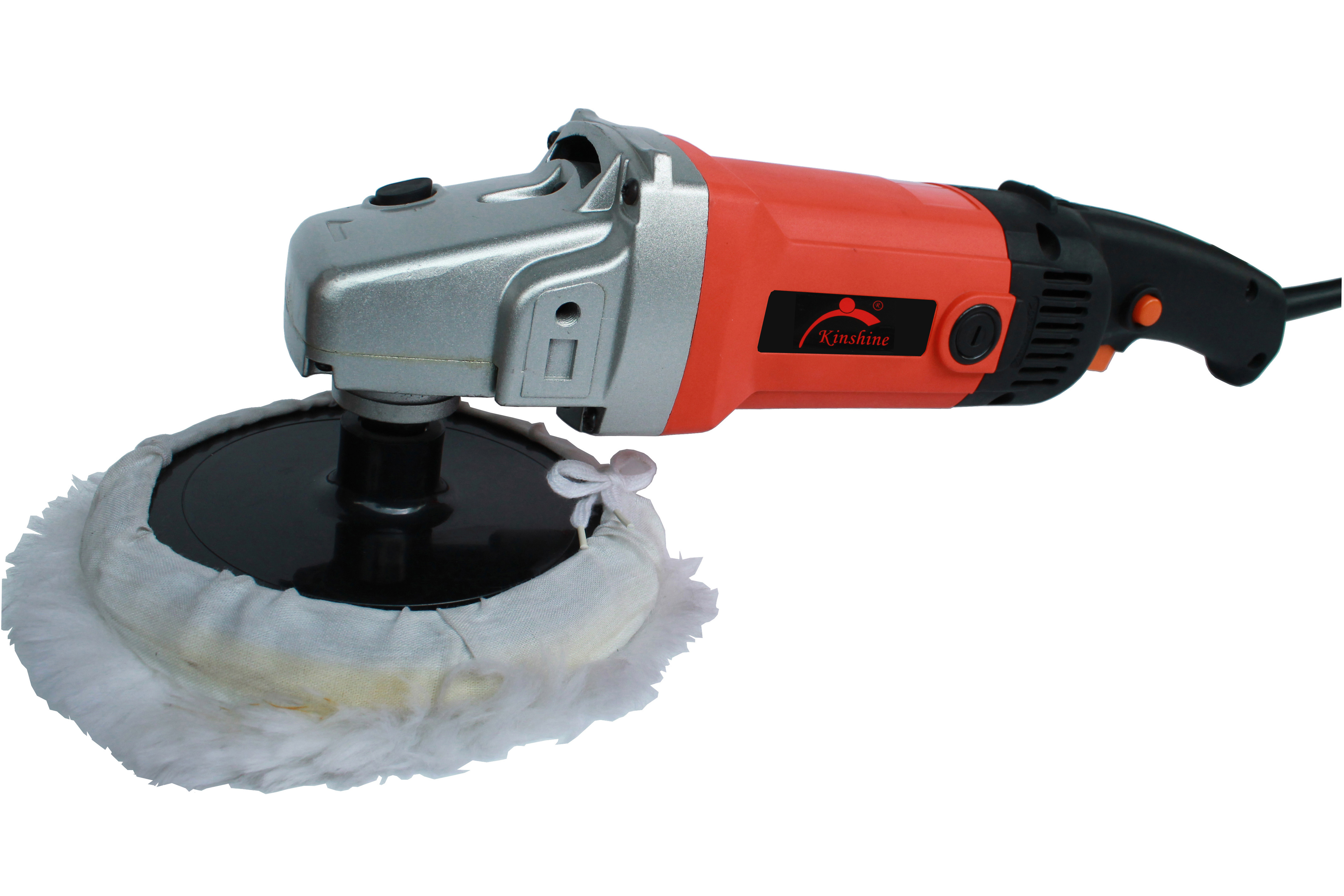
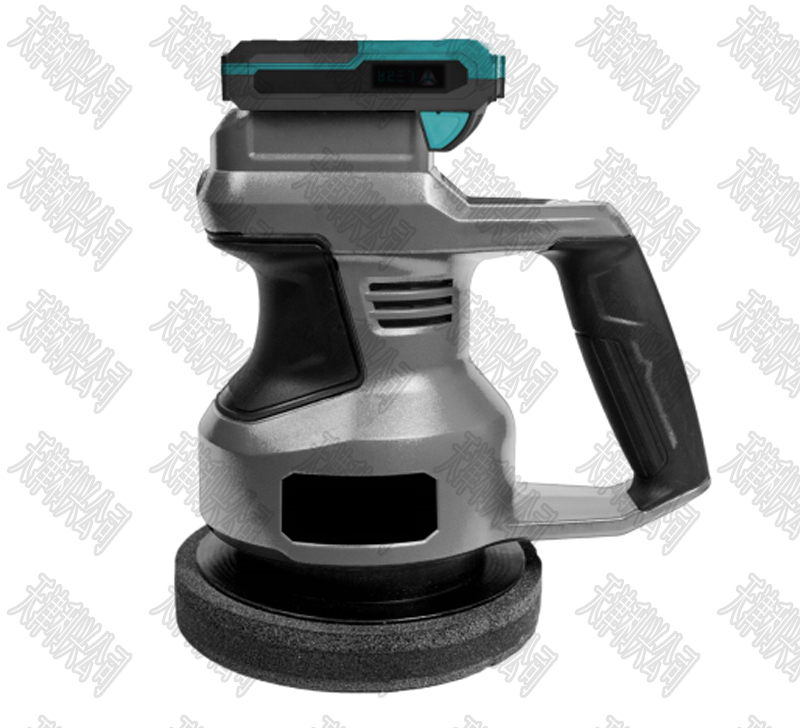
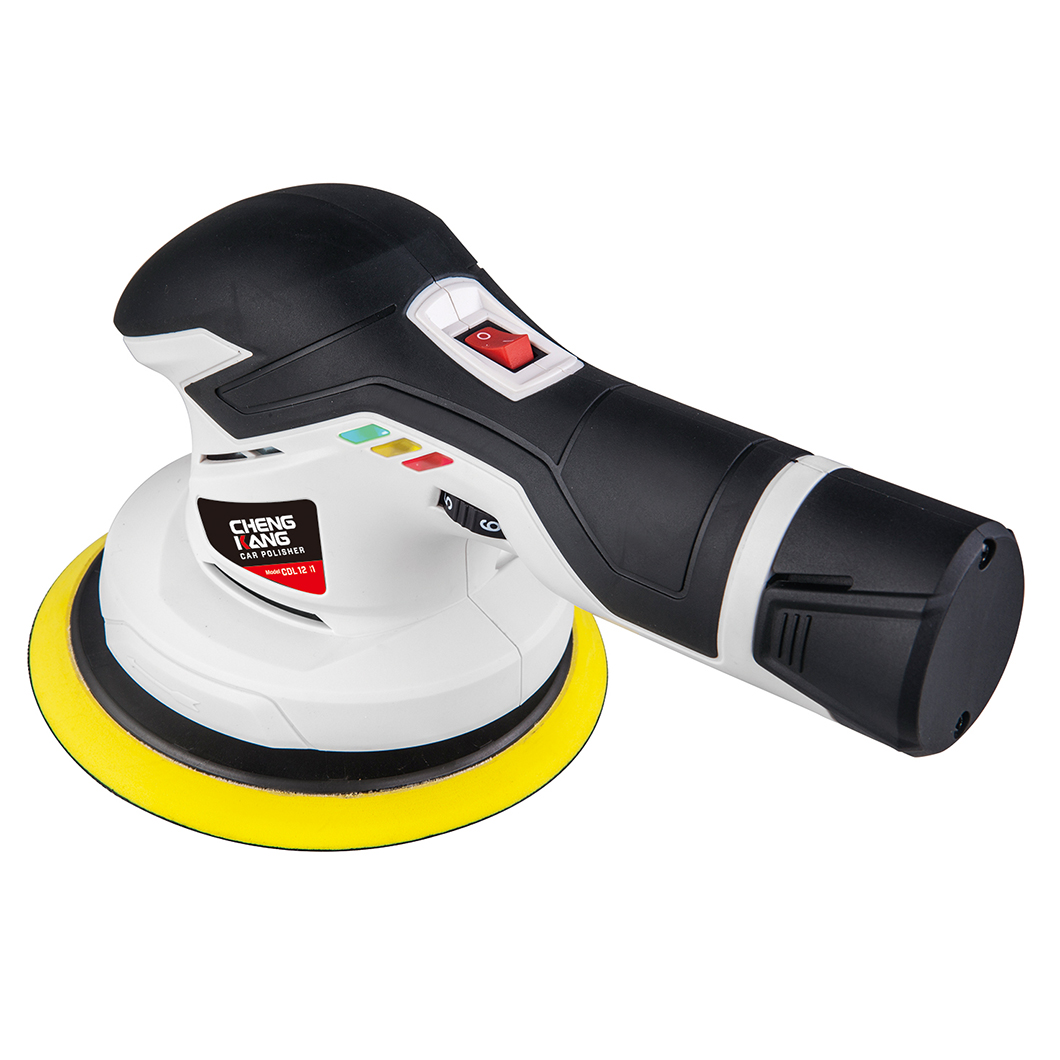
The heart of any rotary or dual-action (DA) polisher is its motor and control module.
- Armature and Stator Windings: Insist on 100 percent high-purity copper windings. Some lower-tier factories will substitute copper-clad aluminum (CCA) to reduce costs, which drastically lowers the motor's thermal tolerance and lifespan.
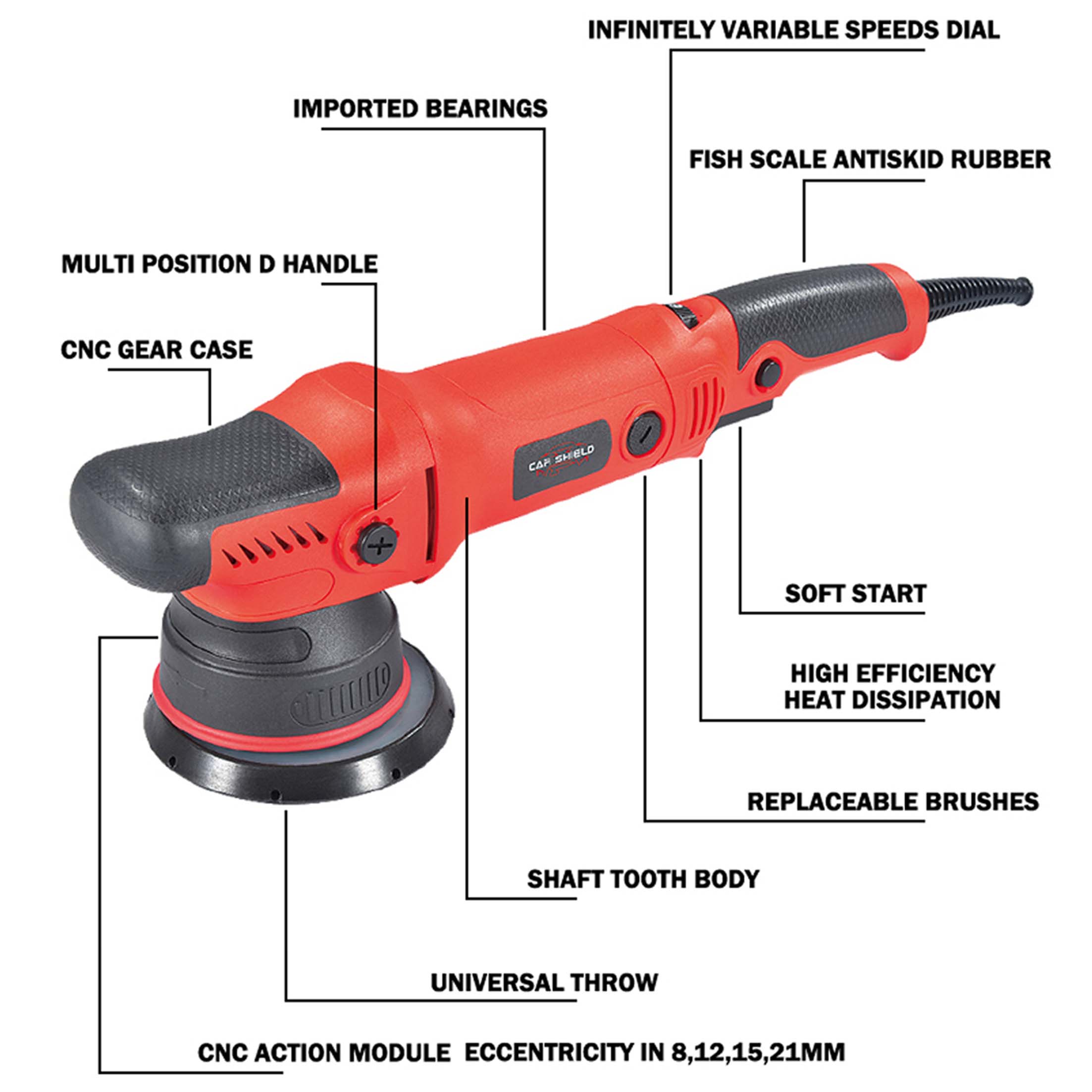
- Constant Speed Electronics: Professional users require the pad to maintain its RPM or OPM (orbits per minute) under heavy downward pressure. Specify that the PCBA must include a constant speed module with soft-start functionality to prevent sling and surface burning.
Mechanics and Bearings
Vibration is the primary complaint among end-users of dual-action polishers. Managing this requires strict mechanical tolerances.
- Bearings: Specify recognized bearing brands (such as NSK, C&U, or equivalent) for the main drive and eccentric block. Cheap bearings fail quickly under the lateral loads generated by long-throw DA polishers.
- Gear Machining: Gears must be CNC machined rather than powdered metal or cast, ensuring lower noise levels and reduced heat generation in the head assembly.
Struggling to lock down the right specifications with your current factory? Let us help you negotiate the technical details.
Talk to our teamFactory Quality Control and Common Defects
Even with the right specifications, assembly lines can introduce fatal flaws. Heat dissipation and vibration are the two metrics where substandard polishers fail. Establishing a strict quality control and inspection protocol is non-negotiable.
Essential Pre-Shipment Inspection Points
- Vibration testing under load (measuring m/s² against approved golden samples).
- Temperature rise tests (running the unit continuously for 30+ minutes to check gear head and motor housing thermals).
- Hi-Pot (High Potential) testing for electrical insulation safety.
- Speed controller verification (ensuring RPM does not drop by more than 10 percent under standard load).
- Power cord pull-tests and strain relief checks.
Customization and OEM/ODM Opportunities
For brands looking to stand out in a crowded market, off-the-shelf white-labeling is rarely enough. Engaging in deep OEM/ODM services allows you to tailor the tool to your specific buyer demographic.
| Customization Level | Typical Factory Requirements | Market Impact |
|---|---|---|
| Basic Private Label | Low MOQ, custom stickers/colors | Low differentiation, price-driven |
| Component Upgrades | Medium MOQ, specified bearings/cords | Improved reliability, mid-tier pricing |
| Full ODM (Custom Tooling) | High MOQ, tooling costs, R&D time | High margin, unique ergonomic design |
Common OEM modifications include custom orbit throws (e.g., 15mm or 21mm for automotive detailing), upgraded rubberized over-molds for better grip, and extended, high-flexibility power cords (e.g., 4 to 5 meters).
Pricing, MOQs, and Lead Times
Understanding the commercial realities of polisher manufacturing helps in planning your procurement cycles.
- Minimum Order Quantities (MOQs): For standard models with your brand colors and logos, expect MOQs between 500 and 1,000 pieces per SKU. If you are ordering standard factory colors with basic branding, some suppliers may accept orders as low as 200 pieces.
- Lead Times: Typical production times range from 35 to 45 days. However, if you are sourcing during peak seasons or requiring custom injection molding, lead times can extend to 60 days.
- Pricing Drivers: The transition from brushed to brushless motors (especially in cordless models) significantly impacts unit cost. High-capacity lithium-ion battery packs and premium constant-speed PCBAs are the other major cost centers.
Ready to scale your power tool purchasing? We handle supplier vetting, negotiation, and logistics.
Get a free consultationCompliance and Market Certifications
Power tools are strictly regulated. Importing non-compliant polishers can lead to customs seizures or severe liability issues. Ensure your supplier can provide valid, verifiable test reports for your target region, or utilize independent compliance and testing services.
- North America: UL or ETL certification is practically mandatory for wholesale distribution and retail acceptance.
- Europe: CE (including LVD and EMC directives) and RoHS compliance are required by law. GS certification is highly recommended for the German market.
Sourcing power polishers in bulk is an exercise in risk management. By understanding the critical internal components and enforcing strict quality standards on the factory floor, you can build a highly profitable tool category. Partnering with experienced sourcing professionals ensures your specifications are met from the first sample to the final container.
Get Sourcing Help for Polishers
Tell us your requirements and our experts will connect you with verified manufacturers.