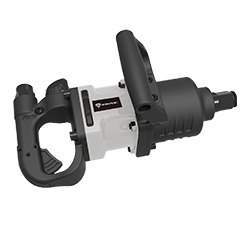
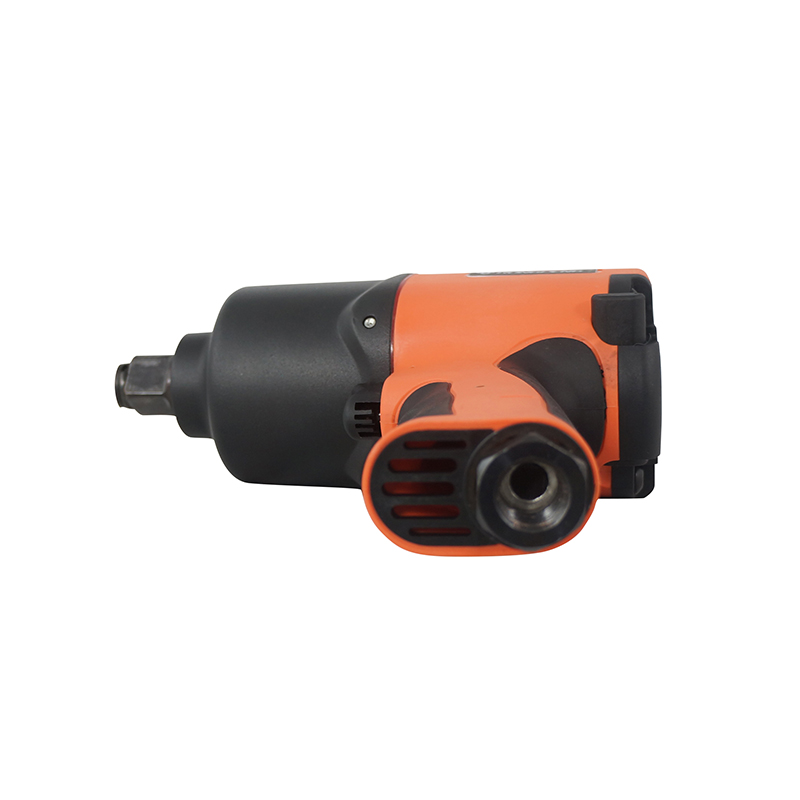
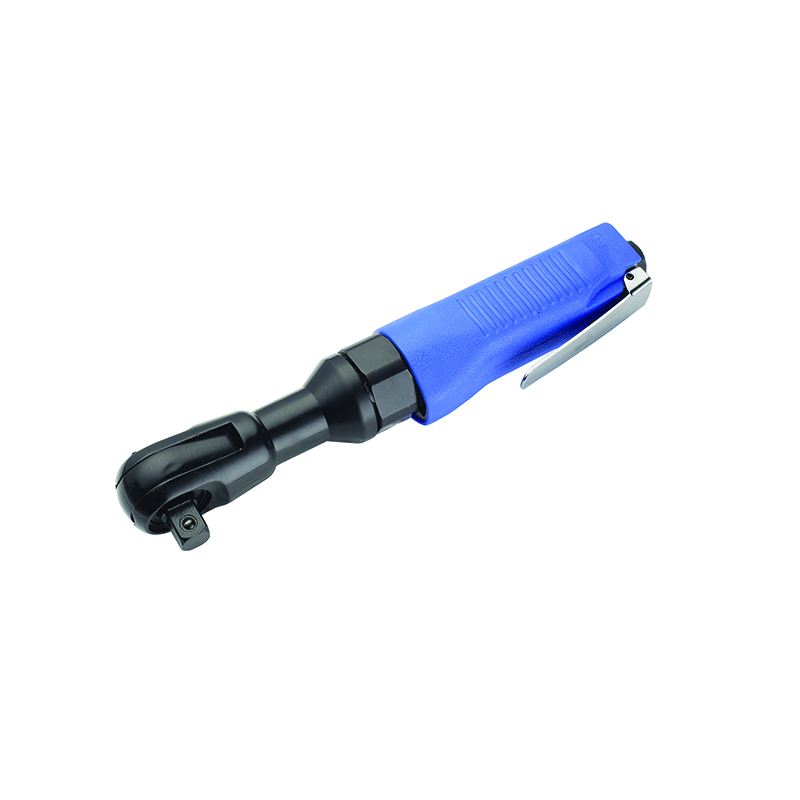
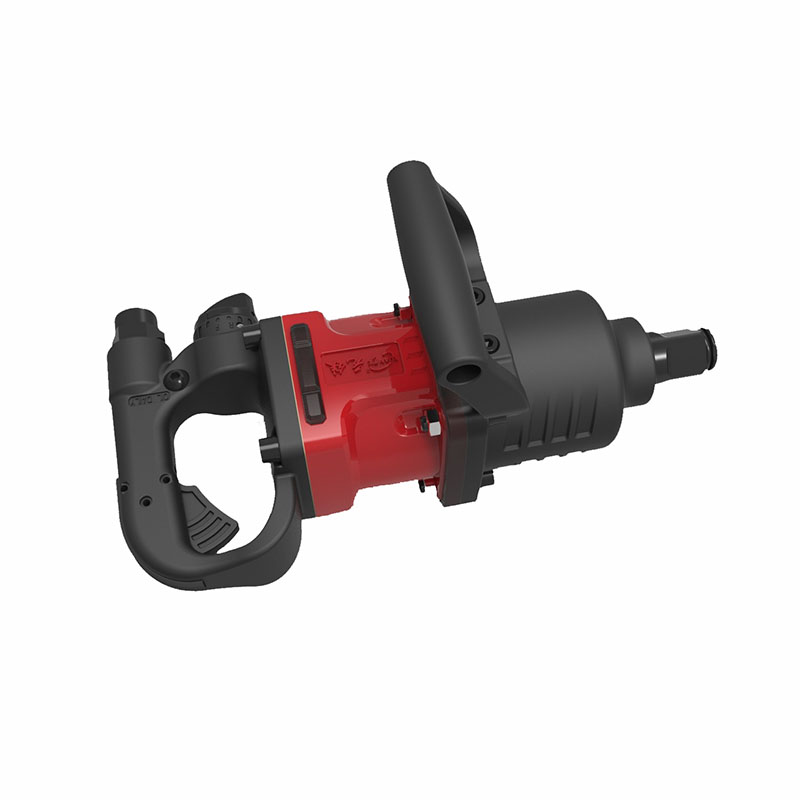
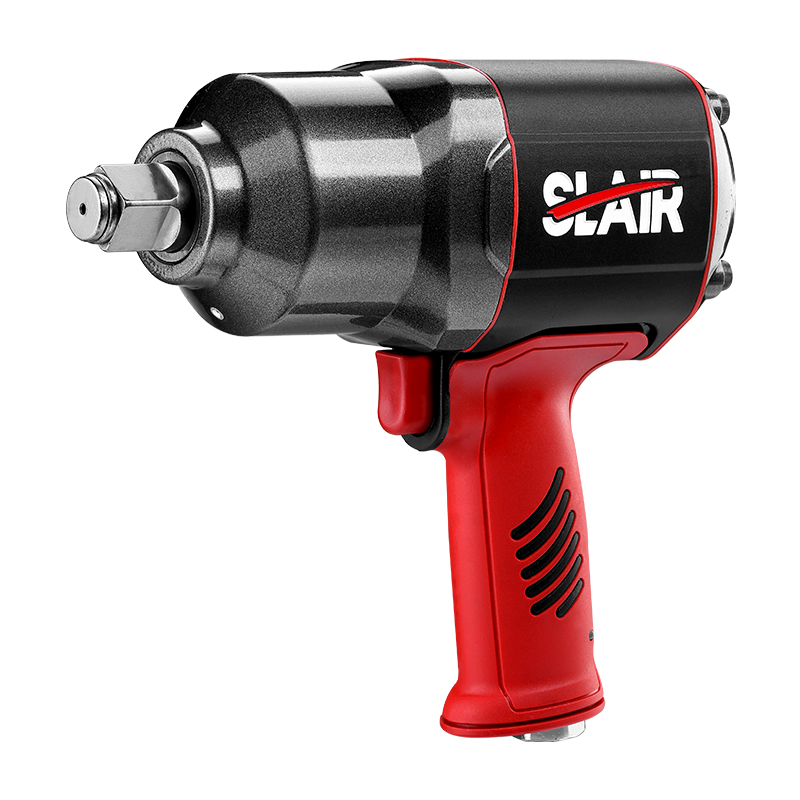
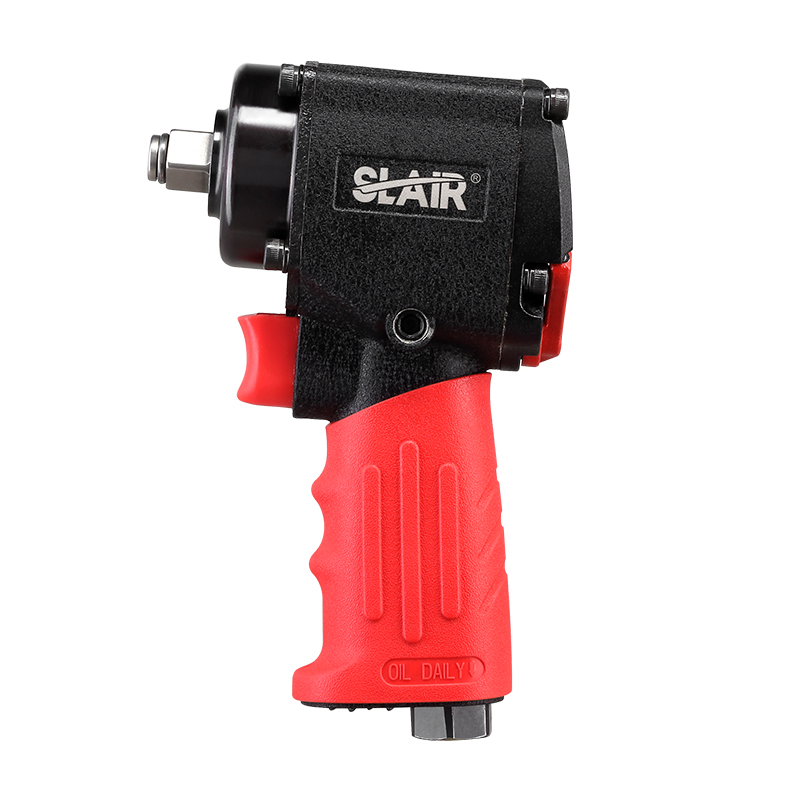
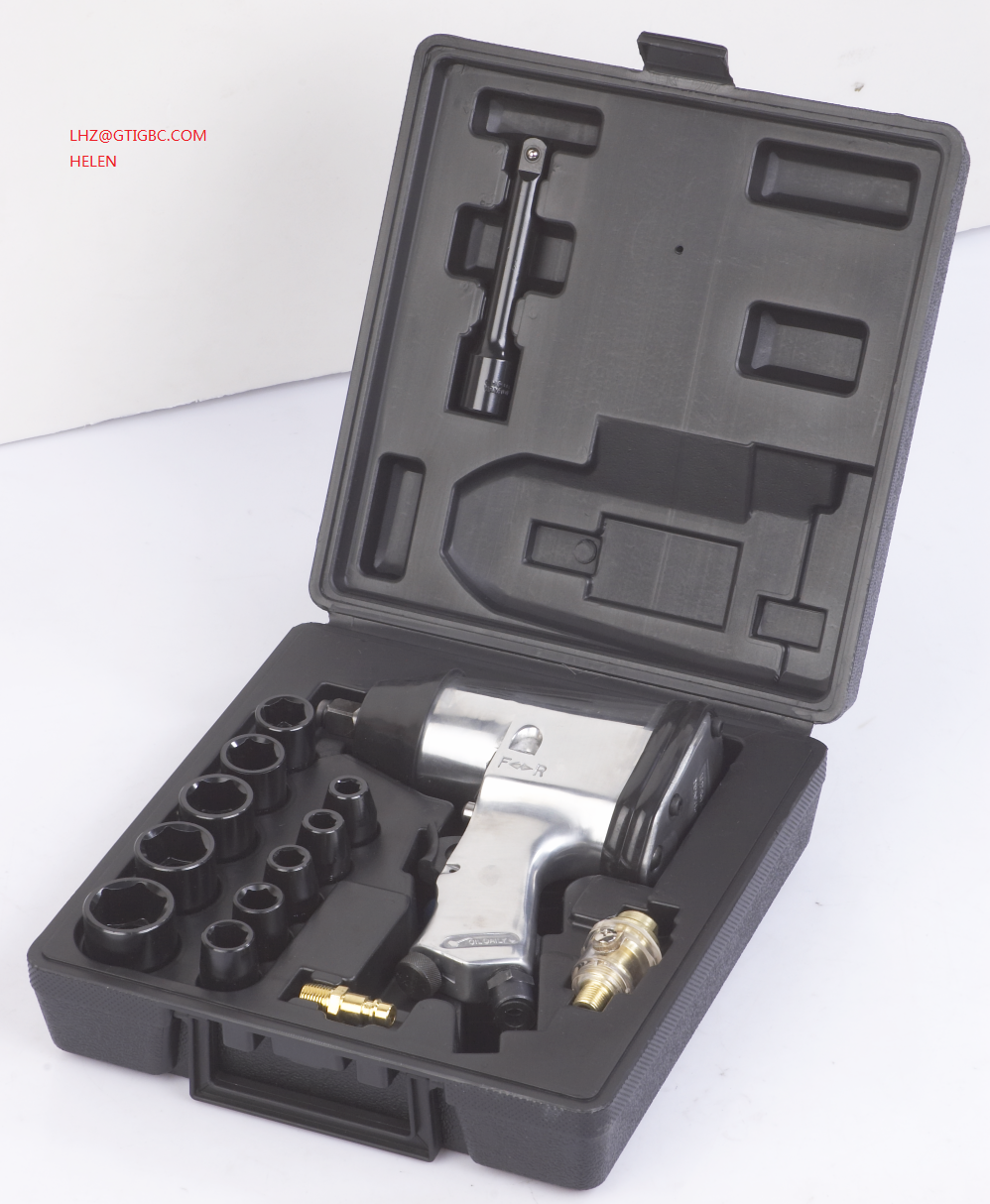
Pneumatic Wrenches
Source high-performance pneumatic wrenches directly from vetted manufacturers and suppliers. Designed for importers, industrial distributors, and brands seeking reliable OEM production, our bulk sourcing solutions ensure consistent torque delivery, durable metallurgy, and factory-direct pricing.
Sourcing pneumatic wrenches at scale requires balancing aggressive pricing with uncompromising durability. Whether you are supplying automotive aftermarket distributors or outfitting industrial assembly lines, the core challenge remains the same: ensuring the internal components—specifically the air motor and impact mechanism—can withstand continuous, high-torque cycles without premature failure or air leakage.
Specifying Performance and Metallurgy
The difference between a consumer-grade tool and a professional pneumatic wrench lies in the metallurgy of the impact mechanism and the precision of the air motor. When negotiating with manufacturers, you must define exact material standards rather than relying on generic "heavy-duty" claims.
The anvil and hammer mechanism must be forged from high-grade alloy steel (such as SNCM439 or 20CrMnTi) and undergo precise carburizing or induction hardening. If the heat treatment is too shallow, the anvil will wear quickly; if it is too brittle, it will shatter under shock loads.
| Specification Area | Standard Commercial | Heavy Industrial |
|---|---|---|
| Anvil Material | Standard Chrome Molybdenum (CrMo) | SNCM439 or 20CrMnTi Alloy Steel |
| Impact Mechanism | Pin Clutch or Single Hammer | Twin Hammer (Forged) |
| Housing Material | Die-cast Aluminum | Magnesium Alloy or Advanced Composite |
| Bearing Quality | Standard Chinese Domestic | NSK, SKF, or premium equivalent |
Need a manufacturing partner capable of meeting strict industrial torque and metallurgy standards?
Talk to our teamManufacturing Tolerances and Quality Control
A pristine composite housing can easily mask poor internal machining. The primary failure points in pneumatic wrenches are air leaks resulting from poorly machined cylinder walls, and shattered anvils due to inconsistent heat treatment.
When evaluating a supplier's production line, it is critical to verify their CNC machining precision and testing infrastructure. We strongly recommend comprehensive Factory Audits to ensure the manufacturer has the necessary testing equipment on-site, such as dynamometers for torque verification, hardness testers for the anvil, and flow meters for CFM consumption.
Critical Pre-Shipment Inspection Points
- Dynamic torque testing to verify the tool meets stated working and maximum torque ratings.
- Free speed (RPM) verification at standard 90 PSI (6.2 bar) operating pressure.
- Air consumption (CFM) measurement under load to ensure compressor compatibility.
- Run-out checks on the anvil to prevent socket wobble and uneven wear.
- Acoustic and vibration testing to ensure compliance with occupational safety standards.
Implementing rigorous Quality Control & Inspection during and after production ensures that issues like faulty O-rings, misaligned rotor blades, or improper lubrication are caught before the container is sealed.
OEM Customization and Private Labeling
For brands looking to differentiate in a crowded market, custom housings (such as lightweight composites or specialized ergonomic grips) and tailored exhaust designs are highly effective. Leveraging professional OEM/ODM Services allows you to specify everything from the trigger sensitivity to the exact decibel output of the muffler system, ensuring the final product aligns perfectly with your brand's market positioning without requiring you to engineer the internal air motor from scratch.
Typical MOQs, Pricing Drivers, and Lead Times
Understanding standard factory terms helps you plan inventory and negotiate effectively. Prices fluctuate based on raw material costs (aluminum, steel) and the specific internal components chosen.
Upgrading from standard bearings to premium Japanese bearings or switching from an aluminum housing to a lightweight composite will incrementally increase the unit cost, but drastically reduce warranty claims and return rates from professional end-users.
Looking to consolidate your pneumatic tool supply chain and negotiate better terms?
Get a free consultationFrequently Asked Questions
Successfully sourcing pneumatic wrenches requires looking past the external finish to rigorously validate the internal metallurgy and machining tolerances. By defining strict technical specifications and maintaining close oversight on the factory floor, you can secure reliable, professional-grade tools that build your brand's reputation.
Get Sourcing Help for Pneumatic Wrenches
Tell us your requirements and our experts will connect you with verified manufacturers.