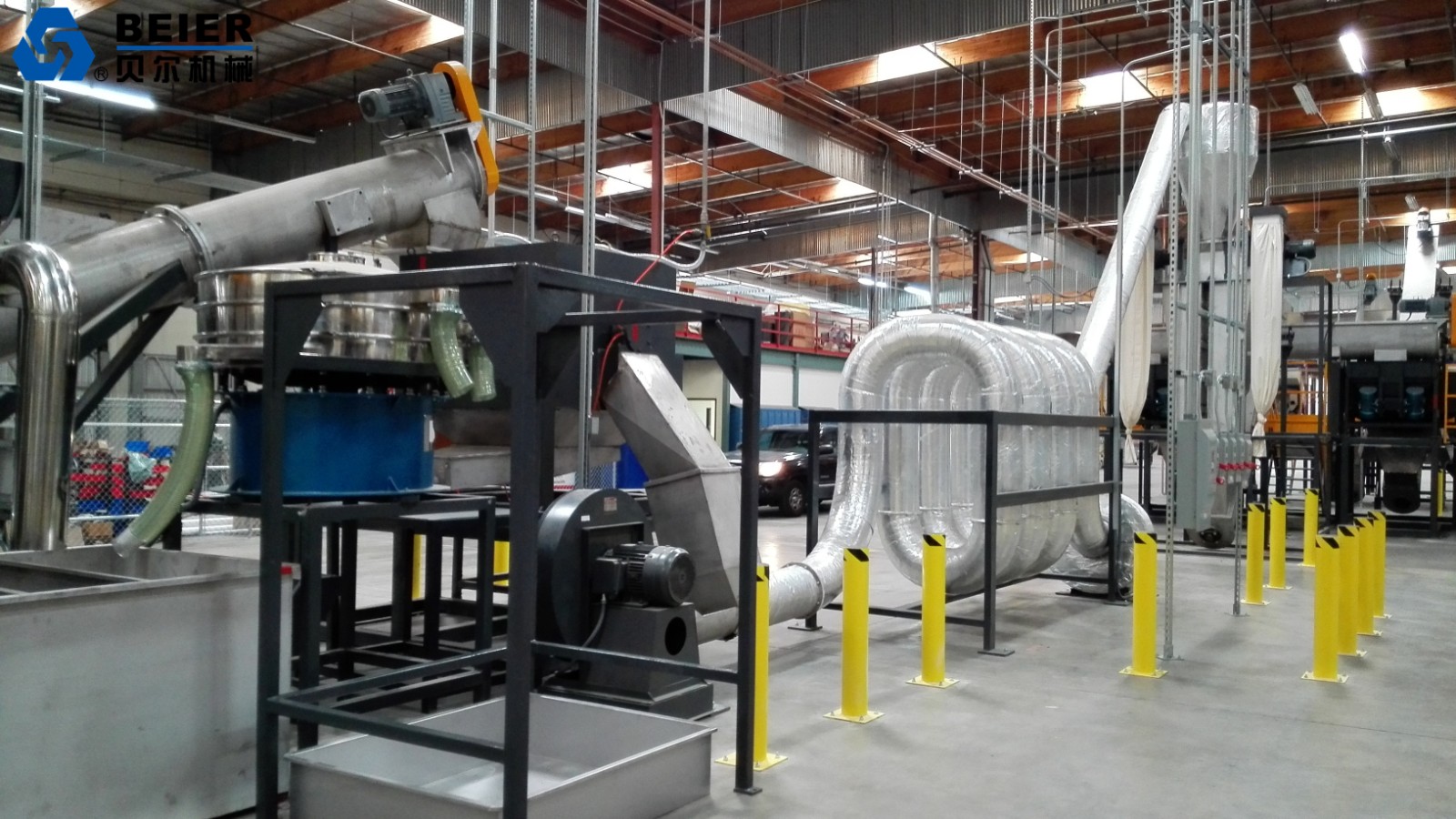
Plastic Washing Lines
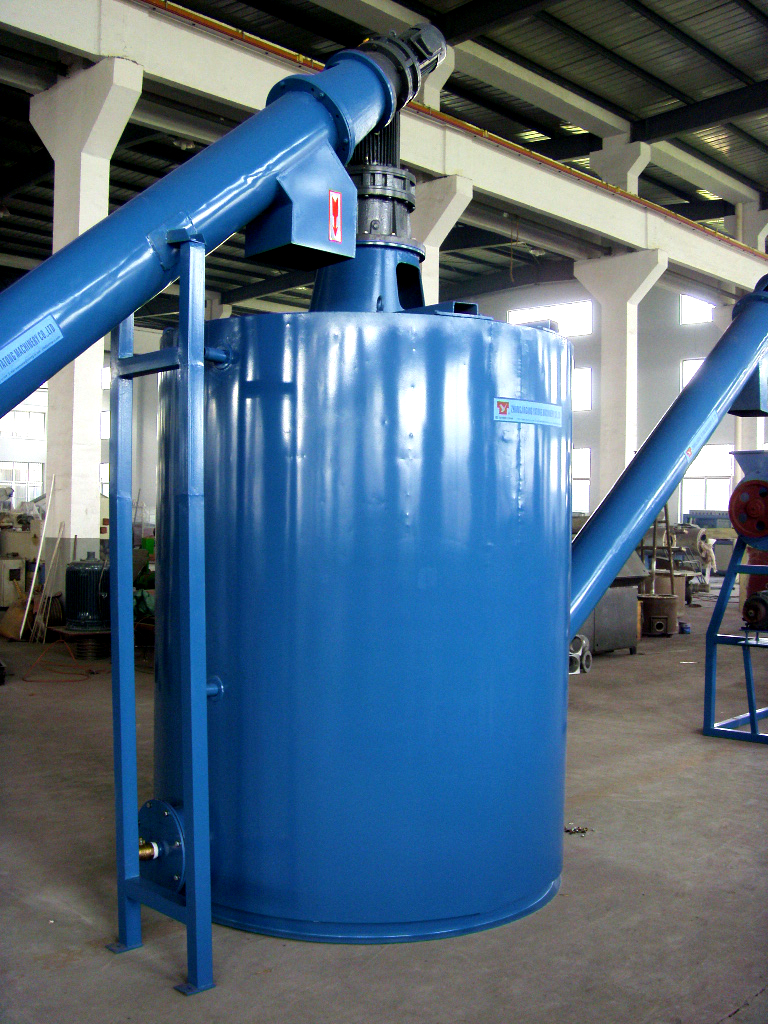
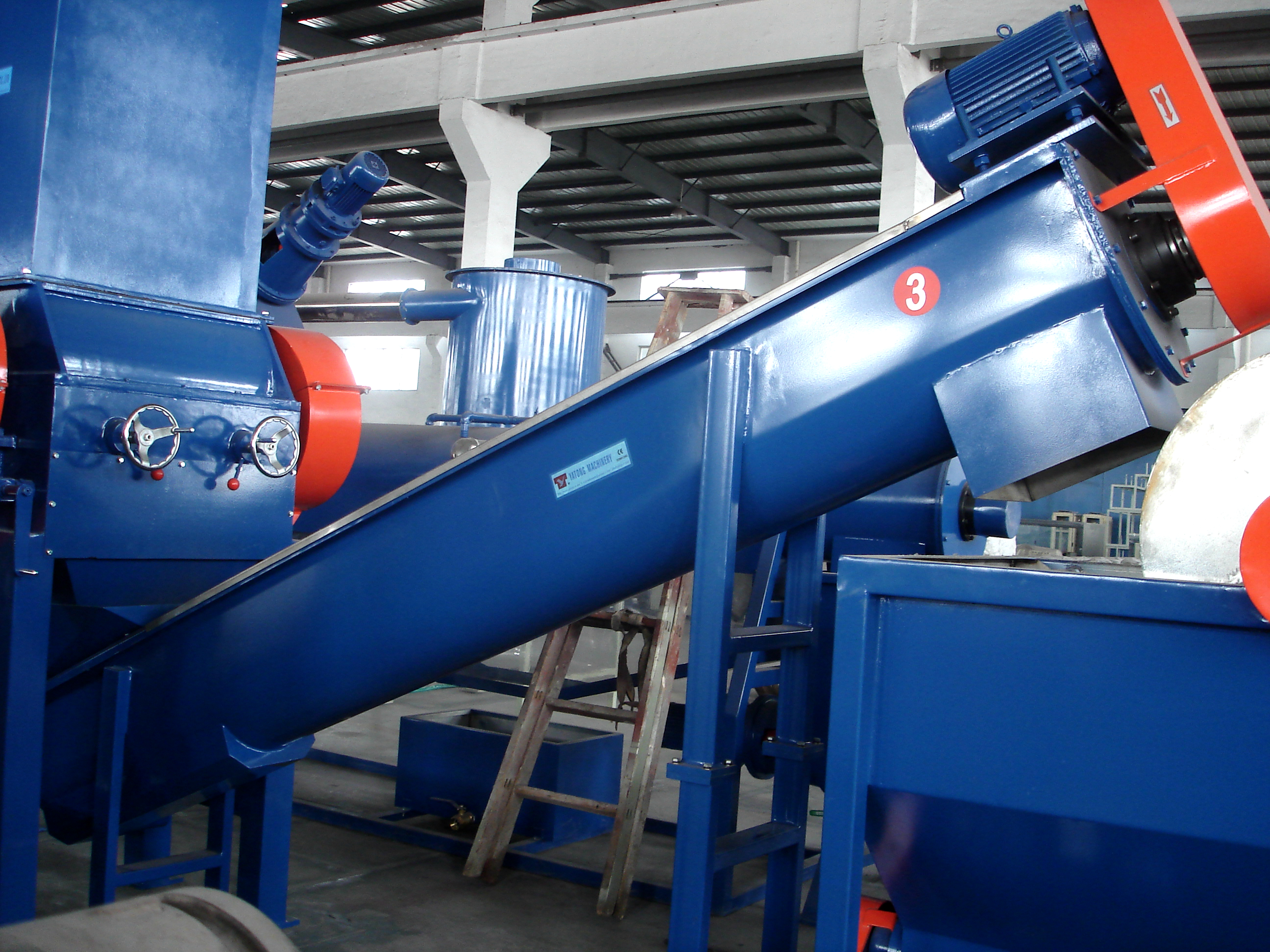
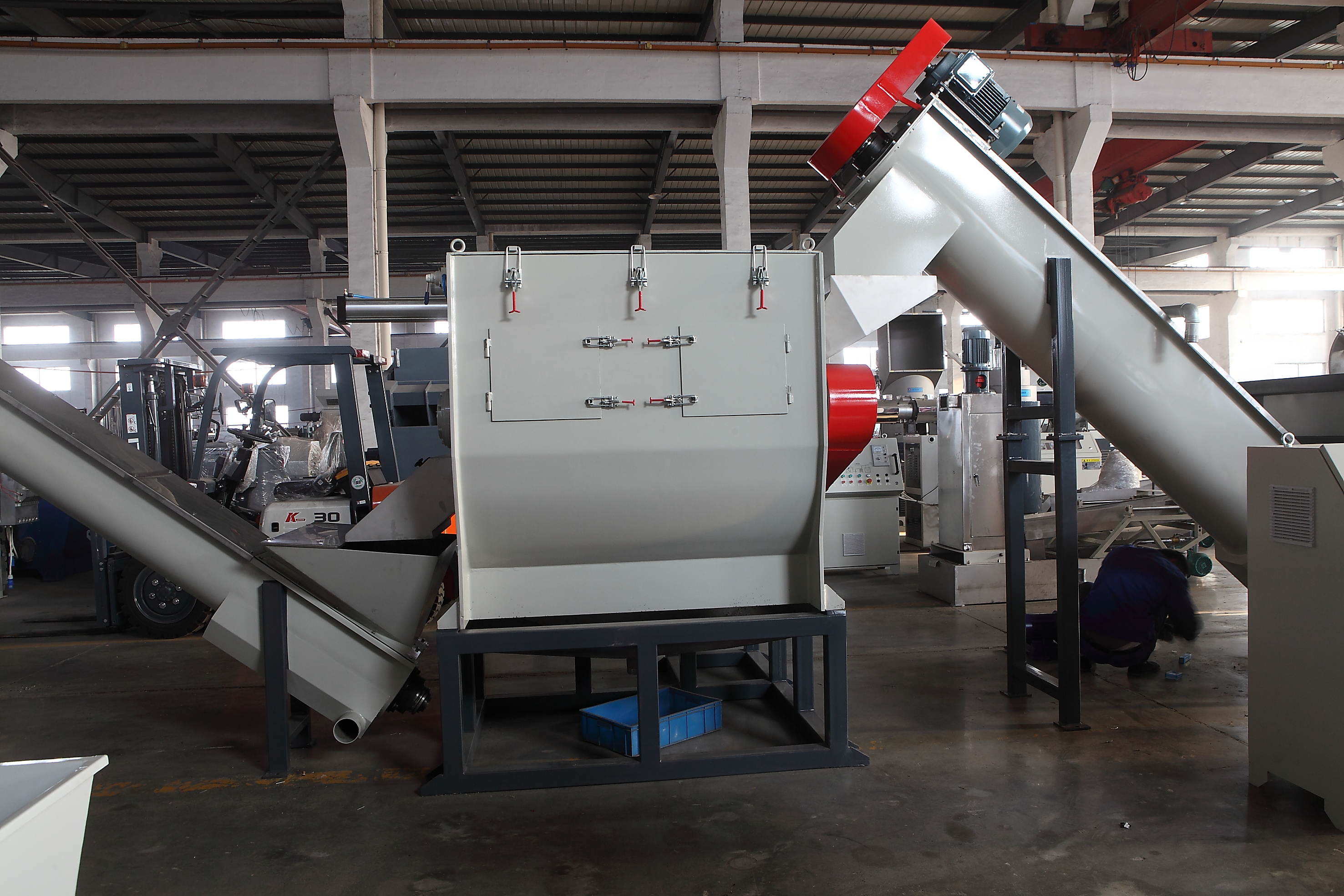
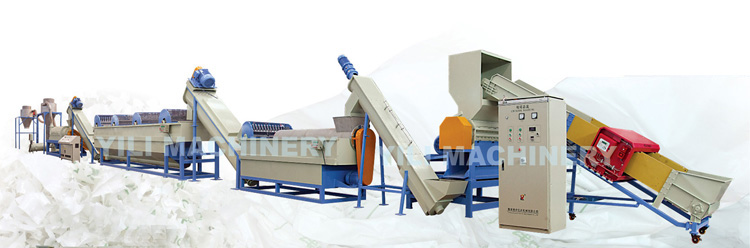
Source industrial plastic washing lines from vetted Chinese manufacturers and suppliers. Designed for recycling facilities, equipment distributors, and industrial procurement managers, these systems offer scalable capacities for PET, PE, and PP processing. Buy direct to secure competitive wholesale pricing and reliable equipment performance.
A plastic washing line is a major capital expenditure where the margin of error is minimal. The core challenge in sourcing these systems internationally isn't finding a willing supplier—it is verifying that the quoted specifications for throughput, water efficiency, and component durability actually align with the factory's engineering reality.
Configuring Line Specifications by Material Type
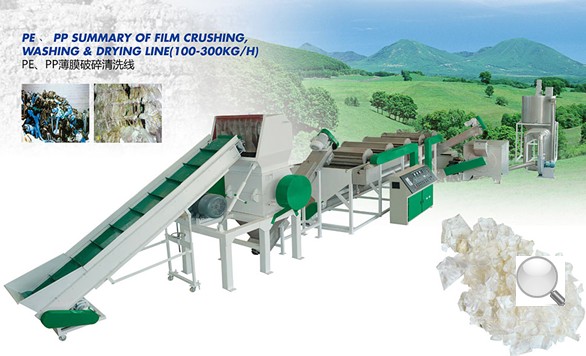
Whether you are processing post-consumer PET bottles, agricultural PE films, or rigid PP battery casings, the input material dictates the line architecture. A PET line requires intensive hot washing, label removal, and friction washing to achieve food-grade or near-food-grade flake purity (often targeting under 50 ppm PVC). Conversely, PE/PP film lines prioritize heavy-duty shredding and specialized squeezing or centrifugal dryers to handle the high moisture retention inherent in flexible materials.
When negotiating with manufacturers, the Bill of Materials (BOM) must be explicitly detailed. Vague specifications lead to substituted components that impact long-term reliability.
| Component | Standard Configuration | Premium / Heavy-Duty Configuration |
|---|---|---|
| Motors & Drives | Domestic Chinese brands | Siemens, ABB, or WEG |
| Water-Contact Steel | SUS201 or painted carbon steel | SUS304 or SUS316L stainless steel |
| Electrical Controls | Manual relay panels | Siemens/Omron PLC with HMI touchscreens |
| Bearing Housings | Internal, basic seals | External outboard bearings with multi-labyrinth seals |
Need help verifying a machinery supplier's engineering capabilities? Merhein provides technical sourcing and factory vetting for industrial recycling equipment.
Talk to our teamFactory-Level Quality and Common Failure Points
Industrial washing lines operate in brutal environments combining water, abrasive dirt, and high mechanical stress. When sourcing from overseas manufacturers, the difference between a machine that lasts ten years and one that fails in ten months usually comes down to hidden structural choices.
Water ingress is the leading cause of premature failure in friction washers and crushers. If a manufacturer does not use outboard bearing housings, contaminated water will inevitably penetrate the bearing seals, causing catastrophic failure. Furthermore, many suppliers will quote "stainless steel" without specifying the grade. Conducting rigorous Factory Audits before placing a deposit is critical to ensure the supplier actually utilizes SUS304 for all water-contact areas, rather than cost-cutting with SUS201, which will rust rapidly in a wet, high-friction environment.
Critical Pre-Shipment Inspection Points
- Verify motor and inverter nameplates match the agreed Bill of Materials (BOM).
- Check material thickness on sink-float tanks (typically 3mm to 5mm required).
- Confirm bearing housing design on all wet crushers and friction washers.
- Test PLC safety interlocks and emergency stop functionality.
- Conduct a dry run to measure vibration and noise levels on granulators.
Pricing, Lead Times, and Shipping Logistics
Procuring heavy recycling machinery requires careful capital and timeline planning. MOQs are universally set at one complete line, though individual components (like a standalone trommel or zigzag classifier) can sometimes be purchased separately for plant upgrades.
Pricing is highly variable based on throughput capacity (kg/h) and automation level. A basic 500 kg/h PE film line might start at a lower price point, while a fully automated 3,000 kg/h PET hot-wash line with optical sorting integration requires a significantly larger capital investment.
Because these lines consist of multiple oversized components, Shipping & Freight logistics are complex. A complete 1,000 kg/h line typically requires two to three 40-foot High Cube (HQ) containers. Oversized sink-float tanks or massive trommels may even necessitate Flat Rack or Open Top containers, which significantly impacts freight costs. Furthermore, running a comprehensive Factory Acceptance Test (FAT) via professional Quality Control & Inspection before the machinery is disassembled and crated is non-negotiable.
Managing heavy machinery procurement, FAT, and complex freight? Let Merhein handle the end-to-end sourcing and logistics.
Get a free consultationFrequently Asked Questions
When investing in a plastic washing line, the upfront equipment cost is only a fraction of the total cost of ownership. Unplanned downtime, excessive power consumption, and poor final flake quality will quickly erase any savings gained by choosing the cheapest supplier. By enforcing strict component specifications and conducting rigorous pre-shipment testing, buyers can secure reliable, high-yield recycling infrastructure.
Get Sourcing Help for Plastic Washing Lines
Tell us your requirements and our experts will connect you with verified manufacturers.