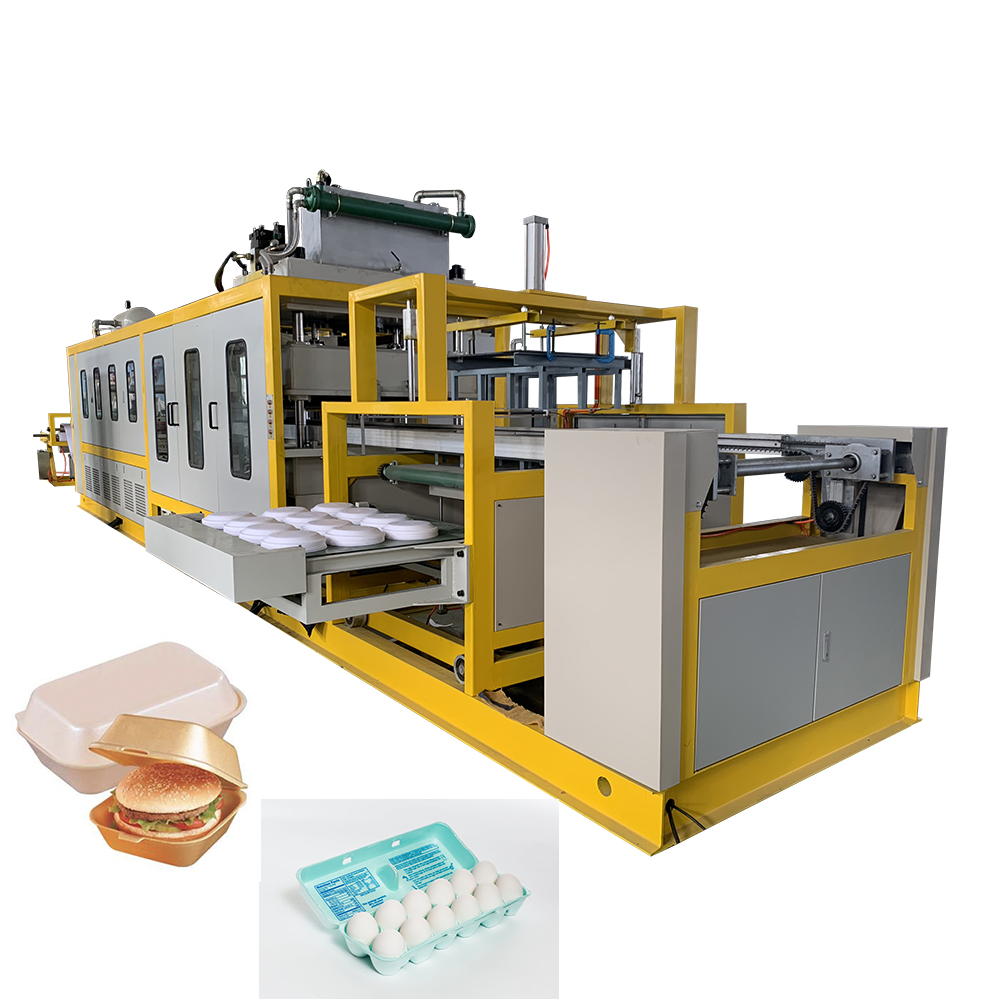
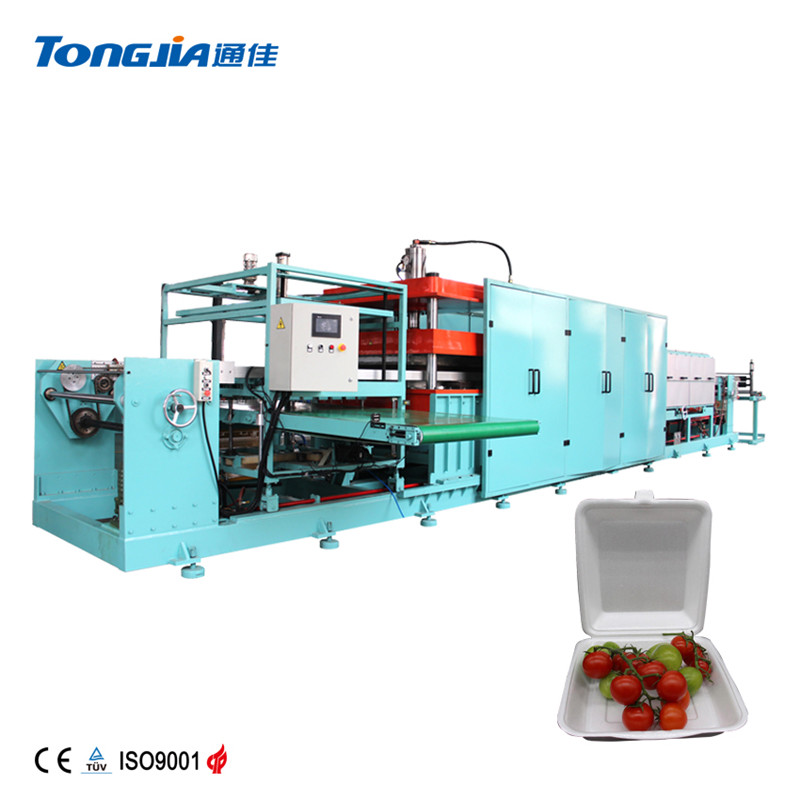
Plastic Vacuum Forming Machines
Source industrial-grade Plastic Vacuum Forming Machines from vetted manufacturers and suppliers in China and across Asia. Designed for importers, distributors, and manufacturing brands, our wholesale network offers reliable equipment for packaging, automotive, and consumer goods production at competitive factory-direct pricing.
Sourcing industrial plastic vacuum forming machines requires balancing production speed, heating precision, and equipment longevity. Whether you are outfitting a high-volume packaging facility or producing large-scale automotive components, selecting the right machinery means navigating complex technical specifications and verifying the integration capabilities of overseas manufacturers. The difference between a reliable production asset and a maintenance liability lies in the quality of core components and the precision of the factory's assembly process.
Critical Specifications for Vacuum Forming Equipment
When procuring vacuum forming machinery, generic specifications will result in equipment that underperforms. You must define exact parameters based on the material type (PET, PVC, PS, ABS), sheet thickness, and required cycle times.
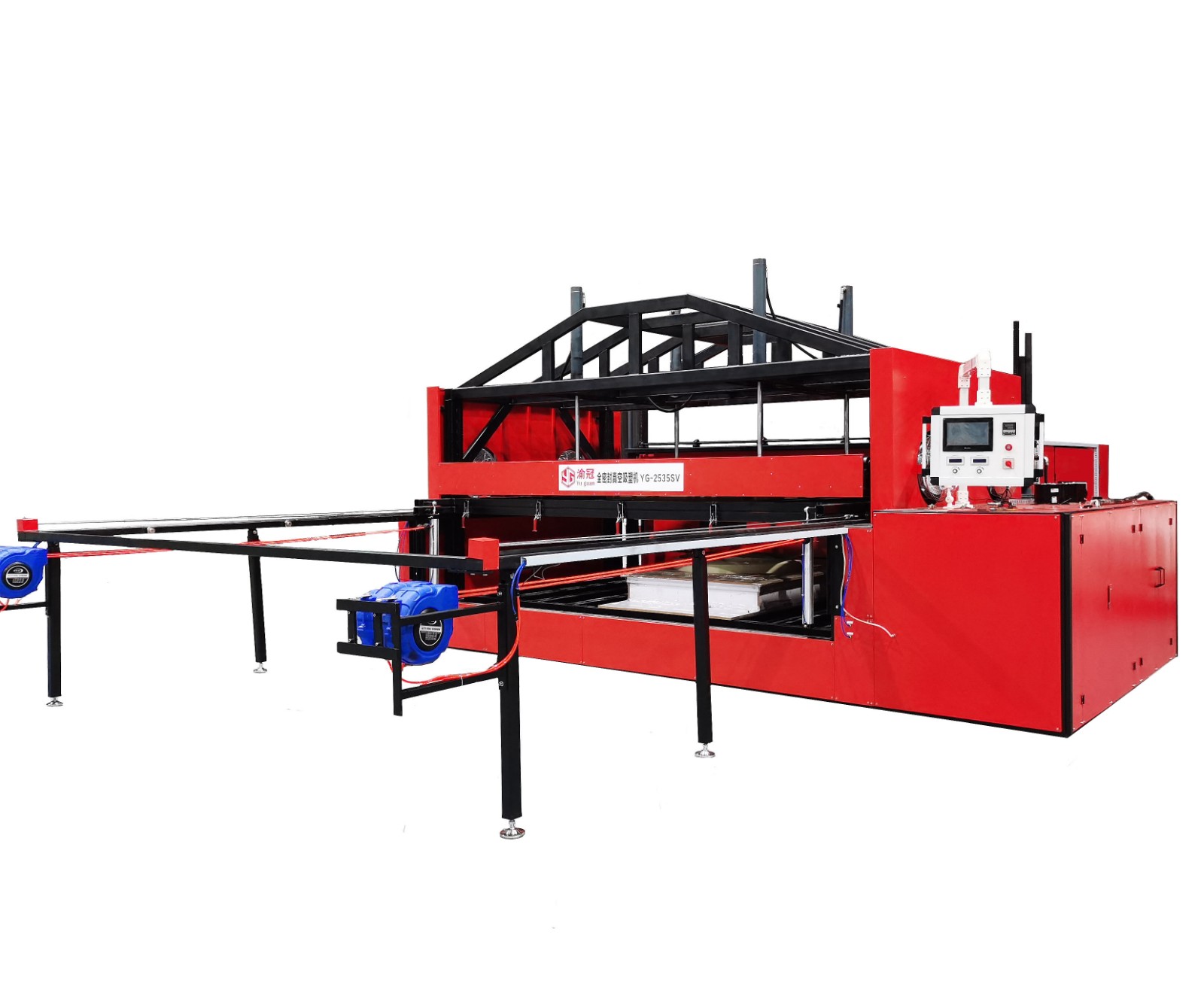
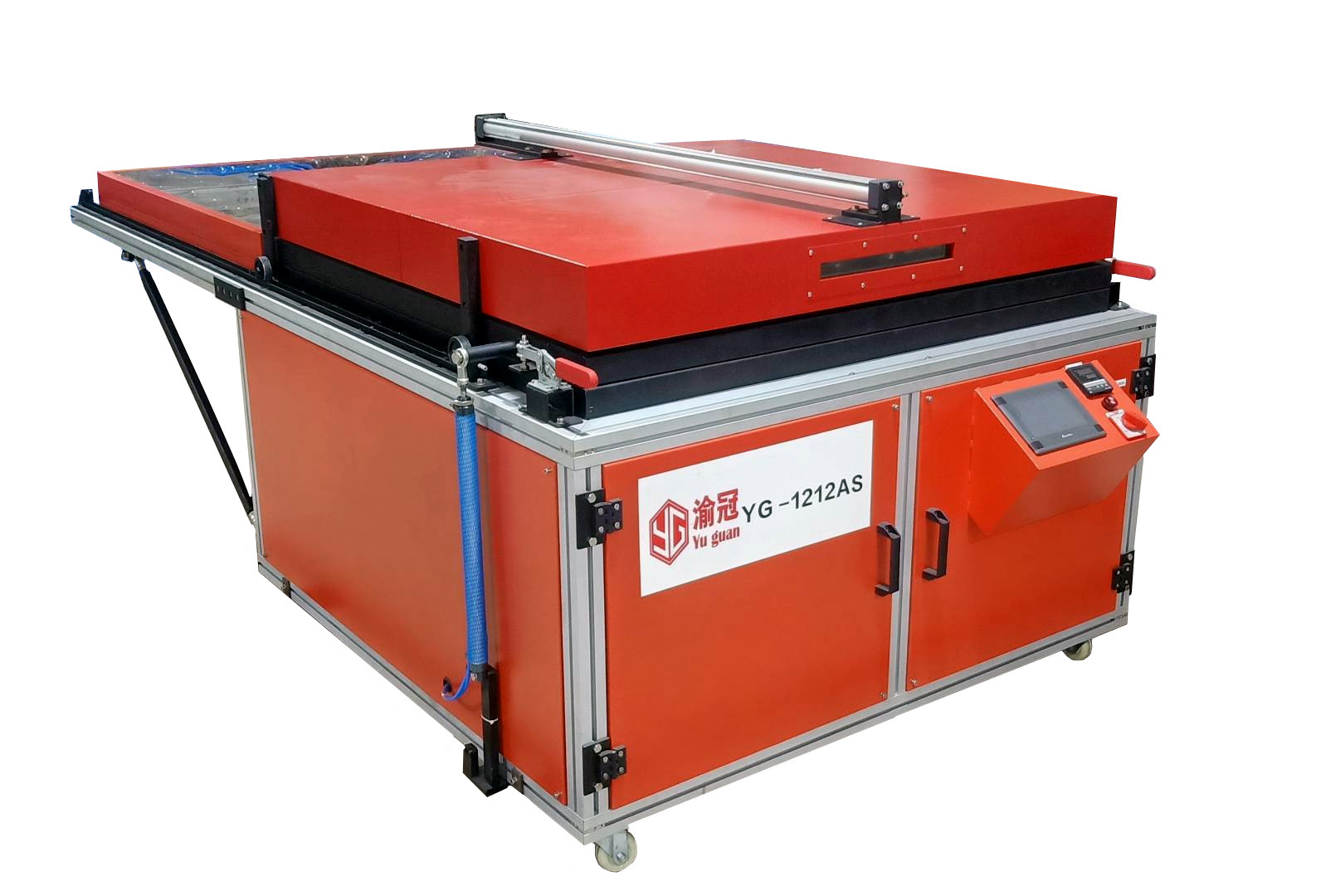
- Forming Area and Draw Depth: The maximum forming area (width by length) dictates your mold capacity, but the maximum draw depth is equally critical. Deep-draw applications require specialized plug-assist mechanisms to prevent material thinning.
- Heating Zone Configuration: Advanced machines divide the heating platen into multiple independently controlled zones. This allows for precise temperature profiling across the sheet, which is essential for complex molds or materials with narrow processing temperature windows.
- Vacuum Pump Capacity: Measured in cubic meters per hour, the vacuum pump dictates how quickly and forcefully the heated plastic is pulled against the mold. Undersized pumps lead to poor detail replication and longer cycle times.
| Heater Technology | Response Time | Energy Efficiency | Ideal Application |
|---|---|---|---|
| Ceramic Infrared | Slow | High | Thick-gauge industrial parts |
| Quartz / Halogen | Fast | Medium | Thin-gauge blister packaging |
Need help verifying technical specifications and supplier capabilities? Ensure your machinery meets exact production requirements with our on-site factory verification.
Talk to our teamComponent Quality and Factory-Level Verification
China is home to hundreds of machinery manufacturers, ranging from top-tier automated equipment builders to small workshops assembling off-the-shelf parts. Quality is won or lost in the bill of materials (BOM) and the structural integrity of the machine frame. High clamping forces require heavy-duty steel frames; insufficient rigidity will cause the machine to flex during operation, leading to uneven wall thicknesses in the final product.
Before committing to a supplier, professional buyers utilize Factory Audits to verify the manufacturer's in-house machining capabilities and component sourcing. Pay close attention to the brands used for programmable logic controllers (PLCs), servo motors, and pneumatics. A machine utilizing internationally recognized brands (like Siemens, Delta, or Festo) will be significantly easier to maintain and source replacement parts for than one using proprietary or regional components.
Pre-Shipment Inspection Points for Forming Machines
- Verify PLC software language options (ensure English is fully supported and properly translated).
- Test heating zone uniformity using thermal imaging during a dry run.
- Inspect the structural welds and frame rigidity under maximum clamping pressure.
- Confirm the vacuum pump brand and capacity matches the agreed-upon BOM.
- Run a continuous cycle test (minimum 4 hours) to check for pneumatic or hydraulic leaks.
Executing comprehensive Quality Control & Inspection prior to container loading is non-negotiable. Once a multi-ton machine arrives at your facility, rectifying wiring faults or software bugs is exceptionally costly.
Pricing Drivers, Lead Times, and Logistics
Industrial machinery procurement operates on different mechanics than standard consumer goods. Minimum Order Quantities (MOQs) are typically a single unit, but the customization required means lead times are substantial.
Pricing is heavily influenced by the level of automation. A standalone, manually fed thick-gauge forming machine will cost a fraction of a fully automated, inline roll-fed system with integrated cutting and stacking stations.
Furthermore, transporting these machines requires specialized logistics. Large format machines often exceed standard container dimensions, necessitating Open Top or Flat Rack containers. Coordinating Shipping & Freight for oversized industrial equipment involves securing proper rigging, moisture-barrier packaging, and managing complex customs documentation to avoid port delays.
Managing heavy machinery logistics and customs clearance? Streamline your equipment import with our end-to-end freight and supply chain management.
Get a free consultationFrequently Asked Questions
When investing in plastic vacuum forming machines, the initial purchase price is only a fraction of the total cost of ownership. Prioritizing component quality, rigorous factory vetting, and meticulous pre-shipment testing ensures your equipment delivers consistent, profitable production cycles rather than costly operational delays.
Get Sourcing Help for Plastic Vacuum Forming Machines
Tell us your requirements and our experts will connect you with verified manufacturers.