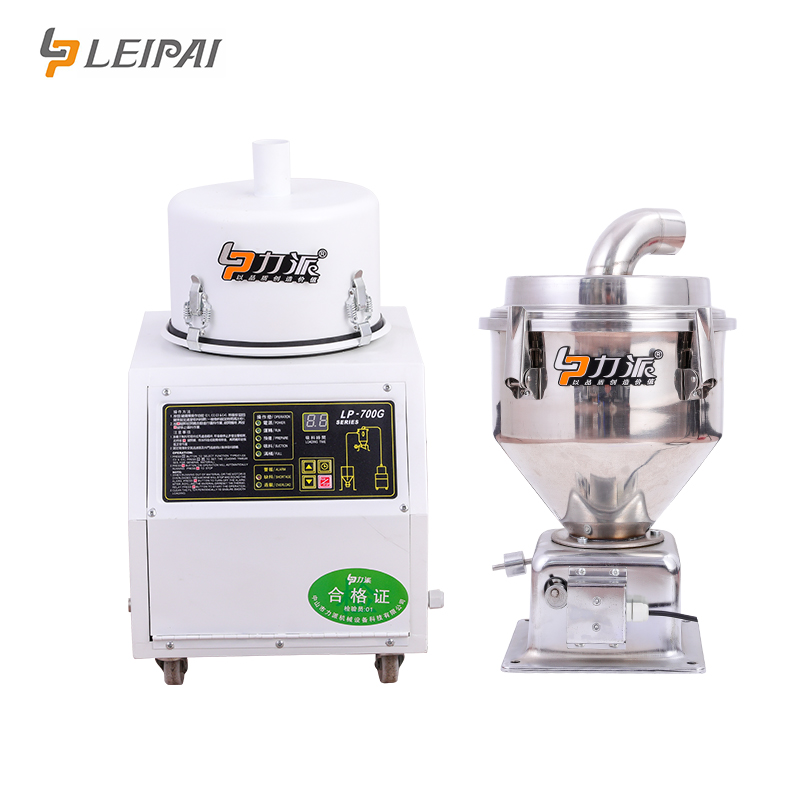
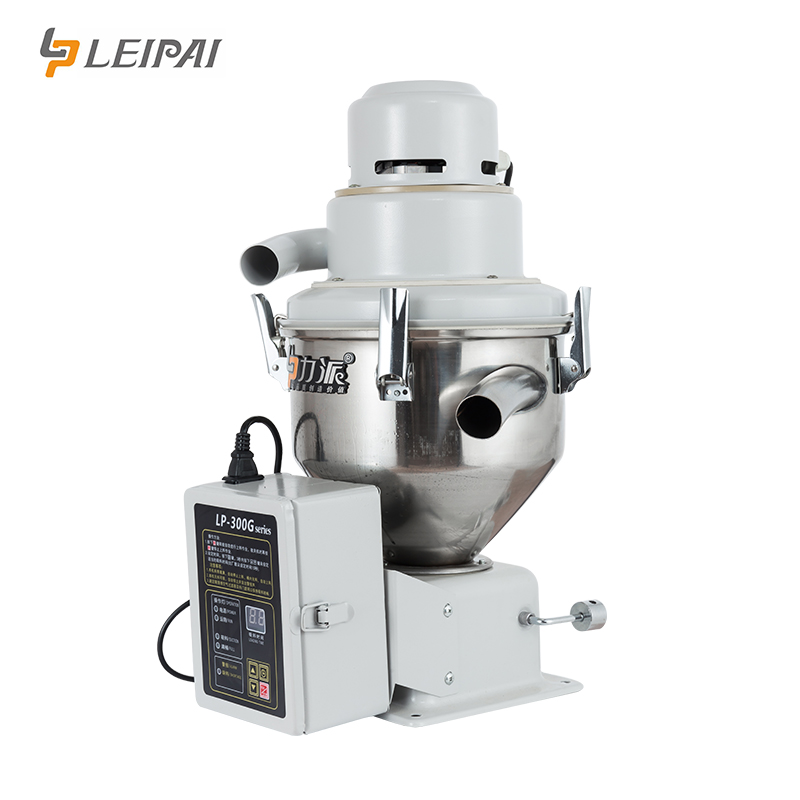
Plastic Loaders
Source high-performance plastic loaders from vetted manufacturers and suppliers. Designed for importers, machinery distributors, and brands seeking reliable OEM production, our network provides bulk access to industrial vacuum auto-loaders. Secure competitive pricing and verified factory quality.
Sourcing vacuum auto-loaders for plastic processing requires strict attention to motor durability, filtration efficiency, and electrical compatibility. Whether you are supplying injection molding facilities, outfitting an extrusion plant, or distributing auxiliary equipment wholesale, reliable material conveying is non-negotiable. Equipment failure at the loading stage halts the entire production line.
Procuring these machines in volume means navigating a fragmented supplier base where outward appearances are identical, but internal component quality varies wildly. Success depends on specifying the right technical parameters and verifying factory assembly standards before the container is loaded.
Core Specifications to Define
When negotiating with manufacturers, vague specifications lead to underperforming equipment. You must define the exact operational parameters your target market requires.
| Loader Type | Motor Placement | Typical Capacity | Best Application |
|---|---|---|---|
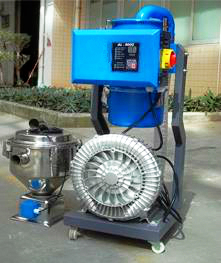
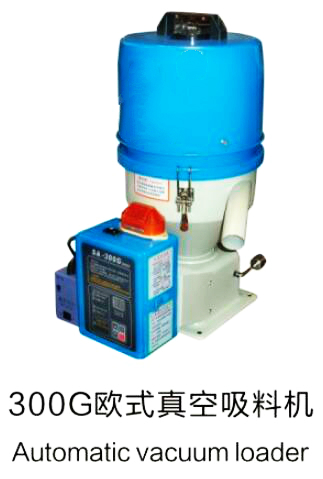
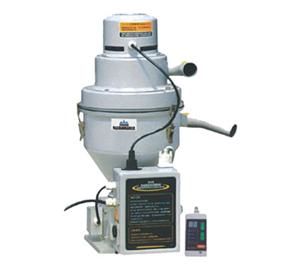
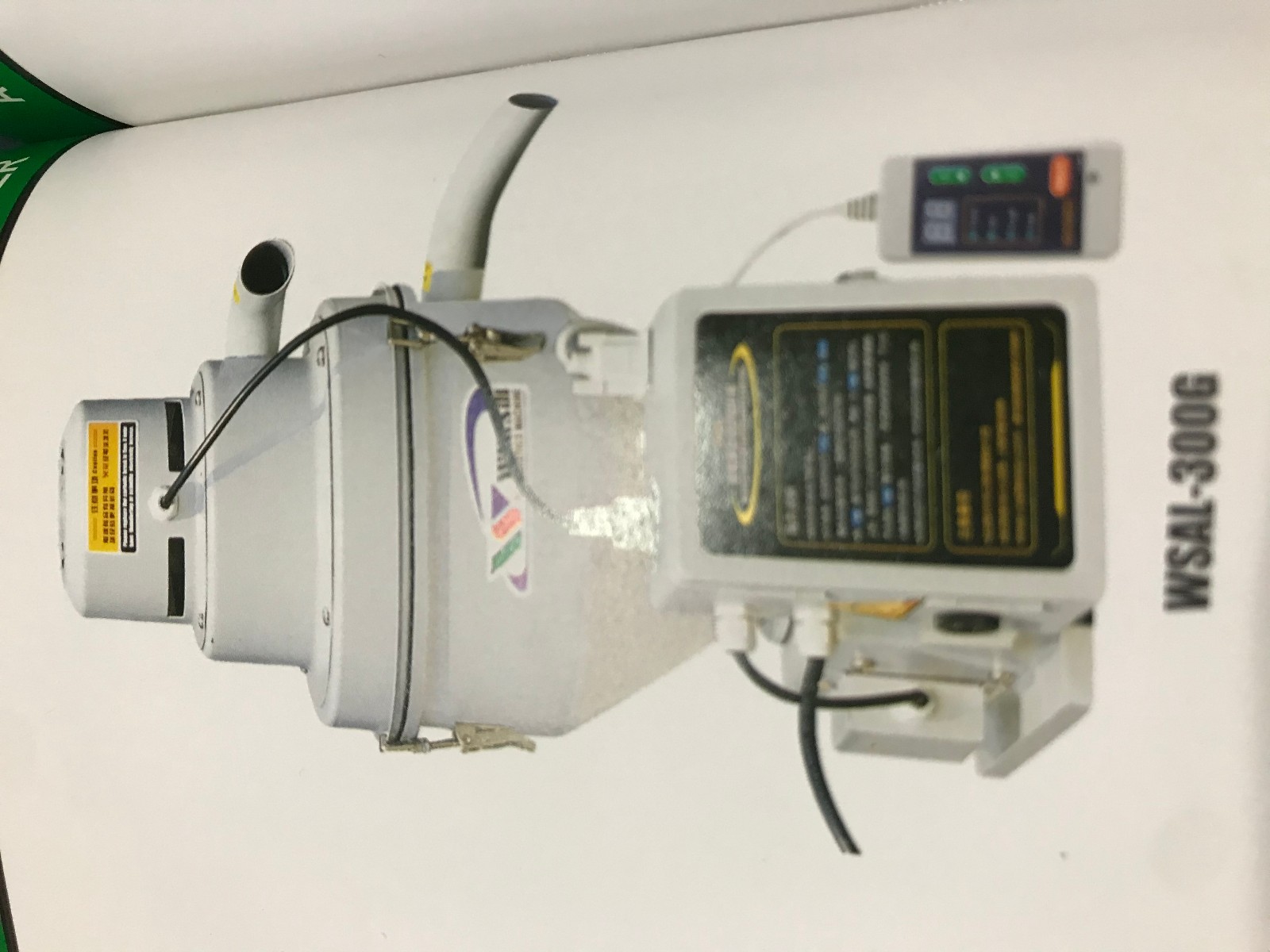
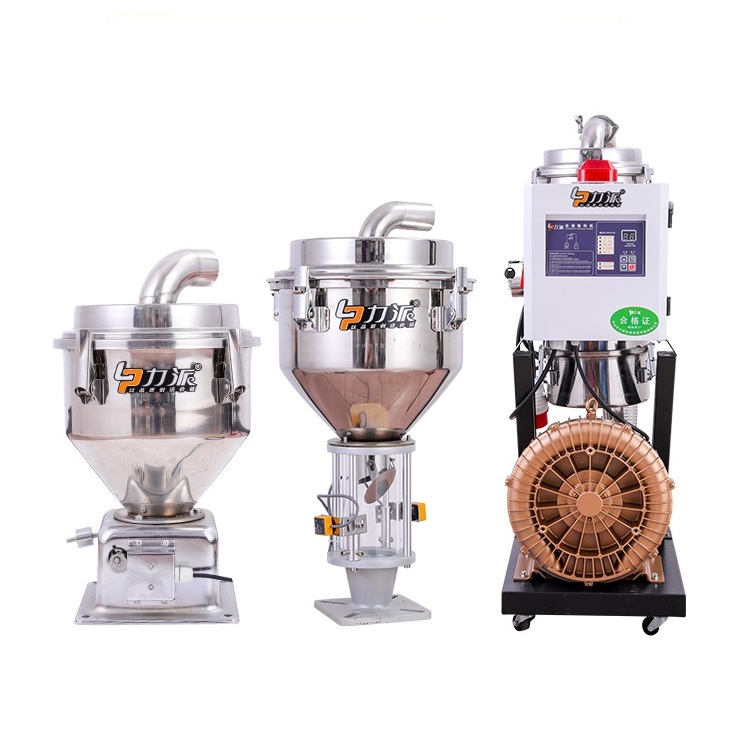
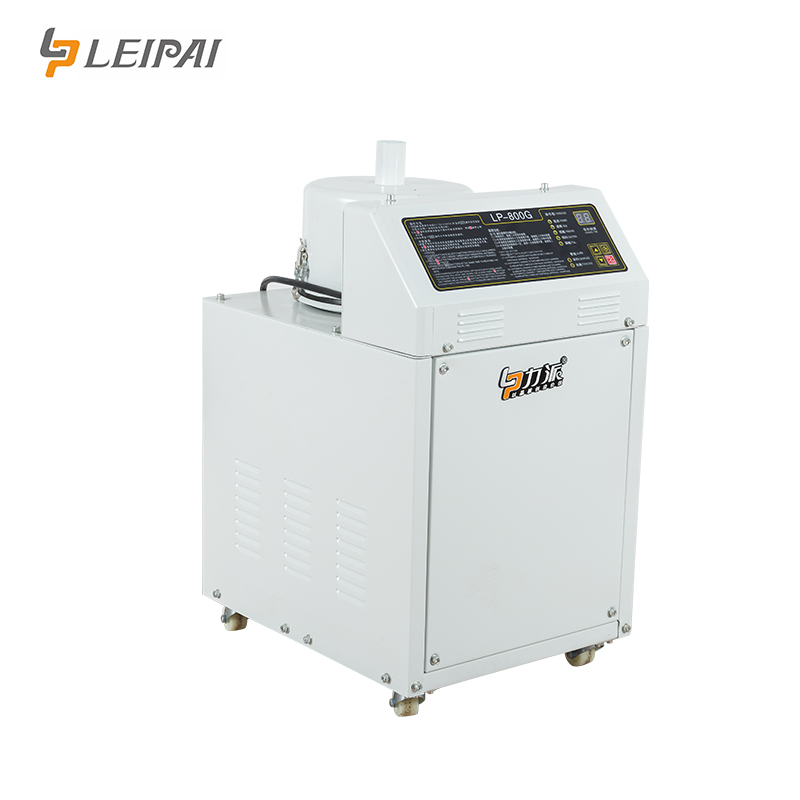
| Self-Contained Loaders | On top of hopper | Up to 300 kg/hr | Single machines, short distance conveying |
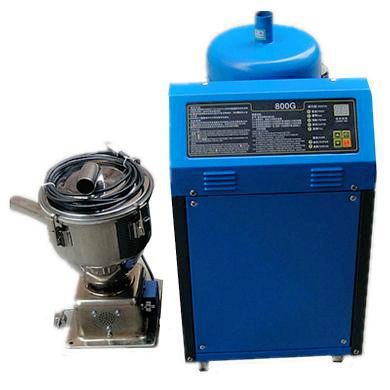
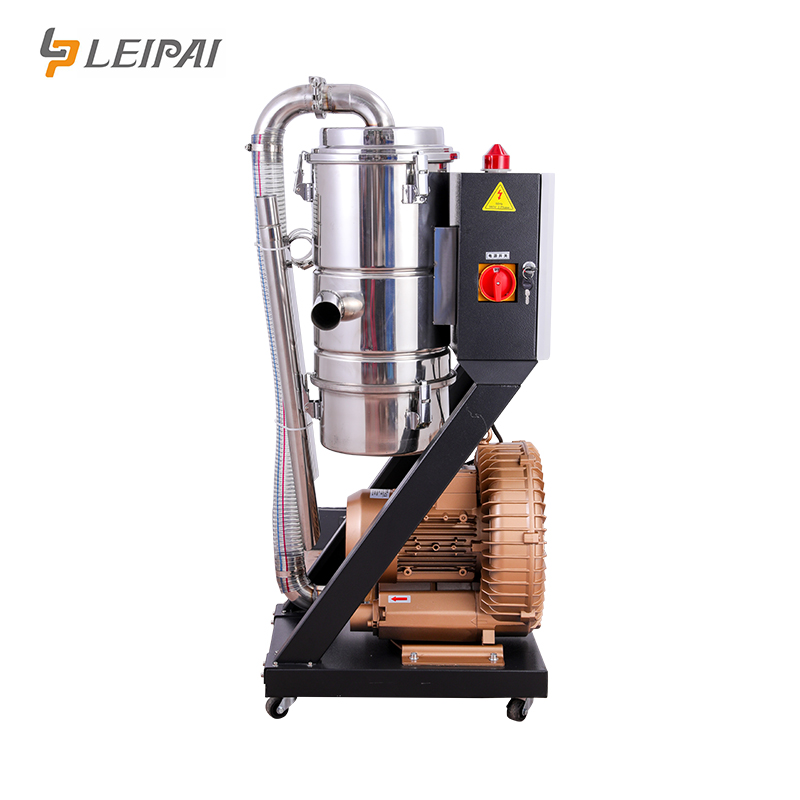
| Separate Vacuum Loaders | Floor-mounted base | 300 to 2000+ kg/hr | Centralized systems, long distance, high volume |
| Powder Loaders | Floor-mounted with blowback | 100 to 1000 kg/hr | PVC powder, dusty regrind materials |
Beyond the basic type, your purchase orders must explicitly state:
- Motor Type: Carbon brush motors are common in lightweight, self-contained units but require maintenance. Three-phase induction motors (blower type) are mandatory for heavy-duty, separate loaders.
- Electrical Standards: Industrial machinery must match the destination country's grid. Specify voltage (e.g., 220V, 380V, 415V, 460V) and frequency (50Hz or 60Hz). A 50Hz motor running on a 60Hz grid will overheat and fail prematurely.
- Filtration System: Standard cloth filters clog quickly with dusty regrind. Specify pleated cartridge filters with compressed air blow-back cleaning for demanding applications.
Struggling to find manufacturers that meet strict electrical and motor specifications? Let us vet the supply base for you.
Talk to our sourcing teamManufacturing Quality & Defect Prevention
The difference between a premium plastic loader and a budget unit that burns out within months lies in the internal components and assembly precision. Many suppliers cut costs where buyers cannot immediately see them.
Conducting thorough factory audits is critical to ensure the supplier actually machines their own hoppers and tests their control boards, rather than just assembling cheap outsourced parts in a shed.
Critical Quality Control Checks for Plastic Loaders
- Hopper Material: Verify SUS304 stainless steel is used, not cheaper 201 series which will rust over time.
- Sensor Reliability: Check the magnetic reed switches or photoelectric sensors for accurate material-level detection.
- Motor Origin: Identify the motor brand. High-end units often use European or Taiwanese blowers; budget units use unbranded local motors.
- Control Board: Ensure the PCB is isolated from vibration and heat, with clear error-code displays for troubleshooting.
- Vacuum Seals: Inspect the hopper lid and discharge flap gaskets. Air leaks drastically reduce conveying capacity.
Implementing robust quality control before shipment ensures that every unit is powered on, vacuum pressure is tested, and electrical safety parameters are verified.
Pricing, MOQs, and Lead Times
Because plastic loaders are auxiliary machinery, pricing and minimum order quantities (MOQs) operate differently than consumer goods.
Pricing is driven heavily by the motor capacity, the grade of stainless steel, and the sophistication of the microprocessor controller. Upgrading from a standard cloth filter to an automated reverse-air cleaning system will increase the unit cost but significantly reduce maintenance complaints from your end-users.
When planning your landed costs, remember that separate vacuum loaders are bulky. Efficient packing and expert shipping and freight consolidation are necessary to optimize container space and keep per-unit freight costs manageable.
Need to consolidate auxiliary machinery from multiple factories into a single shipment? We handle end-to-end logistics.
Get a free consultationBuyer FAQ
Sourcing reliable plastic loaders requires looking past the outer casing to evaluate the heart of the machine: the motor, the seals, and the control logic. By partnering with vetted manufacturers who prioritize component quality over aggressive cost-cutting, you can supply equipment that keeps your clients' production lines running continuously.
Get Sourcing Help for Plastic Loaders
Tell us your requirements and our experts will connect you with verified manufacturers.