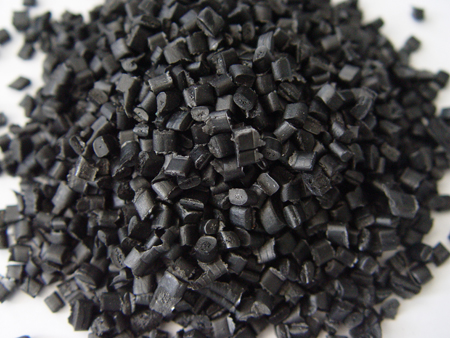
Plastic Granulators
Source industrial-grade Plastic Granulators directly from vetted manufacturers and suppliers in Asia. Built for recycling facilities and manufacturing plants, this category serves importers, wholesalers, distributors, and brands requiring reliable high-volume production, competitive pricing, and full OEM customization.
Sourcing plastic granulators (also known as crushers or grinders) requires precisely matching rotor design, cutting geometry, and motor capacity to the specific polymer density and form factor your clients intend to process. Whether handling heavy purgings, thin films, PET bottles, or injection molding sprues, the primary challenge is not simply finding a supplier. It is identifying a manufacturer that utilizes high-grade tool steel for the cutting chamber, specifies reliable electrical components, and maintains the machining tolerances necessary to prevent catastrophic vibration under continuous industrial loads.
Core Specifications and Rotor Configurations
The heart of any granulator is its cutting chamber. When negotiating with suppliers, specifying the correct rotor and blade configuration is critical for achieving the desired throughput (kg/hr) and regrind quality (minimizing dust and fines).
| Configuration | Best For | Key Characteristic |
|---|---|---|
| Open Rotor (V-Cut) | Heat-sensitive plastics, hollow parts | Maximum airflow, scissor-like cutting action |
| Solid/Closed Rotor | Heavy purgings, thick-walled parts | High inertia, impact resistance |
| Staggered/Claw Rotor | Lumps, thick blocks, sprues | High torque, bite-sized cutting |
Beyond the rotor type, buyers must specify the screen hole diameter (typically 6mm to 12mm for standard regrind) and the motor power (kW or HP). Underspecifying the motor to hit a lower price point is a common trap that leads to frequent jamming and premature motor failure.
Need help matching granulator specifications to your client's exact processing requirements or vetting a factory's engineering capabilities?
Talk to our technical teamManufacturing Quality and Component Sourcing
The difference between a granulator that operates reliably for a decade and one that vibrates itself apart in six months comes down to component selection and factory-level quality control. Many low-cost suppliers cut corners on the steel grade and the bearings.
Critical Components to Specify
- Blade Material: Demand SKD-11, D2, or 9CrSi tool steel, heat-treated to HRC 58-62 for wear resistance.
- Bearings: Specify heavy-duty, oversized bearings from recognized brands (e.g., SKF, NSK, or FAG) mounted outboard of the cutting chamber to prevent contamination.
- Electrical Contactors: Ensure control panels use internationally recognized components (Siemens, Schneider, or ABB) to prevent electrical fires and ensure CE/UL compliance.
- Soundproofing: For beside-the-press models, verify the thickness of the acoustic enclosure and the quality of the damping materials.
Verifying these components requires more than just reading a spec sheet. Conducting thorough Factory Audits is essential to confirm the supplier's CNC machining capabilities and ensure they aren't outsourcing the critical rotor balancing process to substandard third-party workshops.
Pricing, MOQs, and Production Lead Times
Because plastic granulators are heavy industrial capital equipment, the purchasing dynamics differ significantly from consumer goods.
Pricing is heavily dependent on the motor size (kW rating) and the integration of automated feed/discharge systems (e.g., blower systems and cyclone silos). When importing these machines, coordinating the logistics is critical. Given their weight and footprint, optimizing container space and managing the Shipping & Freight properly can significantly reduce your landed cost per unit. Furthermore, implementing rigorous Quality Control & Inspection (specifically Factory Acceptance Testing and run-off tests with actual plastic scrap) before the equipment leaves the factory is non-negotiable.
Managing complex machinery procurement, factory acceptance testing, and heavy freight logistics? Let our experts secure your supply chain.
Get a free consultationFrequently Asked Questions
Procuring plastic granulators at scale requires rigorous vetting of the manufacturer's engineering capabilities, component supply chain, and quality control processes. Focusing on factories that can prove their machining tolerances and electrical safety standards will protect your investment and your clients' operations.
Get Sourcing Help for Plastic Granulators
Tell us your requirements and our experts will connect you with verified manufacturers.