Plastic Film
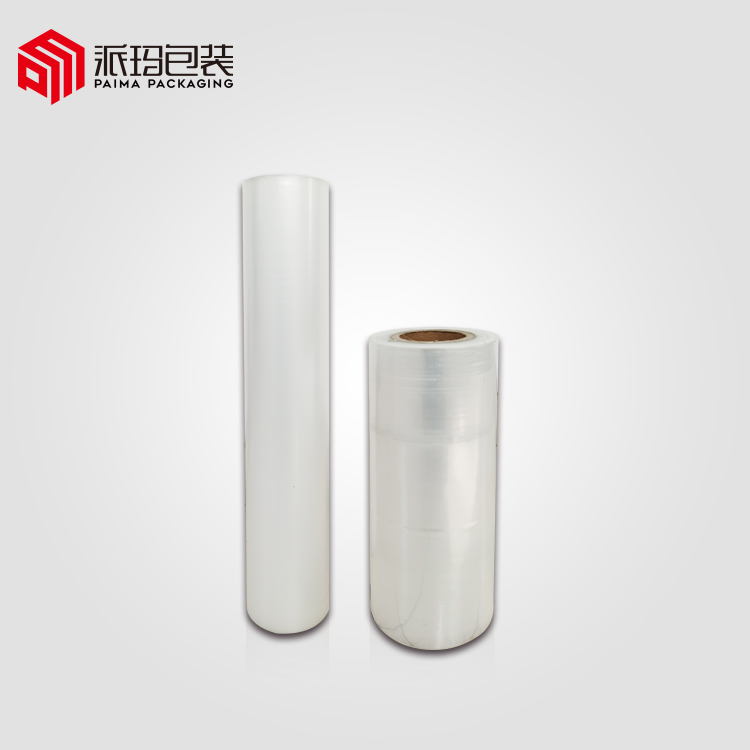
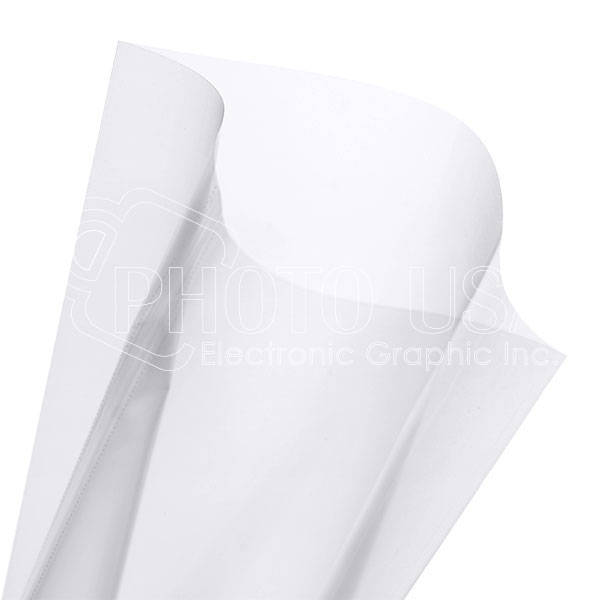
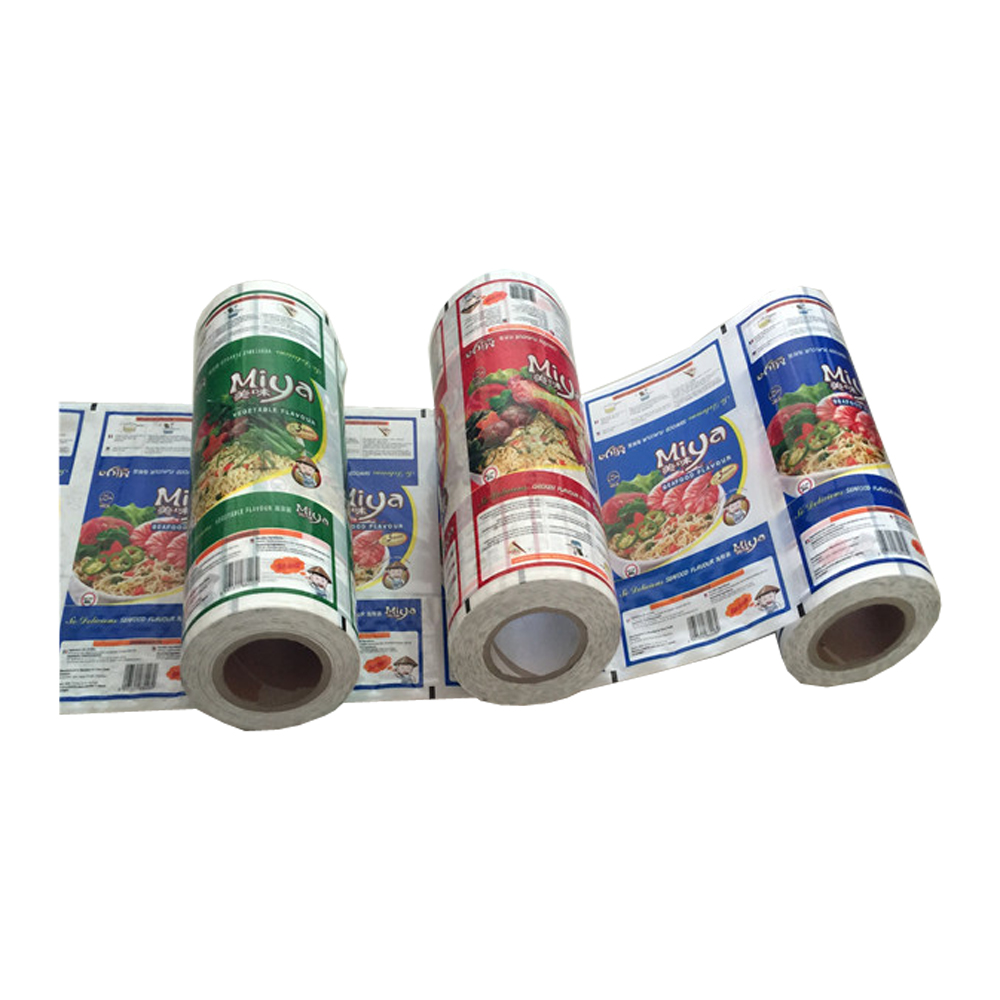
Source bulk plastic film from vetted suppliers and manufacturers across Asia. Designed for importers, distributors, and brands requiring reliable OEM and private-label production, our network delivers consistent quality at scale. Whether you need industrial stretch wrap or food-grade packaging, find wholesale factory-direct solutions here.
Sourcing commercial plastic film at volume requires balancing unit economics with precise mechanical and barrier properties. The core challenge isn't just finding a factory that can extrude polymer; it is ensuring consistent gauge control and defect-free rolls batch after batch, especially when machineability on automated high-speed packaging lines is critical.
Extrusion Methods and Material Selection
The manufacturing process fundamentally dictates the film's physical properties. Most commercial packaging films are produced via one of two primary extrusion methods. Choosing the right process is just as important as selecting the base resin (PE, PP, PET, or PVC).
| Process | Key Characteristics | Typical Applications |
|---|---|---|
| Blown Film Extrusion | Better mechanical strength, biaxial orientation, lower clarity | Heavy-duty sacks, shrink film, agricultural film |
| Cast Film Extrusion | Higher clarity, superior gauge uniformity, faster production | Stretch wrap, high-clarity food packaging, laminations |
When communicating your requirements to a manufacturer, vague requests lead to inconsistent production. You must define the exact mechanical and surface properties required for your application.
Critical Film Specifications to Define
- Thickness/Gauge (measured in microns or mil, with defined tolerance limits)
- Yield (square meters per kilogram or square inches per pound)
- Coefficient of Friction (COF) for machineability (static and kinetic)
- Surface Treatment (e.g., Corona treatment level in dynes for printability)
- Barrier Properties (Oxygen Transmission Rate and Water Vapor Transmission Rate)
Managing Quality on the Factory Floor
Quality in plastic film is won or lost at the extrusion die and during the cooling phase. Minor temperature fluctuations or contaminated resin can lead to cascading defects that ruin an entire production run.
Gauge Variation Risks
Inconsistent thickness (gauge variation) is the most common defect in film extrusion. A variation exceeding 5 percent can cause telescoping during roll winding and lead to catastrophic jamming on automated form-fill-seal (FFS) machines.
Implementing strict quality control protocols is essential. Inspectors should check for "gel spots" (unmelted resin particles that compromise structural integrity and clarity), die lines (continuous lines running in the machine direction), and proper winding tension. If your film is intended for food contact, ensuring the factory uses virgin, food-grade resins and undergoes proper compliance testing to meet FDA or EU standards is non-negotiable.
Struggling with inconsistent gauge control or film clarity from your current supplier?
Talk to our teamPricing Structure, MOQs, and Lead Times
Plastic film is a commodity-driven product. Pricing is typically calculated per kilogram or metric ton and is heavily tied to global petrochemical resin indexes. Because resin costs fluctuate, manufacturers usually offer quotes valid for only 7 to 15 days.
Minimum Order Quantities (MOQs) depend heavily on customization. Standard clear PE stretch film might have an MOQ of a single metric ton, while custom-colored films, specialized barrier laminations, or films requiring unique anti-block/slip additives often require 3 to 5 metric tons to justify the machine setup and purging time. Before committing to a high-volume contract, conducting thorough factory audits ensures the supplier has the actual extrusion capacity to meet your lead times during peak seasons.
Need to lock in competitive pricing tied to current resin market indexes?
Get a free consultationFrequently Asked Questions
Securing a reliable supply of plastic film means looking past the initial per-kilogram quote and evaluating a manufacturer's technical capability to control variables like gauge, COF, and winding tension. A stable supply chain relies on partners who treat extrusion as a precision process rather than just melting plastic.
Get Sourcing Help for Plastic Film
Tell us your requirements and our experts will connect you with verified manufacturers.