Plastic Cutting Machines
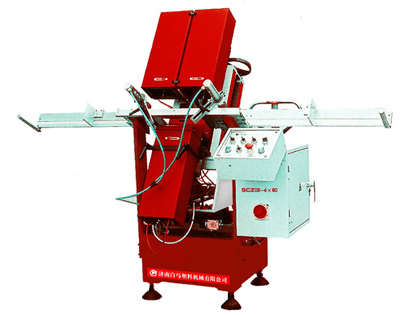
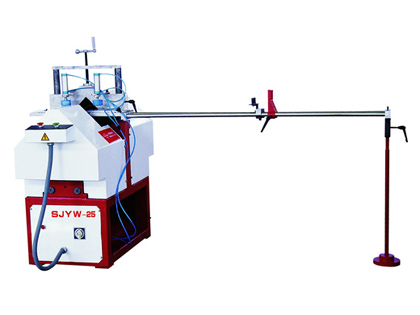
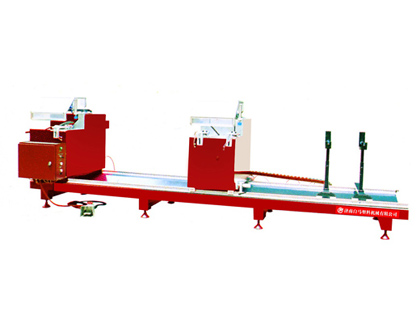
Source industrial-grade Plastic Cutting Machines from vetted manufacturers and suppliers. Designed for importers, wholesalers, and distributors sourcing in bulk, our network offers robust machinery for profile, sheet, and pipe processing. Secure reliable OEM and wholesale production directly from top-tier factories.
Sourcing industrial plastic cutting equipment requires balancing cutting precision, throughput, and long-term reliability. Whether you are provisioning lines for PVC pipe extrusion, PET sheet processing, or custom profile manufacturing, the right machinery prevents material waste and downstream bottlenecks. Navigating the supplier landscape in manufacturing hubs like Jiangsu and Guangdong means distinguishing between tier-one machinery builders and lower-grade assemblers who cut corners on frame rigidity and control systems.
Key Specifications to Define
When negotiating with manufacturers, vague specifications lead to underpowered or inaccurate machines. Industrial buyers must explicitly define the operational parameters to ensure the equipment matches the required production environment.
Critical Parameters
- Cutting Capacity: Specify maximum width, thickness, and outer diameter (for pipes). Ensure the supplier understands the specific polymer (e.g., rigid PVC vs. elastomeric TPU), as this dictates blade geometry and motor torque.
- Feed and Cutting Speed: Synchronization with upstream equipment (like extruders) requires precise servo-driven feed mechanisms and encoder feedback.
- Control Systems: Specify the PLC and HMI brands (e.g., Siemens, Mitsubishi, Omron). Off-brand controllers often lack global support and make troubleshooting difficult.
Need to match machinery specs to your exact production line? Speak with our sourcing engineers to find the right factory capabilities.
Discuss your requirementsWhere Quality is Won or Lost
The lifespan of a plastic cutting machine is heavily dependent on its structural integrity and the quality of its moving parts.
Frame Rigidity and Vibration Dampening
High-speed cutting generates significant vibration. If the machine frame is built from thin-gauge sheet metal rather than heavy-duty cast iron or thick welded steel plates, vibration will cause blade deflection. This results in angled cuts, excessive burr formation, and premature blade wear. When evaluating suppliers, conducting factory audits is essential to verify their in-house CNC machining tolerances for blade housings and structural components.
Blade Material and Geometry
The blade is the most critical consumable. The choice of material dictates maintenance intervals and cut quality.
| Blade Material | Best For | Wear Resistance | Cost Profile |
|---|---|---|---|
| High-Speed Steel (HSS) | Standard plastics, PVC, PE | Moderate | Economical |
| Tungsten Carbide Tipped (TCT) | Abrasive plastics, glass-filled polymers | Excellent | Premium |
| Diamond Coated | Highly specialized, composite plastics | Maximum | High |
Quality Control and Factory Acceptance Testing (FAT)
Never ship industrial machinery without rigorous pre-shipment verification. A comprehensive quality control protocol must include a Factory Acceptance Test (FAT) using your actual production material.
Critical FAT Checkpoints for Cutting Machines
- Continuous run test (minimum 4 hours) to check for motor overheating.
- Tolerance verification on at least 100 consecutive cuts using digital calipers.
- Verification of safety interlocks, emergency stops, and light curtains.
- Inspection of electrical panel wiring against international standards (e.g., CE, UL).
- Verification of PLC logic and HMI language settings (ensure English or required language is fully integrated).
Pricing, MOQs, and Logistics
Unlike consumer goods, industrial machinery operates on a completely different procurement model.
- MOQ: The Minimum Order Quantity is almost universally 1 unit. However, volume discounts apply for buyers equipping entire facilities or distributors ordering container loads.
- Pricing Drivers: Costs scale dramatically based on the level of automation. A basic pneumatic guillotine cutter for small profiles may cost just a few thousand dollars, while a fully automated, servo-driven planetary saw for large-diameter pipes can exceed fifty thousand dollars.
- Logistics: Transporting heavy machinery requires meticulous planning. Machines must be properly coated in anti-rust agents, vacuum-sealed, and secured in wooden crates. Depending on the footprint, flat-rack containers or heavy-lift protocols may be required. Coordinating this through specialized shipping and freight channels ensures the equipment arrives undamaged and ready for installation.
Planning a machinery import? Let us handle the factory negotiation, FAT, and heavy-freight logistics.
Talk to our logistics teamFrequently Asked Questions
Procuring industrial plastic cutting machines is an investment in your production efficiency. Success requires moving beyond surface-level specifications to verify frame construction, control system reliability, and factory machining capabilities. By enforcing strict FAT protocols and partnering with vetted machinery builders, you can secure equipment that delivers precise, repeatable performance for years to come.
Get Sourcing Help for Plastic Cutting Machines
Tell us your requirements and our experts will connect you with verified manufacturers.