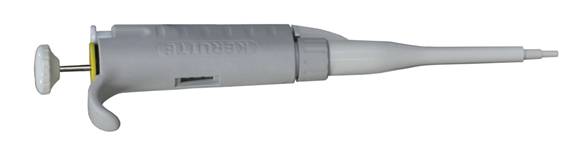
Pipettes
Source high-quality pipettes from vetted suppliers and manufacturers across Asia. Designed for medical distributors, laboratory supply wholesalers, and brands seeking reliable OEM production, our bulk sourcing solutions ensure precision, compliance, and competitive pricing for all your liquid handling equipment needs.
Sourcing precision liquid handling equipment in bulk requires balancing stringent accuracy standards with manufacturing cost-efficiency. Whether you are procuring mechanical micropipettes, electronic models, or high-volume serological pipettes, the primary challenge lies in ensuring consistent calibration and material durability across large production runs. A minor deviation in piston machining or spring tension can render an entire batch useless for clinical or analytical applications.
Defining Specifications for Bulk Pipette Orders
When approaching manufacturers, your technical specification sheet must be exact. Suppliers price and build based on the tolerances you demand. The core specifications to define include the displacement mechanism, volume range, and the materials used for internal components.
| Mechanism | Air Displacement | Positive Displacement |
|---|---|---|
| Primary Application | Standard aqueous liquids | Viscous, volatile, or dense liquids |
| Cross-Contamination Risk | Moderate (requires filter tips) | Zero (disposable piston/capillary) |
| Manufacturing Complexity | High precision springs & seals | Specialized capillary tooling |
You must also clearly define the required accuracy (systematic error) and precision (random error, usually expressed as the Coefficient of Variation or CV). High-end manufacturers will guarantee a CV of under 0.5 percent at maximum volume for micropipettes, but this requires strict adherence to ISO 8655 testing protocols. Additionally, specify autoclavability. Fully autoclavable models require high-grade polymers like PVDF (Polyvinylidene fluoride) or PTFE (Polytetrafluoroethylene) for the tip cone, and stainless steel for the piston, which increases the BOM (Bill of Materials) cost.
Ensuring ISO 8655 compliance across thousands of units requires strict oversight. Let us handle the factory vetting and technical negotiations to secure the precision you need.
Talk to our teamManufacturing Tolerances and Quality Control
The reliability of a pipette is won or lost on the factory floor, specifically during injection molding and final assembly. The internal seals (usually O-rings) and the main spring dictate the smoothness of the plunger and the long-term accuracy of the unit. If a factory uses substandard tooling, microscopic burrs on the piston can degrade the O-ring over time, leading to volume drift.
To mitigate these risks, comprehensive factory audits are essential before committing to a supplier. You need to verify that the manufacturer has a climate-controlled calibration room and utilizes highly sensitive analytical balances for gravimetric testing.
Critical QC Checkpoints for Pipette Production
- Gravimetric calibration testing per ISO 8655 standards on a statistically significant sample size.
- Plunger friction testing to ensure ergonomic operation and consistent spring return.
- Seal integrity testing to verify airtightness over repeated aspiration cycles.
- Visual inspection of tip cones for molding defects or flash that could compromise tip fit.
Implementing rigorous quality control & inspection protocols before shipment is the only way to catch calibration drift or assembly errors before the goods leave the factory.
OEM and Private Label Customization
For brands looking to establish their own line of laboratory equipment, OEM/ODM services offer significant value. Manufacturers can customize the ergonomic profile of the handle, the ejection mechanism, and the color-coding system.
When developing a private label line, pay close attention to the tip ejector design. Adjustable metal ejectors are preferred for durability, while plastic ejectors are more cost-effective. Ensure that your custom design maintains universal tip compatibility, as proprietary tip fits can deter end-users from adopting your brand.
Typical MOQs, Pricing Drivers, and Lead Times
Pricing in the pipette category is heavily dependent on the complexity of the instrument (e.g., electronic vs. mechanical, single vs. multichannel) and the required certification level.
Multichannel pipettes (8-channel or 12-channel) command a significant premium due to the complex manifold assembly required to ensure identical volume displacement across all channels. Electronic pipettes require additional vetting of the PCBA (Printed Circuit Board Assembly) supplier and battery sourcing, which can extend lead times.
Optimize your unit costs without sacrificing precision. We negotiate directly with top-tier manufacturers to secure better terms and reliable lead times.
Get a free consultationFrequently Asked Questions
Successfully sourcing pipettes at scale is about managing the microscopic details. By strictly defining your material requirements, demanding ISO-compliant gravimetric testing, and enforcing rigorous pre-shipment inspections, you can build a resilient and profitable supply chain for precision lab equipment.
Get Sourcing Help for Pipettes
Tell us your requirements and our experts will connect you with verified manufacturers.