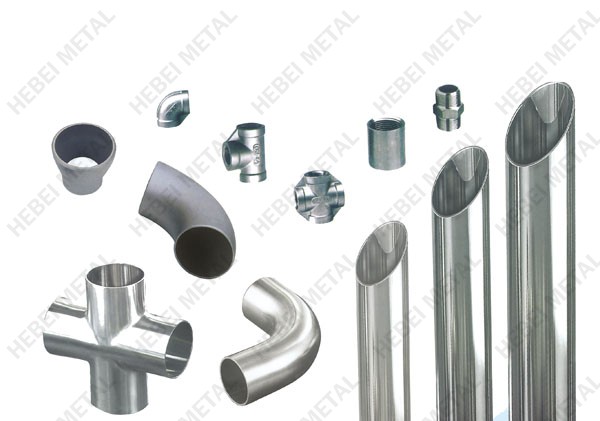
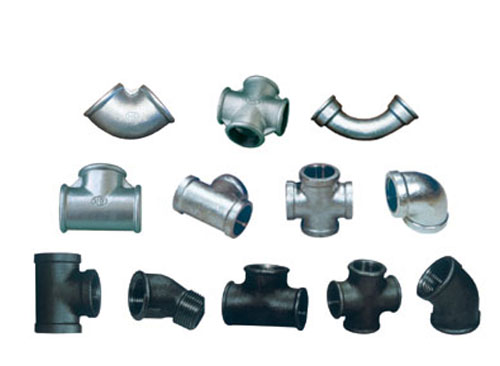
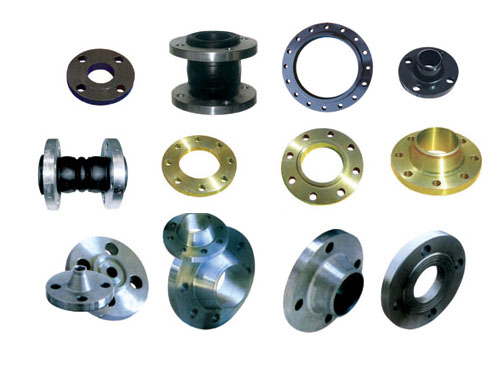
Pipe Fittings
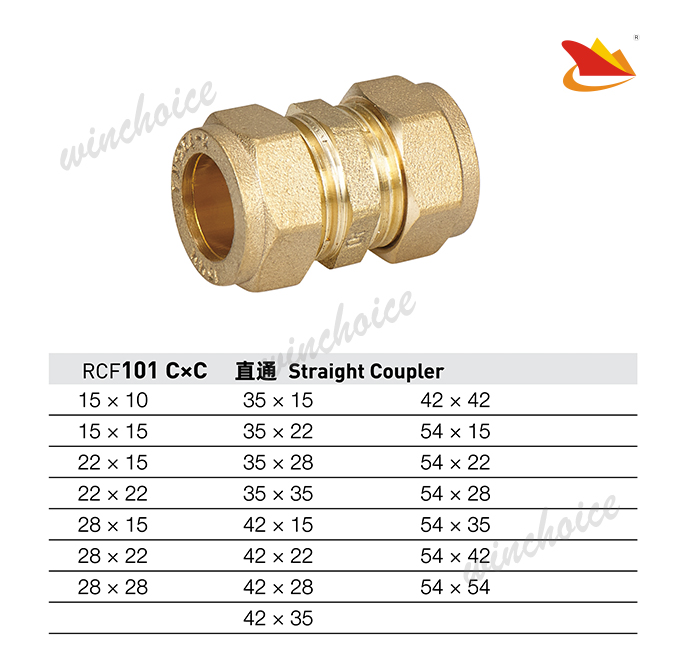
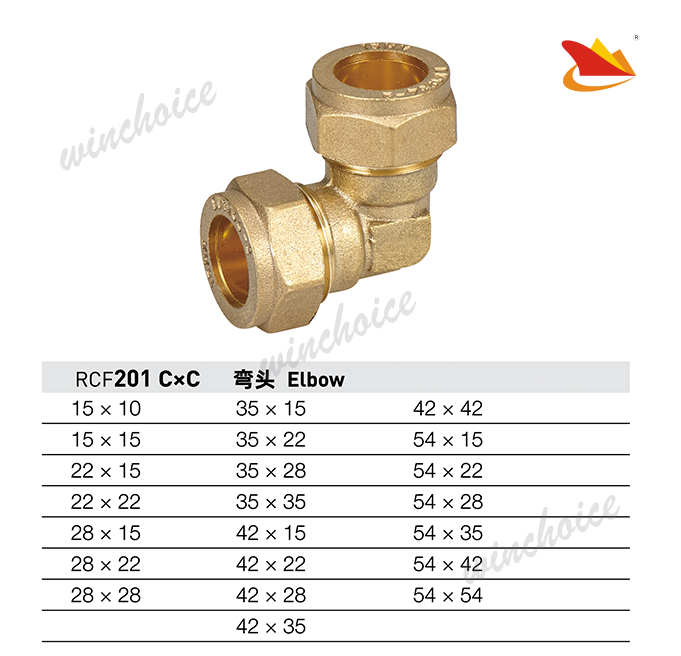
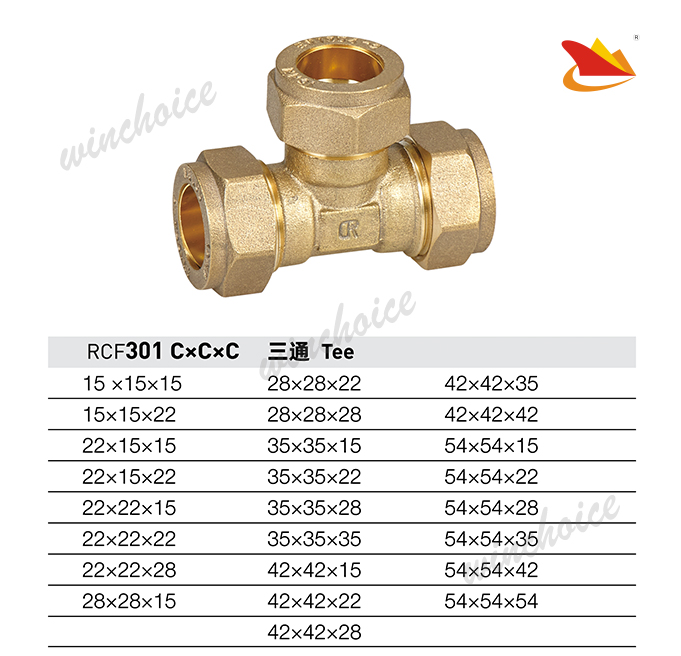
Source commercial-grade pipe fittings from vetted suppliers and manufacturers across Asia. Designed for importers, wholesalers, hardware distributors, and brands requiring reliable OEM production, our network delivers precision-engineered fittings at scale with verified compliance and strict quality control.
Sourcing industrial and commercial pipe fittings at scale requires strict adherence to dimensional tolerances, material purity, and international thread standards. The core challenge in bulk procurement isn't just finding a factory that can cast or forge a shape; it's ensuring batch-to-batch consistency so that every piece forms a reliable, leak-free seal under pressure, regardless of production volume.
Critical Specifications: Materials and Thread Standards
The application environment dictates the material grade, and local market regulations dictate the thread standards. Specifying "stainless steel" or "brass" on a purchase order is insufficient and exposes your supply chain to material substitution risks.
For stainless steel fittings, buyers must explicitly specify 304 or 316 grades and verify the nickel and molybdenum content. For brass, particularly in potable water applications, lead-free (under 0.25 percent lead) or Dezincification Resistant (DZR) brass such as CW602N or CW617N is often mandatory to meet NSF or WRAS certifications.
Material Substitution Risk
In highly competitive pricing environments, some manufacturers may blend scrap metal into the melt, altering the alloy's chemical composition. This compromises corrosion resistance and tensile strength. Independent compliance testing of raw material certificates (MTRs) and chemical composition analysis is highly recommended before mass production begins.
Beyond materials, thread compatibility is the most common point of failure for cross-border sourcing. Manufacturers in Asia produce for global markets, meaning they cut NPT, BSPT, and BSPP threads on the same factory floor.
| Thread Standard | Primary Market | Sealing Mechanism |
|---|---|---|
| NPT (National Pipe Thread) | North America | Thread deformation (requires sealant/tape) |
| BSPT (British Standard Pipe Taper) | Europe, Asia, Australia | Thread deformation (requires sealant/tape) |
| BSPP (British Standard Pipe Parallel) | UK, Europe, Asia | Mechanical seal (requires O-ring or bonded washer) |
Manufacturing Processes and Defect Prevention
Fittings are typically manufactured via investment casting (for stainless steel), sand casting (for larger iron fittings), or hot forging (for high-pressure brass and carbon steel). Following the initial shaping, CNC machining is used to cut the threads and finish the sealing faces.
Quality is won or lost in two areas: the integrity of the casting/forging and the precision of the CNC machining. Porosity (microscopic air bubbles in the casting) can lead to weeping leaks under high pressure, while dull CNC tooling can cause torn or out-of-tolerance threads.
Factory-Level Quality Control Verification
- Spectrometer analysis of raw material ingots prior to melting.
- Hydrostatic or pneumatic pressure testing of raw castings to detect porosity.
- Regular calibration of Go/No-Go thread gauges used by CNC operators.
- Visual inspection for burrs, torn threads, or incomplete threading.
- Verification of wall thickness against ASME or DIN standards.
If you are committing to a new supplier for high-volume orders, relying on their internal QC reports is a risk. Conducting comprehensive factory audits ensures the facility actually possesses the testing equipment they claim to use.
Struggling with inconsistent thread tolerances or material quality from your current suppliers? Let's discuss implementing a stricter quality control framework for your next order.
Talk to our teamPricing Dynamics, MOQs, and Lead Times
The pricing of pipe fittings is heavily indexed to global commodity markets (LME prices for copper, zinc, nickel, and iron). However, unit costs are also driven by manufacturing complexity, the weight of the fitting (wall thickness), and the surface finish required (e.g., electroplating, pickling, or passivation).
When negotiating prices, it is crucial to benchmark quotes based on the actual weight of the fitting. A significantly cheaper quote from one factory often means they have reduced the wall thickness to save on raw material costs, which directly impacts the fitting's pressure rating and durability.
Implementing robust quality control measures, including pre-shipment inspections that verify both thread tolerances and unit weight, is the only way to ensure you are receiving the exact specifications you paid for.
Need to consolidate your procurement or source custom OEM fittings at scale? Our sourcing experts can help you secure reliable production and transparent pricing.
Get a free consultationFrequently Asked Questions
Securing a reliable supply chain for pipe fittings means moving beyond unit-cost comparisons and focusing on factory capability, material integrity, and strict dimensional tolerances. A partner who understands the technical nuances of metallurgy and machining will protect your brand from costly field failures and compliance issues.
Get Sourcing Help for Pipe Fittings
Tell us your requirements and our experts will connect you with verified manufacturers.