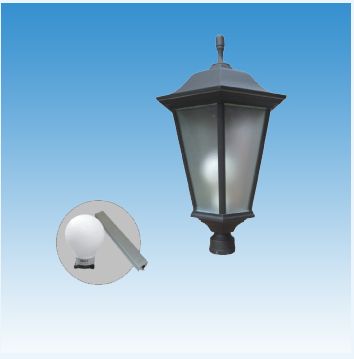
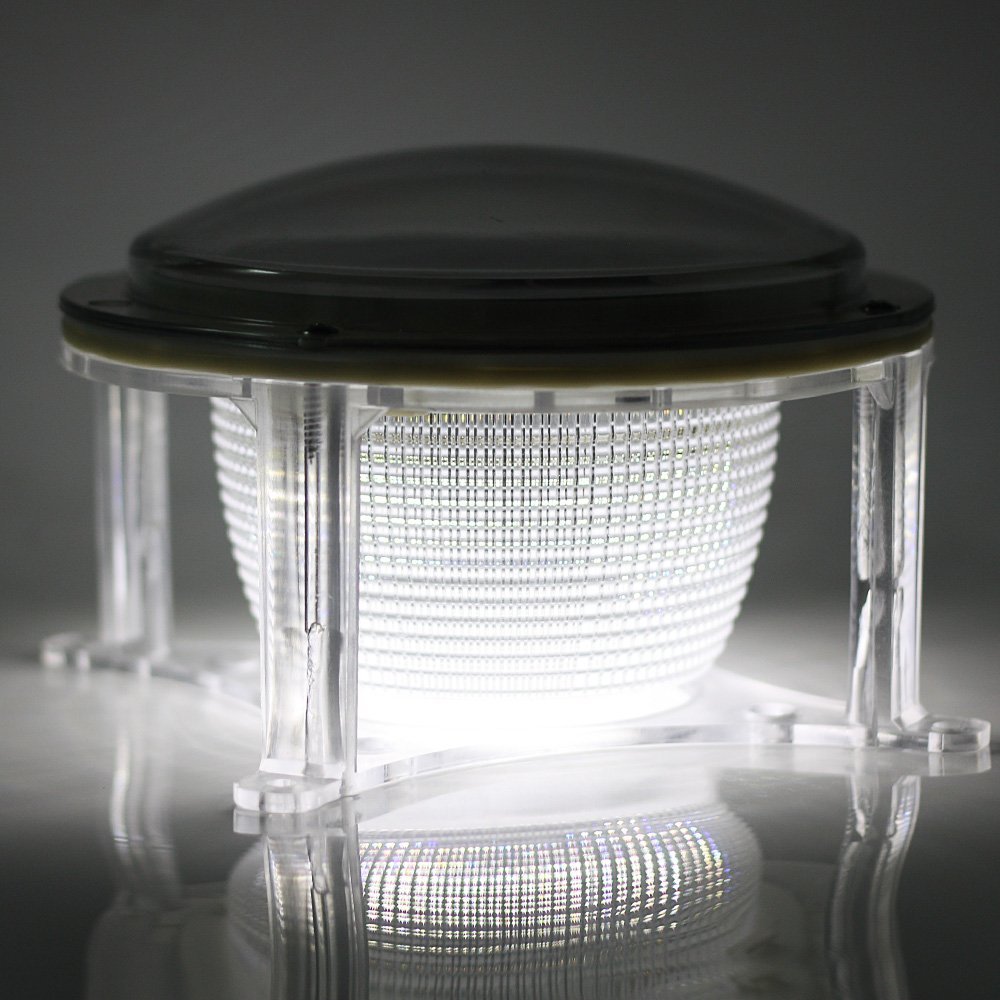
Pillar Lights
Source high-quality Pillar Lights from vetted manufacturers and wholesale suppliers across Asia. Built for commercial importers, distributors, and lighting brands seeking private-label or custom OEM production, this catalog connects you with reliable factories capable of meeting strict outdoor durability and compliance standards.
Outdoor pillar lighting demands a rigorous approach to weatherproofing, material durability, and electrical safety. When sourcing these fixtures in volume, the primary challenge is ensuring consistency across production runs—particularly regarding ingress protection, thermal management of the LED housing, and the longevity of the exterior finish against UV degradation and corrosion.
Critical Specifications and Material Selection
The lifespan of an outdoor pillar light is dictated by its housing material, surface treatment, and sealing mechanism. Buyers must specify these elements clearly on the purchase order; assuming standard factory configurations often leads to premature failure in harsh climates.
| Housing Material | Corrosion Resistance | Heat Dissipation | Ideal Application |
|---|---|---|---|
| Die-Cast Aluminum | High (with proper powder coat) | Excellent | Commercial & residential pathways |
| 304/316 Stainless Steel | Very High (316 grade) | Moderate | Coastal or high-humidity environments |
| Polycarbonate (PC) | High (immune to rust) | Poor | Budget or high-vandalism areas |
For aluminum fixtures, specify the thickness and brand of the powder coating (e.g., AkzoNobel) to prevent flaking and oxidation. The sealing gaskets should be molded silicone rather than standard rubber, as silicone maintains its elasticity over a wider temperature range, ensuring the IP rating remains intact after years of thermal cycling.
Need help verifying a factory's material specifications and production capabilities? Let our sourcing experts evaluate your supplier shortlist.
Talk to our teamManufacturing Vulnerabilities and Quality Control
Quality is often compromised on the factory floor during the die-casting and assembly phases. Porosity in die-cast aluminum can create micro-fissures that allow moisture ingress, bypassing the silicone gaskets entirely. Similarly, improper potting of the LED driver leaves sensitive components vulnerable to condensation.
Catching these issues requires stringent Quality Control & Inspection protocols. Relying solely on final visual checks is insufficient for outdoor lighting.
Essential Inspection Points for Pillar Lights
- Waterproof testing: Submersion or high-pressure spray tests to verify IP65 or IP67 claims.
- Die-cast integrity: Inspection for surface blistering, pinholes, or uneven powder coat adhesion.
- Thermal testing: Operating the fixtures at maximum wattage to ensure the housing dissipates heat effectively.
- Driver potting verification: Checking that the driver is fully encapsulated in thermal compound to prevent moisture damage.
- Gasket seating: Verifying that silicone seals are perfectly aligned before the housing is torqued shut.
If you are developing a custom design or modifying an existing mold, engaging OEM/ODM Services early ensures that the factory engineers the housing for manufacturability and reliable sealing from the start.
Compliance and Electrical Standards
Outdoor lighting is heavily regulated. Importing non-compliant fixtures risks customs seizure, product liability, and voided insurance. The required certifications depend entirely on your target market. For North America, UL or ETL listing for wet locations is mandatory. For the European Union, CE (LVD and EMC directives) and RoHS compliance are required.
Always verify that the factory's certifications apply to the specific components used in your production run—particularly the LED driver and the internal wiring. Utilizing professional Compliance & Testing services ensures that the finished goods meet all regional regulatory demands before they leave Asia.
MOQs, Lead Times, and Pricing Dynamics
Pricing for pillar lights fluctuates based on raw material costs (aluminum, copper), the quality of the LED chip (e.g., Cree, Bridgelux vs. generic), and the driver brand (e.g., Mean Well).
High-volume buyers can negotiate lower MOQs by standardizing the internal components across multiple exterior housing designs. When comparing quotes, ensure you are comparing identical specifications; a quote that is 20 percent cheaper often indicates a switch to a non-isolated driver, thinner aluminum walls, or standard rubber gaskets.
Ensure your pricing reflects the quality you need. We help buyers negotiate transparent, specification-backed contracts with reliable manufacturers.
Get a free consultationFrequently Asked Questions
Sourcing commercial-grade pillar lights is an exercise in risk management. Success requires looking past the aesthetic design to rigorously define the materials, thermal management, and sealing mechanisms that dictate field reliability. Working with experienced partners ensures your specifications translate into a resilient, market-ready product.
Get Sourcing Help for Pillar Lights
Tell us your requirements and our experts will connect you with verified manufacturers.