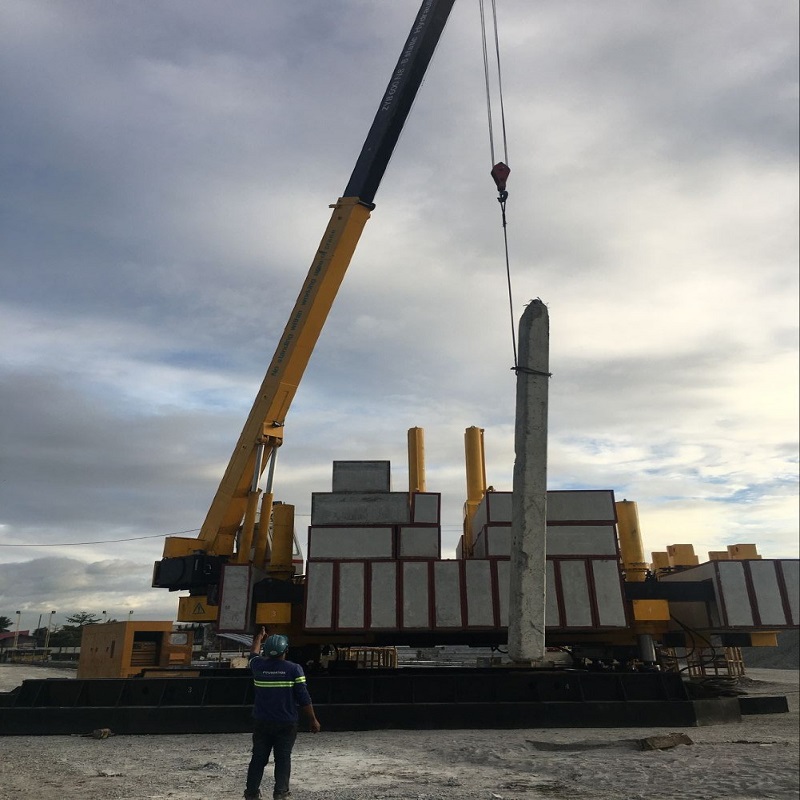
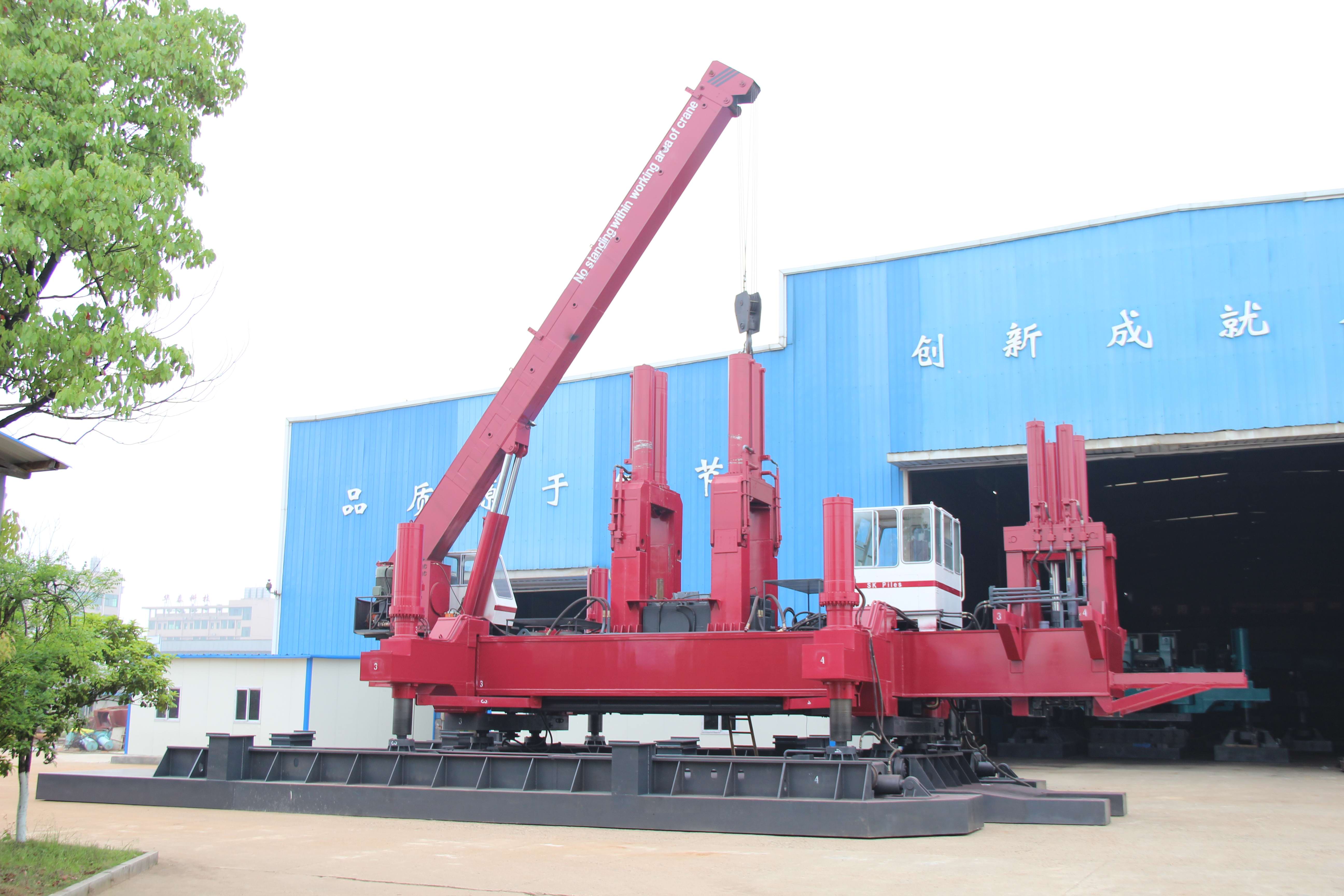
Pile Drivers
Source heavy-duty pile drivers from vetted suppliers and manufacturers across Asia. This catalog is designed for construction machinery importers, equipment distributors, and procurement managers buying in bulk. Whether you need standard models or OEM production, find reliable partners for your volume sourcing needs.
Sourcing pile drivers in volume requires navigating a complex landscape of heavy machinery manufacturers. The core challenge is not just finding a factory that can assemble the equipment; it is verifying their capability to source high-grade metallurgical components and machine reliable hydraulic systems that can withstand continuous, high-impact forces on the job site.
Key Specifications for Bulk Procurement
When negotiating with manufacturers, vague specifications lead to inconsistent performance. Pile driving equipment relies heavily on the synergy between hydraulic flow and mechanical impact. You must clearly define the operating parameters to ensure the machinery matches your target market's carrier excavators and soil conditions.
| Specification | Critical Metric | Procurement Implication |
|---|---|---|
| Operating Pressure | Measured in bar (typically 150 to 250 bar) | Dictates the required carrier size and internal seal quality. |
| Oil Flow Rate | Measured in Liters/minute (L/min) | Mismatched flow rates cause overheating or insufficient impact energy. |
| Impact Energy | Measured in Joules | Determines driving efficiency in dense or rocky soil types. |
| Blow Frequency | Blows per minute (bpm) | Higher frequencies require superior heat dissipation designs. |
Need help matching technical specifications to vetted manufacturers? Let our heavy machinery sourcing experts streamline your procurement.
Talk to our teamManufacturing Quality and Metallurgy
The lifespan of a pile driver is determined on the factory floor, specifically in the CNC machining and heat treatment facilities. The striking piston, cylinder, and front head bear immense stress. If the factory cuts corners on the steel grade or the tempering process, the equipment will suffer premature failure, leading to costly warranty claims.
To mitigate this risk, professional buyers rely on strict Factory Audits before placing large orders. Assess the manufacturer's in-house capabilities versus what they outsource.
Critical Factory Floor Checks
- Verify the steel grade used for pistons (e.g., 20CrMo or 42CrMo) and request raw material certifications.
- Inspect the heat treatment process: deep carburizing is essential for core toughness and surface wear resistance.
- Check cylinder honing precision: tolerances must be tight enough to prevent internal hydraulic bypass.
- Confirm the origin of hydraulic seals (premium manufacturers often import seals from Japan or Germany to ensure longevity under high pressure).
Catching metallurgical or machining flaws after assembly is nearly impossible without destructive testing. Implementing rigorous Quality Control & Inspection during the assembly phase—specifically hydraulic pressure testing and flow rate verification—is mandatory for heavy construction equipment.
MOQs, Pricing, and Lead Times
Unlike consumer goods, heavy engineering machinery operates on different economies of scale. Production is highly capital-intensive, meaning minimum order quantities (MOQs) are generally low, but lead times reflect the complexities of heavy casting and precision machining.
Pricing is heavily influenced by the cost of raw steel, the origin of the hydraulic components, and the level of custom engineering required. Because these units are exceptionally heavy and irregularly shaped, logistics play a massive role in your landed cost. Coordinating Shipping & Freight for heavy machinery often requires flat rack containers or specialized RoRo (Roll-on/Roll-off) services, which must be factored into your upfront unit cost calculations.
Want to accurately forecast your landed costs? We can help you negotiate pricing and optimize your heavy freight logistics.
Get a free consultationFrequently Asked Questions
Successfully importing pile drivers requires looking past the spec sheet and understanding the metallurgical and machining realities of the factory producing them. By enforcing strict quality controls and partnering with verified manufacturers, you can secure heavy machinery that delivers reliable performance in the field while protecting your margins.
Get Sourcing Help for Pile Drivers
Tell us your requirements and our experts will connect you with verified manufacturers.