Pickup & SUV Tires
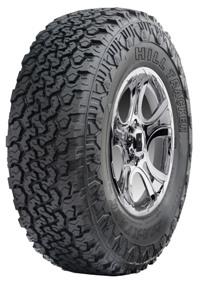
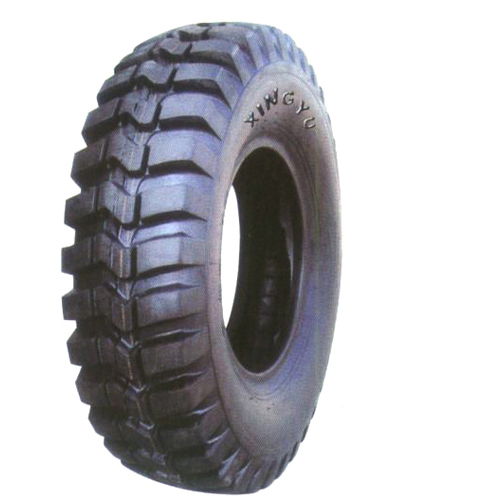
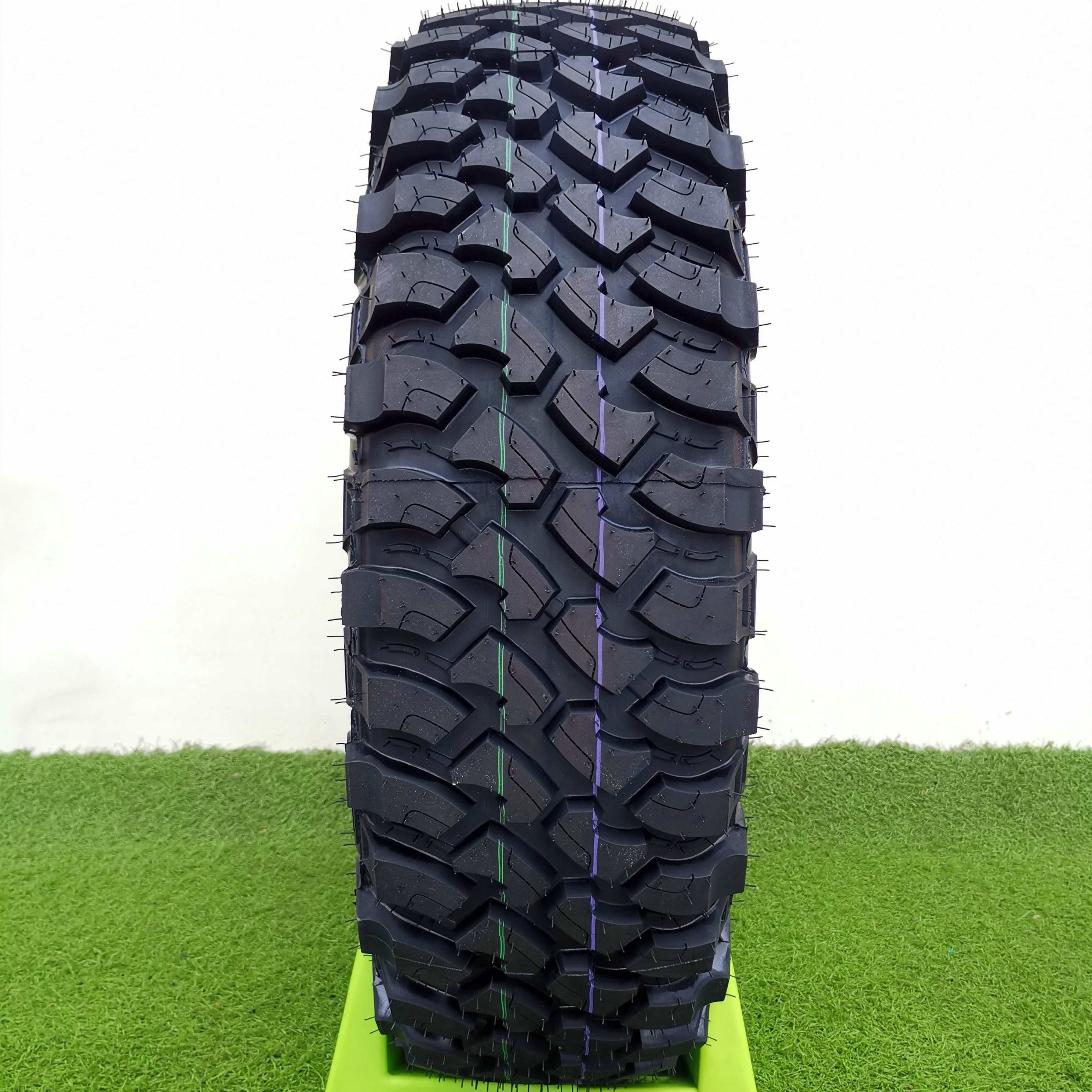
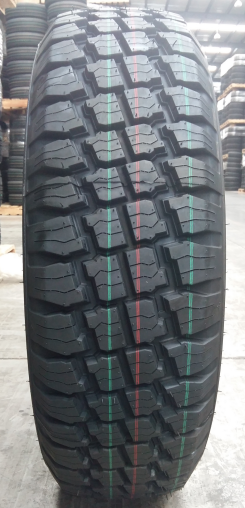
Source premium Pickup & SUV Tires directly from vetted manufacturers and wholesale suppliers. Designed for automotive importers, national distributors, and brands seeking private-label production, our network delivers high-performance AT, MT, and HT tires engineered for durability, load capacity, and strict market compliance.
Sourcing light truck (LT) and SUV tires requires navigating strict safety standards, complex tread compound formulations, and high load-bearing requirements. Whether you are stocking wholesale distribution centers with highway terrain (HT) tires or developing a private-label mud-terrain (MT) line, securing reliable manufacturing is critical to maintaining margins and minimizing liability.
Core Specifications and Tire Construction
SUV and pickup tires face a unique dual demand: they must offer passenger-car comfort at highway speeds while providing commercial-grade load capacity and off-road durability. When specifying production runs with a tire factory, standardizing casing strength and tread compound is essential.
Manufacturers typically categorize production by terrain application, which dictates the void ratio (the amount of empty space in the tread), the silica content in the compound, and the internal steel belt construction.
| Tire Type | Primary Application | Typical Ply Rating | Tread Void Ratio |
|---|---|---|---|
| Highway Terrain (HT) | Paved roads, high-speed stability | 4 to 6 Ply (Standard Load) | Low (quiet ride) |
| All-Terrain (AT) | Mixed use, gravel, light mud | 6 to 10 Ply (Load Range C-E) | Medium (balanced) |
| Mud-Terrain (MT) | Off-road, deep mud, rock crawling | 8 to 12 Ply (Load Range D-F) | High (self-cleaning) |
Beyond the tread pattern, the structural integrity of the tire relies on the casing. For heavy-duty pickup tires, you must specify the exact ply rating and load range required for your target market. A standard SUV tire might only require a polyester cord body with standard steel belts, while heavy-duty LT tires require reinforced sidewalls and high-tensile steel belts to prevent punctures under heavy loads.
Manufacturing Quality and Compliance
Tire manufacturing is highly automated, but curing inconsistencies and casing separations are common defects if process control slips on the factory floor. The vulcanization (curing) process must be strictly monitored; if a tire is under-cured, the compound will lack durability, and if over-cured, it becomes brittle.
Before committing to a supplier, verify their internal testing capabilities. Reliable factories perform 100 percent dynamic balance and uniformity testing, alongside X-ray inspections to check for internal steel belt misalignments.
Critical Factory Quality Checks
- X-ray inspection for steel belt alignment and casing integrity
- Dynamic unbalance testing to measure weight distribution
- Radial force variation (uniformity) testing
- Bubble testing for air retention and bead seating
- Raw material traceability (natural rubber, synthetic polymers, carbon black)
Furthermore, tires are heavily regulated. Depending on your import destination, the factory must hold specific certifications. For the US market, DOT certification is mandatory; for Europe, ECE (E-mark) and REACH compliance for chemical compounds; and for the Middle East, GCC certification. Navigating these requirements often requires rigorous Compliance & Testing to ensure your shipments are not rejected at customs.
Need help verifying a tire manufacturer's certifications and quality control systems? Let our sourcing experts audit your supply chain.
Talk to our teamPrivate Labeling and OEM Tire Production
Many importers build their own tire brands using existing factory molds to save on tooling costs. This white-label approach allows you to select a proven tread pattern and simply mold your brand name onto the sidewall.
However, if you are developing a proprietary tread design or a specialized compound (such as an extreme weather or rock-crawling tire), you will need full OEM/ODM Services. Custom mold fees are significant—often running tens of thousands of dollars per size. When developing custom molds, ensure your contract clearly states that you own the intellectual property and the physical mold, preventing the factory from selling your proprietary design to other distributors.
MOQs, Lead Times, and Pricing Dynamics
Tire factories operate on massive economies of scale. They do not sell by the unit; pricing and production are calculated by the shipping container. Managing the logistics of these bulky items requires strategic Shipping & Freight planning to maximize container space.
Pricing in the tire industry is highly volatile and directly tied to global commodity markets. The primary cost drivers are natural rubber, synthetic rubber (derived from petroleum), carbon black, and steel cord. When negotiating annual supply contracts, experienced buyers lock in pricing tied to a raw material index rather than a fixed price, ensuring fairness for both parties if commodity prices spike or drop.
Optimize your tire purchasing strategy. We help volume buyers negotiate better terms, manage container loading, and control quality.
Get a free consultationFrequently Asked Questions
Securing a reliable supply of pickup and SUV tires requires constant vigilance over raw material costs, factory quality control, and international freight logistics. By partnering with experienced sourcing professionals, you can mitigate production risks, ensure strict regulatory compliance, and build a stable, profitable tire supply chain.
Get Sourcing Help for Pickup & SUV Tires
Tell us your requirements and our experts will connect you with verified manufacturers.