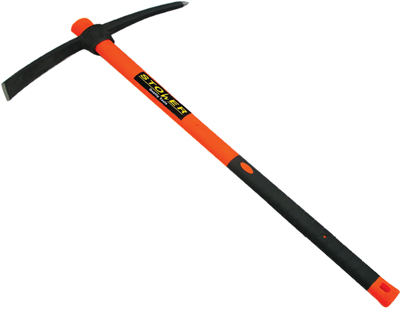
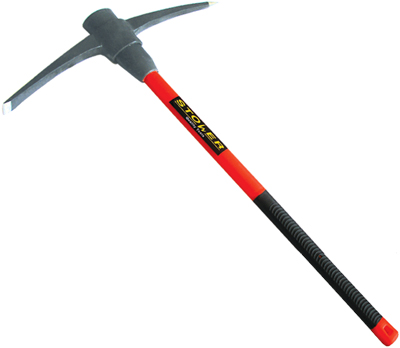
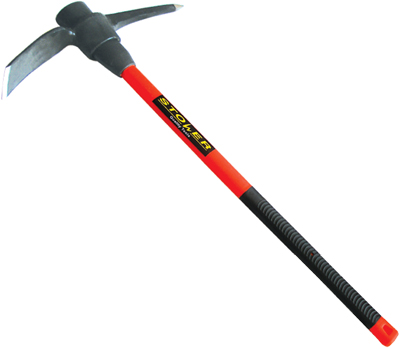
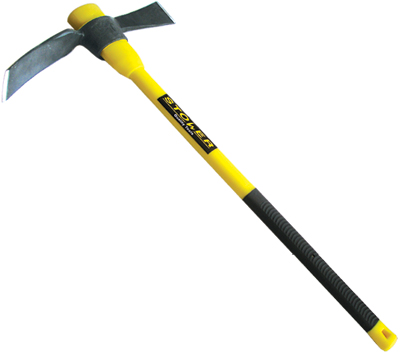
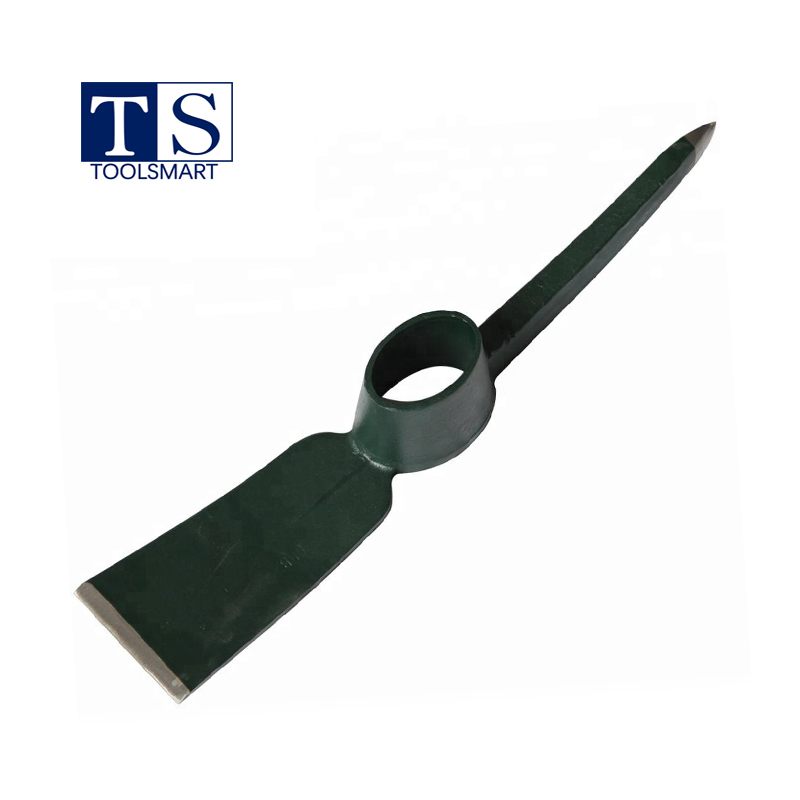
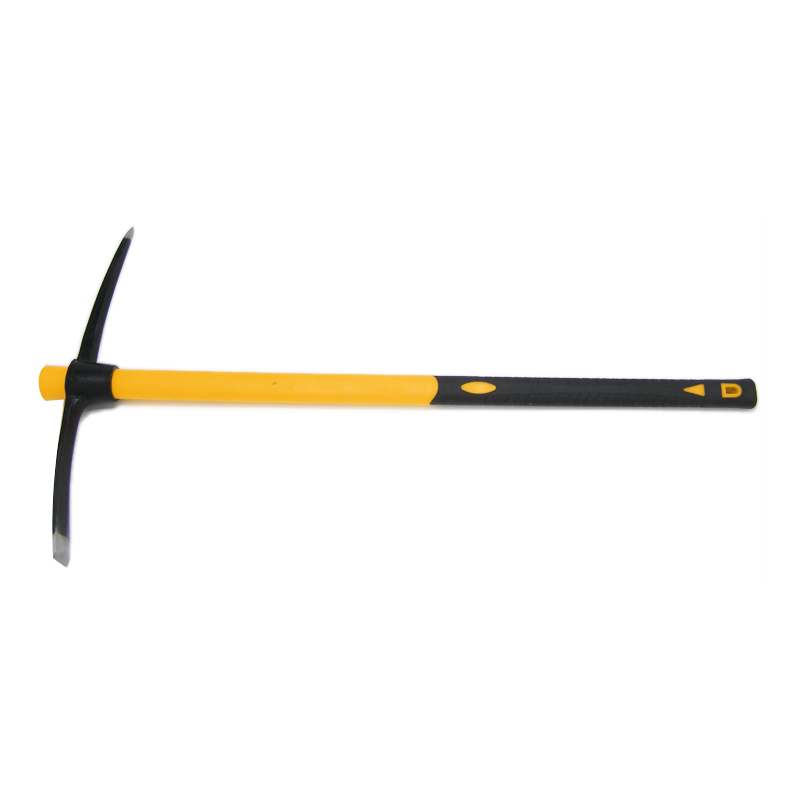
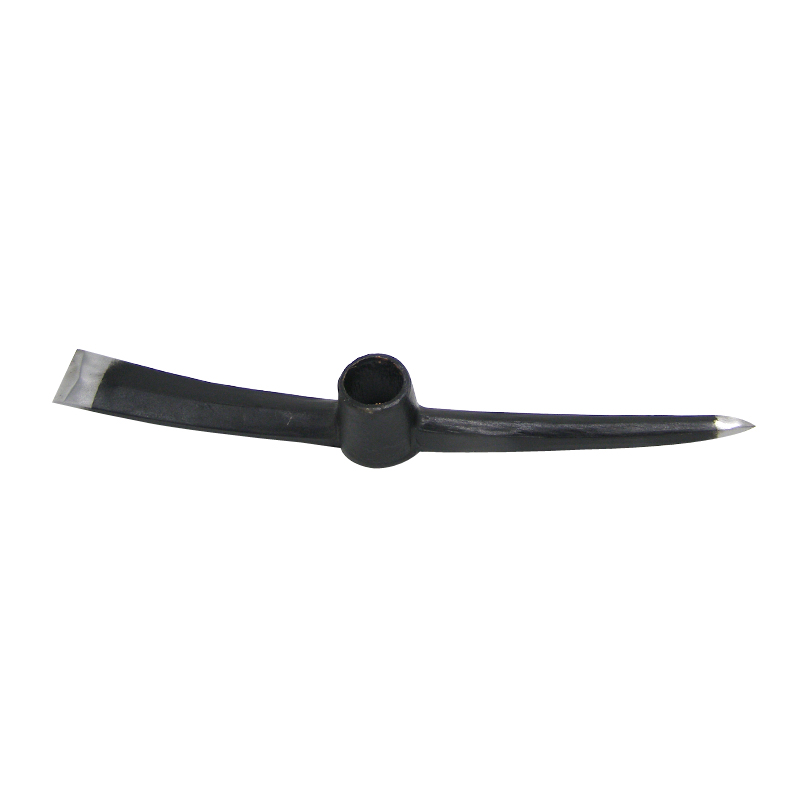
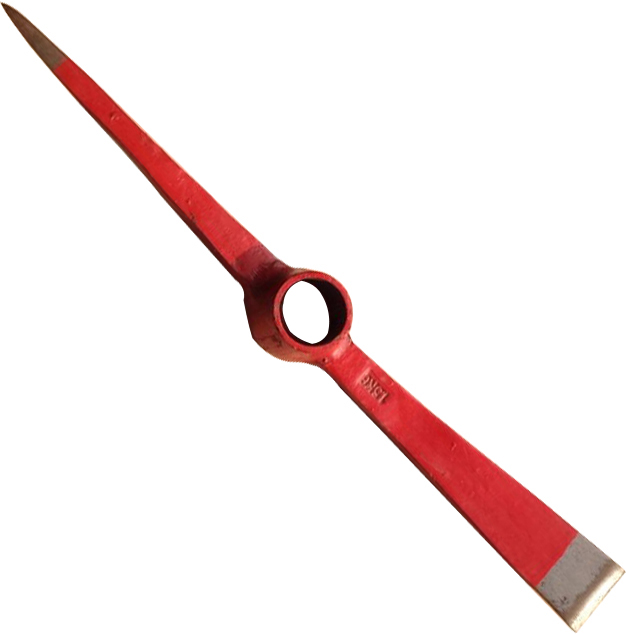
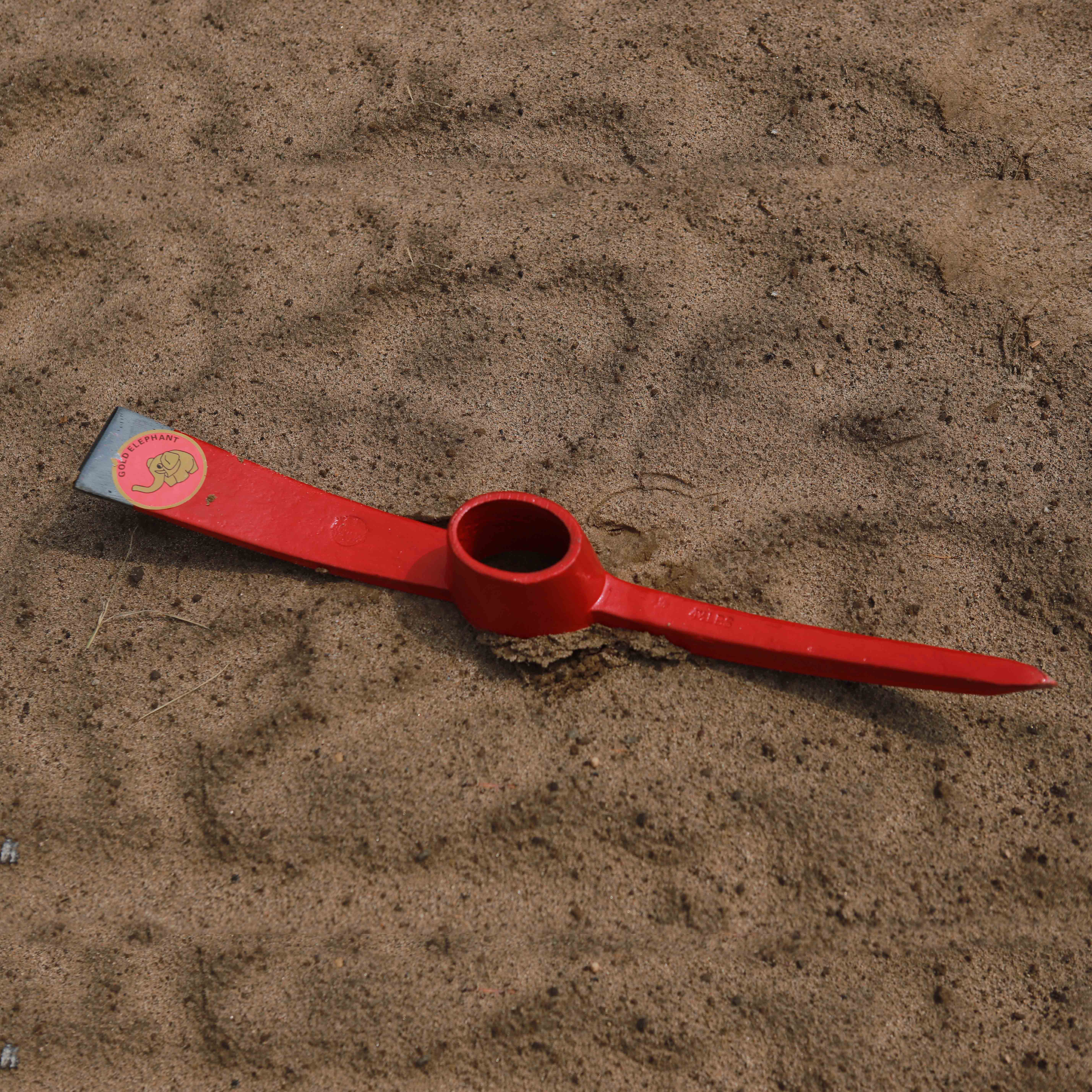
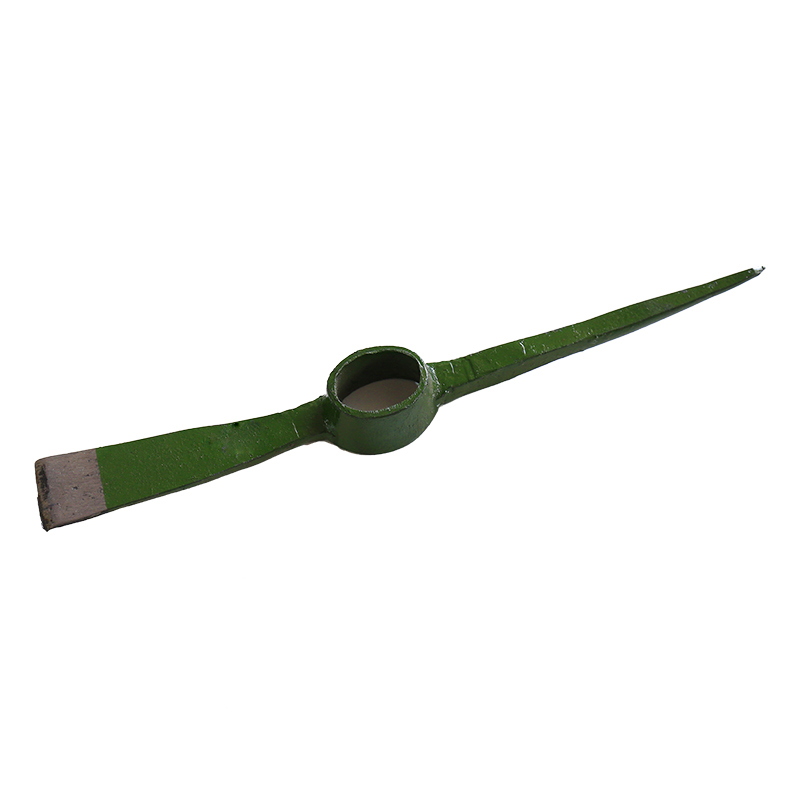
Pickaxes
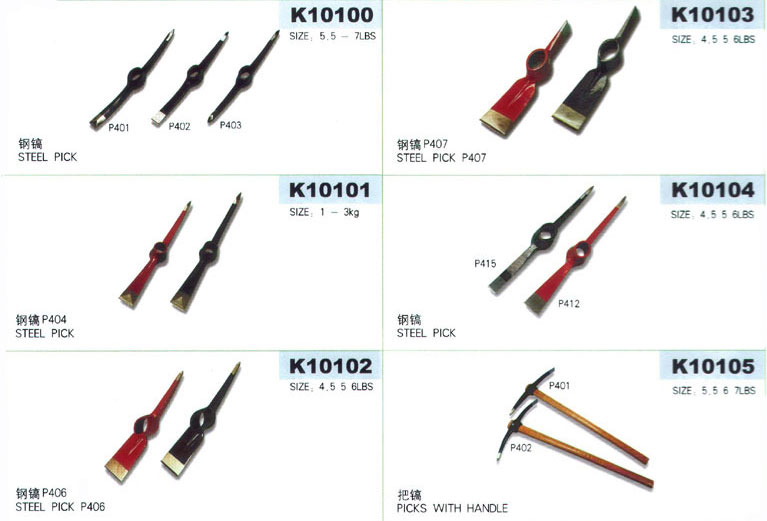
Source durable, high-carbon steel pickaxes from vetted suppliers and manufacturers in China and across Asia. Designed for hardware wholesalers, industrial distributors, and brands seeking reliable OEM and private-label production, our factory-direct sourcing ensures consistent bulk quality and competitive pricing.
Sourcing pickaxes at volume requires balancing metallurgical integrity with handle durability. The core challenge for hardware buyers is ensuring consistent heat treatment across large production runs. A poorly tempered pickaxe head will either deform under impact if too soft, or shatter dangerously if too brittle.
Head Metallurgy and Forging Specifications
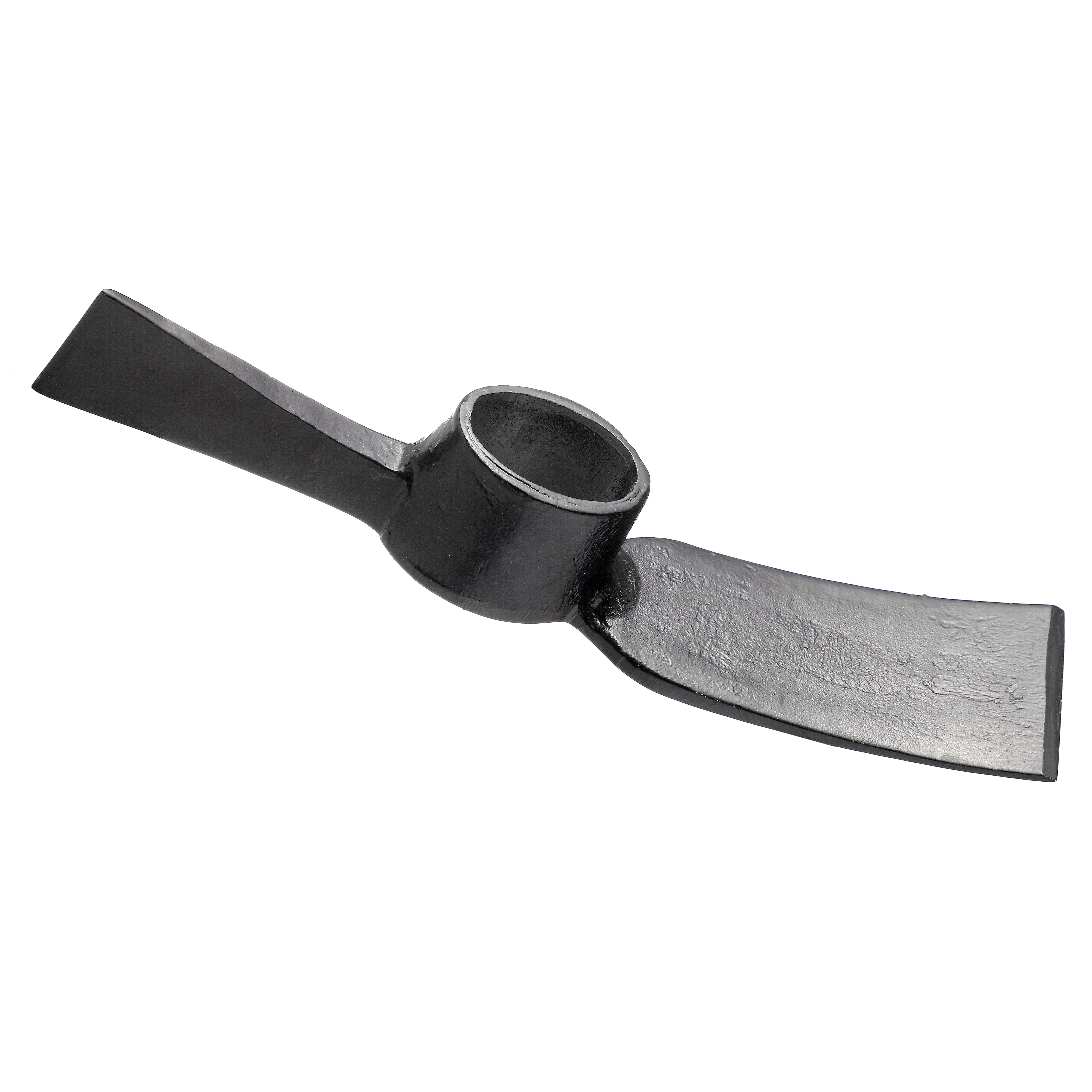
The performance of a striking tool relies entirely on the quality of its steel and the forging process. When evaluating manufacturers, verify that heads are drop-forged rather than cast. Cast steel lacks the grain structure necessary to withstand heavy, repeated impact.
Most commercial pickaxes utilize one of three steel grades:
- 45# Carbon Steel: The industry standard for general-purpose hand tools. Offers a good balance of cost and durability.
- 65Mn (Manganese) Steel: Provides superior wear resistance and toughness, ideal for professional-grade contractor tools.
- Railway Steel (Recycled): Often used in budget-tier tools. While cost-effective, its carbon content can be inconsistent, making uniform heat treatment difficult.
Zonal Heat Treatment
A critical specification is differential (zonal) heat treatment. The working ends—the point and the chisel—must be hardened to HRC 45 to 55. However, the "eye" (the central hole where the handle fits) must remain softer (under HRC 30) to absorb shock. Hardening the eye leads to micro-fractures and eventual catastrophic failure.
Need to verify a factory's forging and heat-treatment capabilities before placing a bulk order?
Talk to our teamHandle Materials and Assembly
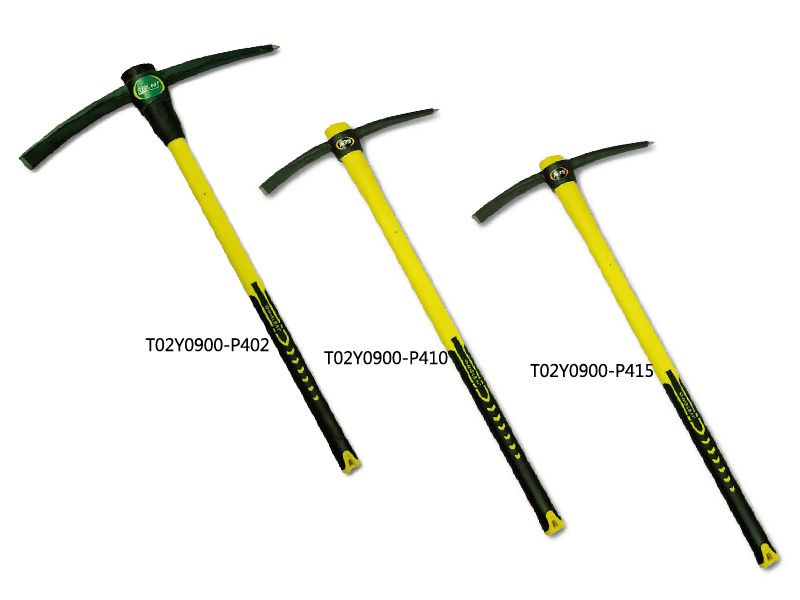
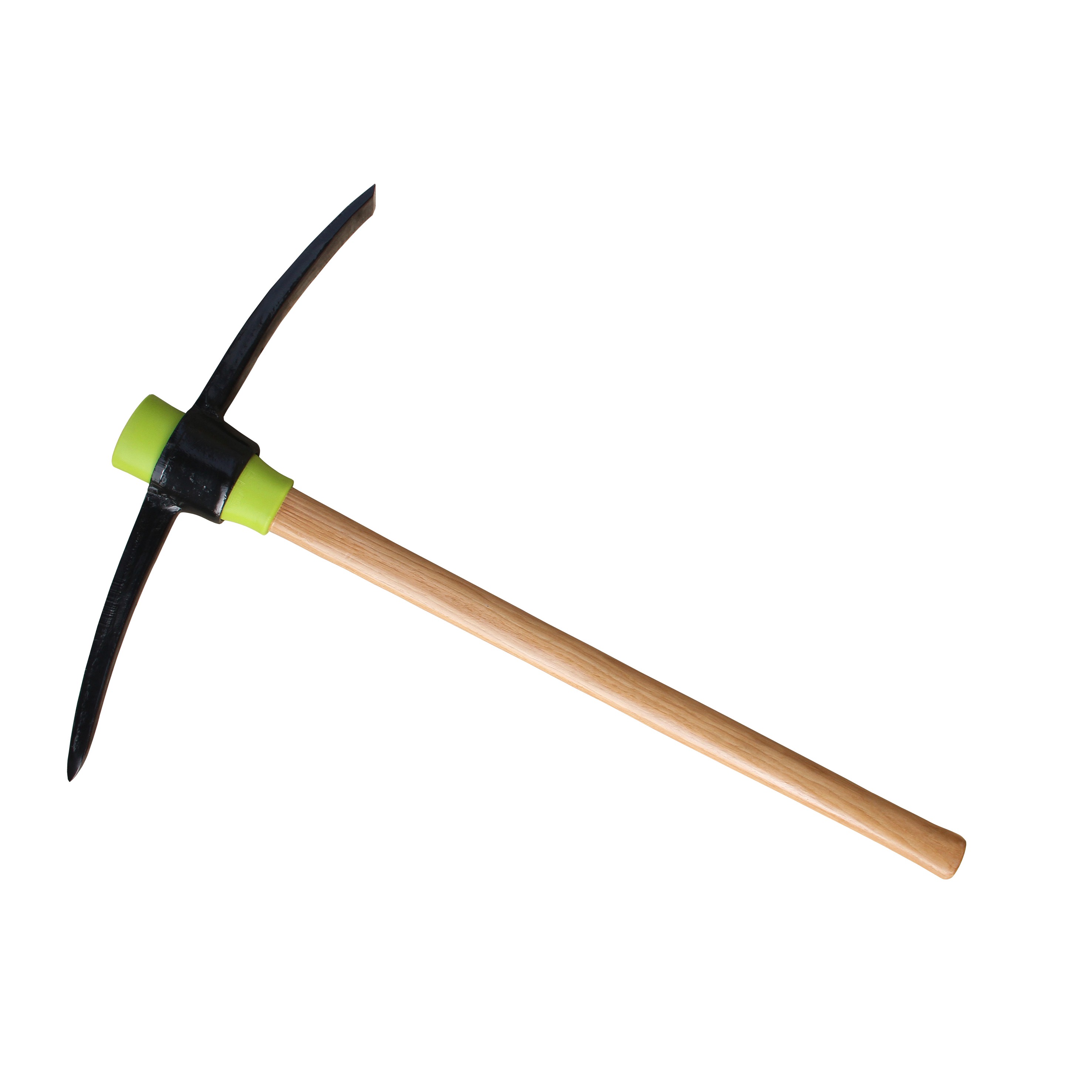
The handle and its connection to the head dictate the tool's lifespan. Buyers must specify handle materials based on their target market's climate and price point.
| Handle Material | Durability | Shock Absorption | Cost Tier |
|---|---|---|---|
| Hickory (Wood) | High | Excellent | Premium |
| Ash (Wood) | Moderate | Good | Standard |
| Fiberglass (FRP) | Very High | Moderate | Mid to Premium |
For wooden handles, moisture content is a major quality control checkpoint. Wood must be kiln-dried to a moisture content of 10 to 14 percent. If the wood is too wet during assembly, it will shrink later, causing the head to loosen. For fiberglass handles, ensure the factory uses a high-quality epoxy resin to bond the head, often combined with a steel roll-pin for mechanical retention.
Essential Quality Control Checkpoints
To prevent defective batches from leaving the factory, comprehensive Quality Control & Inspection protocols must be established early.
Pre-Shipment Inspection Focus Areas
- Hardness Testing: Verify HRC levels at the tips and the eye using a Rockwell hardness tester.
- Pull-Off Force Testing: Ensure the head-to-handle bond meets international standards (e.g., ASME or DIN) for tensile strength.
- Visual Defect Check: Inspect the forged eye for micro-cracks, cold shuts, or forging folds.
- Weight Tolerance: Confirm the forged head weight falls within a 5 percent tolerance of the specified weight (e.g., 5 lbs).
If you are sourcing a new supplier, conducting Factory Audits is highly recommended to confirm their testing equipment is calibrated and their forging presses have the tonnage required for heavy tools.
Sourcing Realities: MOQs, Lead Times, and Pricing
The hand tool sector in Asia operates on established economies of scale. Understanding these baselines helps in negotiating accurate manufacturing contracts.
Pricing is heavily influenced by global steel commodity rates and handle material origin. For example, genuine American hickory must be imported by Asian factories, significantly increasing the unit cost compared to domestic ash or fiberglass. If you are utilizing OEM/ODM Services to develop custom TPR grip molds or branded handle extrusions, expect a one-time tooling fee and slightly longer initial lead times for sample approval.
Planning a bulk order of custom hand tools and need help managing the supply chain?
Get a free consultationFrequently Asked Questions
Successful hand tool procurement comes down to controlling the variables that are invisible to the naked eye—specifically steel grain structure, heat treatment zones, and wood moisture content. By setting strict tolerances for these factors upfront, buyers can secure reliable, high-margin tools that perform flawlessly in the field.
Get Sourcing Help for Pickaxes
Tell us your requirements and our experts will connect you with verified manufacturers.