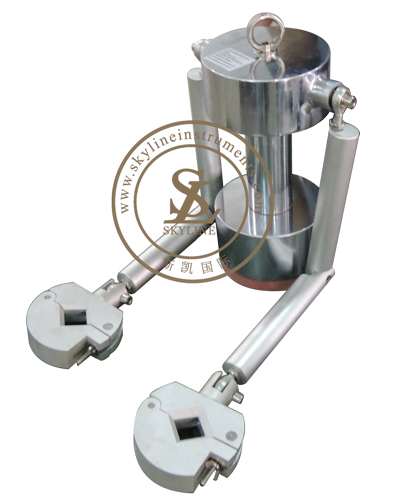
Physical Optical Instruments
Source high-precision physical optical instruments directly from vetted manufacturers and suppliers in China. Designed for importers, distributors, and brands requiring OEM/ODM production, our network delivers reliable optical testing and measurement apparatuses in bulk.
Sourcing physical optical instruments at scale requires navigating a complex intersection of precision optics, electronic sensor integration, and rigorous calibration. For wholesale buyers and OEM brands, the primary challenge is finding manufacturing partners capable of maintaining strict optical tolerances batch after batch, rather than just producing a successful prototype.
Defining Critical Optical Specifications
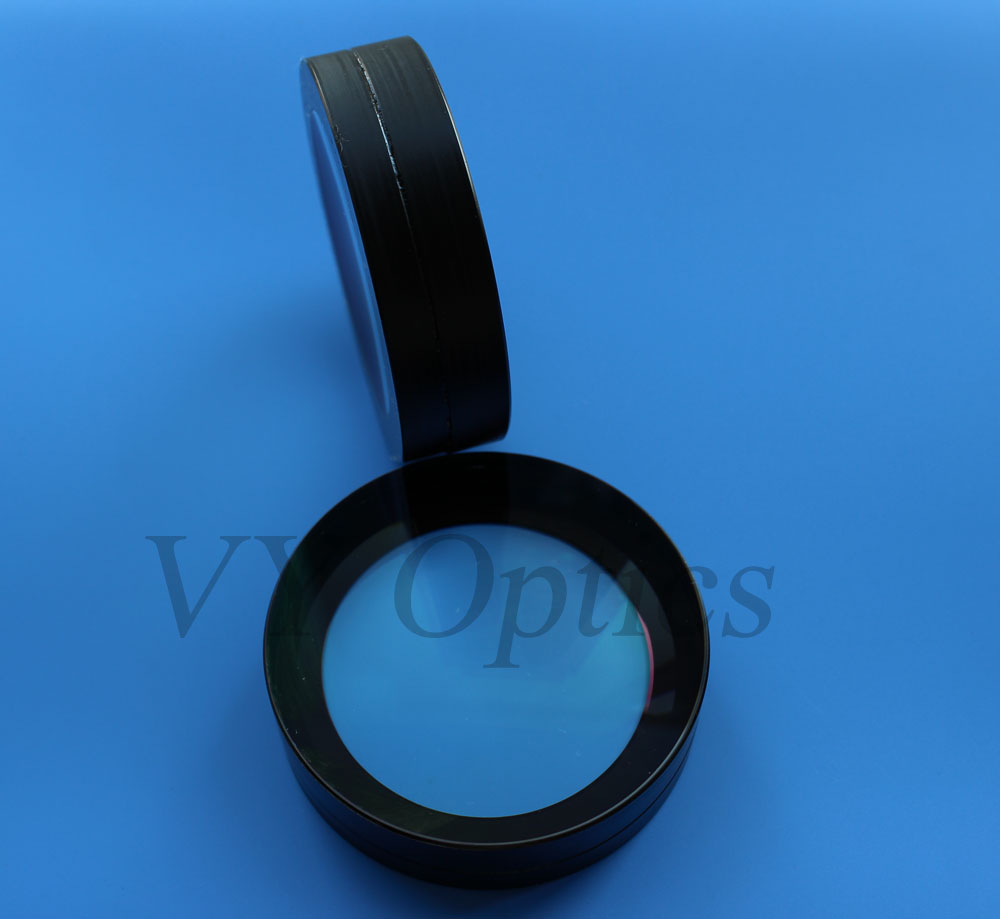
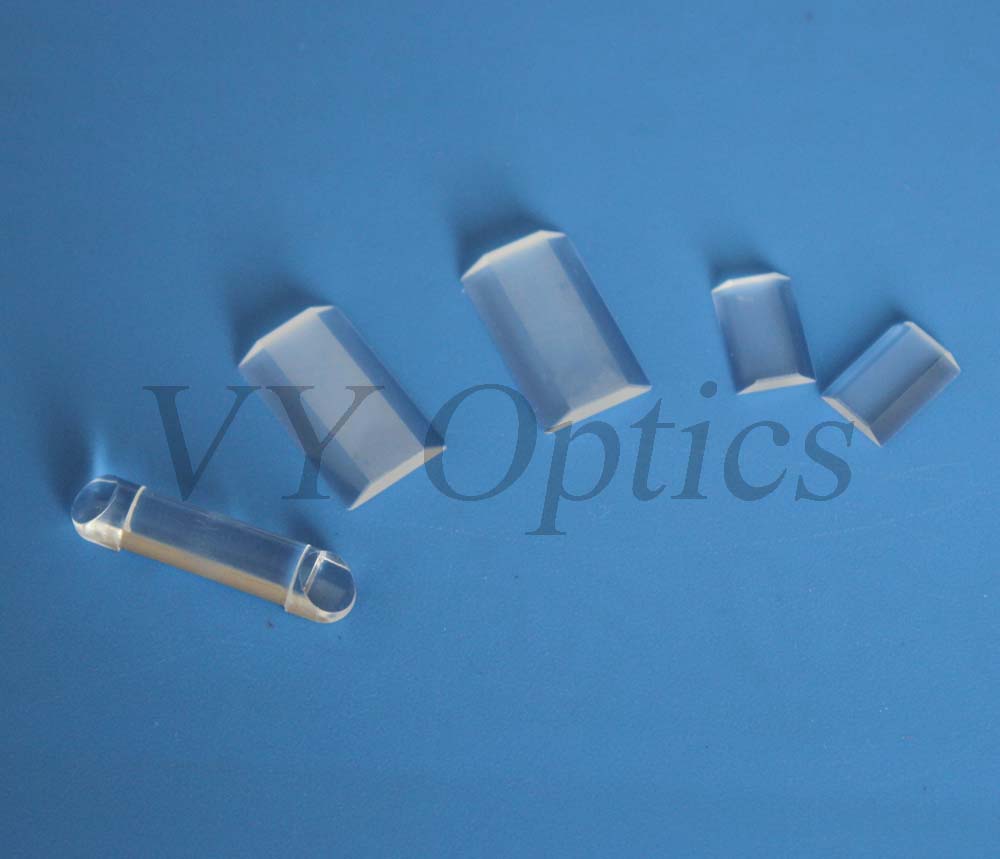
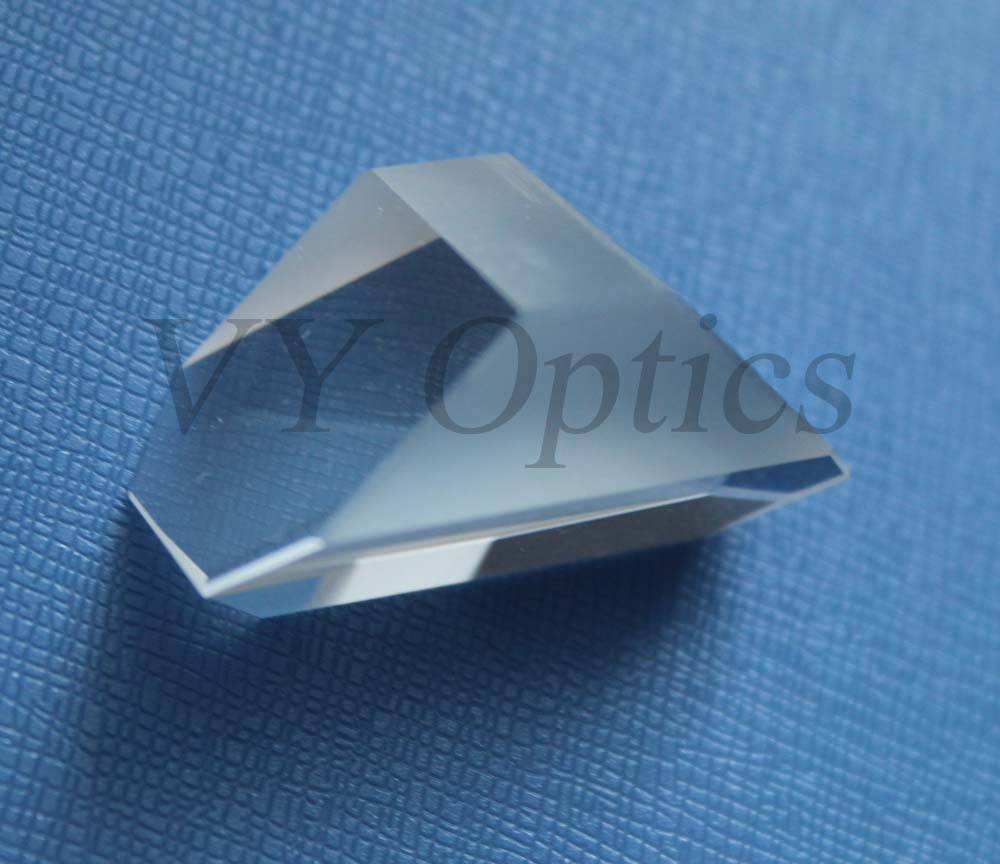
When negotiating with suppliers, vague specifications lead to inconsistent product performance. Physical optical instruments—such as those used for measuring light properties, refraction, or spectral analysis—rely heavily on the quality of their internal components. You must clearly define the parameters for the lenses, prisms, diffraction gratings, and sensors (CCD/CMOS) used in the assembly.
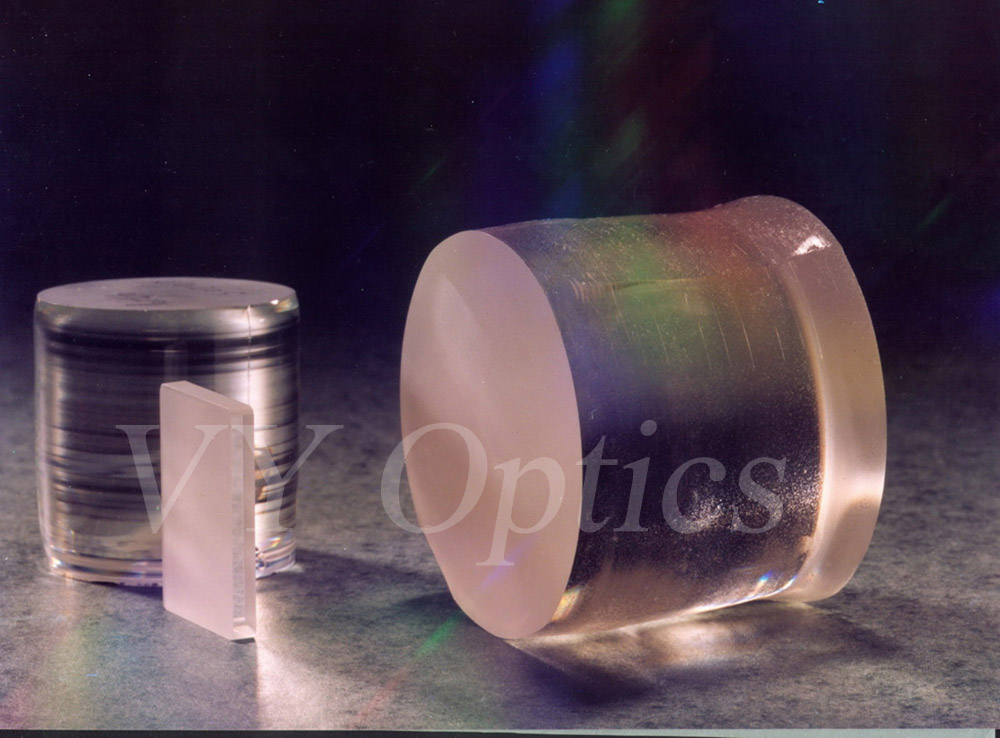
Key performance indicators to specify include wavelength range and accuracy, photometric repeatability, and stray light percentages. For high-end applications, the material of the optical components (e.g., N-BK7 glass versus fused silica for UV applications) dictates both the capability and the cost of the unit.
Essential Optical Specifications to Define
- Wavelength range and resolution (nm)
- Stray light limits (must be clearly quantified, e.g., under 0.1 percent)
- Optical component materials (glass type, coating specifications)
- Sensor type and pixel resolution
- Signal-to-noise ratio (SNR) requirements
Manufacturing Environment and Assembly Tolerances
The most common point of failure in optical instrument manufacturing is particulate contamination and misalignment during assembly. High-quality optical paths must be assembled in controlled environments. A standard factory floor will introduce dust that degrades sensor performance and scatters light.
Assembly should ideally take place in ISO Class 5 or Class 7 cleanrooms. Because many suppliers will claim to have cleanroom facilities without actually maintaining the necessary air filtration standards, conducting comprehensive Factory Audits is critical. You need to verify their environmental controls, worker gowning protocols, and optical alignment jigs before committing to a volume order.
Need to verify a supplier's cleanroom capabilities? Let our engineers audit the facility before you place an order.
Talk to our teamQuality Control and Calibration Standards
An optical instrument is only as good as its calibration. Instruments must be calibrated against traceable standards, and the manufacturer must have the in-house metrology equipment to verify this.
However, calibration at the factory does not guarantee performance upon arrival. International freight exposes sensitive optics to severe vibration and thermal shocks. Robust Quality Control & Inspection protocols must include drop testing and vibration testing of the packaged units to ensure the optical mounts do not drift during transit. Furthermore, if the instruments utilize lasers or emit specific radiation, you must ensure they undergo proper Compliance & Testing for CE, RoHS, and FDA laser safety standards where applicable in your target market.
| Feature | Standard Commercial Tier | High-Precision/Lab Tier |
|---|---|---|
| Optical Mounts | Fixed plastic/alloy | Machined aluminum, adjustable |
| Calibration | Batch calibrated | Individually calibrated with certificate |
| Stray Light | Under 0.5 percent | Under 0.05 percent |
| Housing | Injection-molded ABS | Die-cast metal for thermal stability |
MOQs, Lead Times, and Pricing Dynamics
Physical optical instruments are high-value, lower-volume items compared to general consumer electronics or basic lab supplies. Pricing is heavily driven by the sensor quality, the precision of the optical gratings, and the complexity of the integrated software.
If you are pursuing OEM/ODM Services to integrate proprietary software, customize the user interface, or alter the optical path, expect significantly higher upfront engineering costs and longer lead times.
Planning a custom optical instrument line? We can help you negotiate favorable MOQs and manage the development timeline.
Get a free consultationFrequently Asked Questions
A misaligned instrument is a useless instrument. Success in sourcing physical optical apparatuses ultimately comes down to vetting the manufacturer's assembly environment, locking down strict component specifications, and ensuring the packaging can survive international transit. Expert oversight on the factory floor is the most effective way to protect your investment.
Get Sourcing Help for Physical Optical Instruments
Tell us your requirements and our experts will connect you with verified manufacturers.