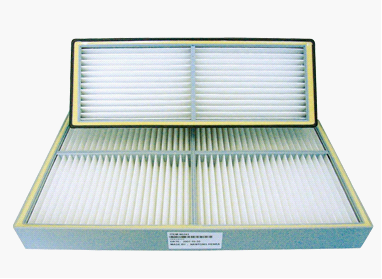
Photographic Instruments
Source high-quality Photographic Instruments directly from vetted manufacturers. Designed for importers, distributors, and brands seeking reliable OEM/ODM production, our network delivers precision optics, lighting, and support gear in bulk. Discover competitive wholesale pricing and secure your supply chain today.
Sourcing photographic instruments at scale requires navigating a complex intersection of optical engineering, precision mechanics, and advanced electronics. Whether you are importing professional lighting arrays, optical filters, stabilizing apparatuses, or calibration tools, the gap between an impressive prototype and consistent mass production is defined by factory-level quality management. For bulk buyers, success depends on locking down strict technical specifications and verifying supplier capabilities before tooling begins.
Defining Technical Specifications for Production
Photographic equipment leaves no room for ambiguous specifications. A minor deviation in a lens coating or a slight thermal failure in a continuous light source can result in entire batches being rejected by professional end-users. When approaching manufacturers, your Bill of Materials (BOM) and technical spec sheets must dictate exact tolerances.
Critical Spec Sheet Requirements
- Optical coating formulas (Anti-Reflective, UV, hydrophobic layers)
- Color rendering metrics (CRI 95+, TLCI, TM-30) for lighting instruments
- Material grades (e.g., Aluminum 6061-T6 or carbon fiber layups for mounts)
- IP rating requirements and gasket materials for weather-sealed housings
- Thermal dissipation limits and heatsink specifications for LED instruments
Many factories will default to off-the-shelf components to lower costs. If your brand requires specific optical glass (such as Schott or Hoya equivalents) or high-bin LED chips, these must be explicitly contracted.
Ensure your supplier meets strict optical and mechanical tolerances before production begins.
Talk to our teamManufacturing Bottlenecks and Quality Control
The production of photographic instruments involves multiple specialized processes, often requiring sub-contractors for anodizing, glass polishing, or PCB assembly. This fragmented supply chain introduces significant risk.
For optical elements, assembly environment is critical. Dust or moisture trapped between lens elements or inside sealed housings is a primary cause for high defect rates. Verifying a factory's cleanroom standards (typically ISO Class 5 to 7) is a mandatory step. Conducting thorough Factory Audits ensures the manufacturer actually possesses the environmental controls they claim, rather than just borrowing a facility for a video tour.
Thermal Management in Lighting
Continuous LED photographic instruments generate substantial heat. If a factory cuts corners on the internal aluminum heatsinks or cooling fans, the instrument will suffer from color shift (drifting Kelvin temperatures) and premature diode failure. Always require thermal stress testing during the prototype phase.
Once production is underway, rigorous Quality Control & Inspection is essential. In-line inspections should verify CNC machining tolerances before anodizing, while pre-shipment inspections must include functional testing: measuring light output with an integrating sphere, testing payload capacities on gimbals, and verifying optical clarity.
OEM vs. White-Label Sourcing Realities
Your procurement strategy will dictate your lead times, tooling investments, and minimum order quantities (MOQs). Utilizing existing factory molds (white-labeling) allows for faster market entry, while custom OEM/ODM Services offer product differentiation but require significant upfront investment in tooling and R&D.
| Production Route | Typical MOQ | Tooling Cost | Avg. Lead Time |
|---|---|---|---|
| White-Label (Existing Mold) | 500 - 1,000 units | Zero to Minimal | 30 - 45 days |
| Modified Off-the-Shelf | 1,000 - 2,000 units | Moderate (Custom finish/PCB) | 60 - 90 days |
| Full OEM (Custom Design) | 2,000+ units | High (Injection/CNC molds) | 90 - 120+ days |
Pricing in this category is highly volatile and tied directly to raw material costs (aluminum, rare-earth elements for glass, semiconductors). Negotiating the best price requires a deep understanding of the local supply chain and the true cost of the underlying materials, rather than just haggling over the final unit price.
Streamline your procurement and negotiate better terms with vetted photographic equipment manufacturers.
Get a free consultationFrequently Asked Questions
Sourcing photographic instruments requires a rigorous approach to technical validation and factory oversight. By clearly defining your optical, mechanical, and electronic requirements—and actively managing the quality control process on the factory floor—you can secure a reliable supply of professional-grade equipment that meets the exacting standards of the imaging industry.
Get Sourcing Help for Photographic Instruments
Tell us your requirements and our experts will connect you with verified manufacturers.