Photo Albums
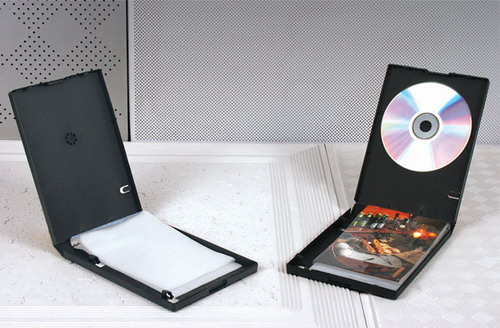
Source premium photo albums from vetted manufacturers and wholesale suppliers across Asia. Designed for importers, distributors, and brands seeking reliable OEM and private-label production, our network delivers consistent quality at scale. Connect with factory partners capable of handling high-volume custom orders and specialized binding requirements.
Sourcing photo albums at scale requires strict attention to binding integrity, archival material safety, and precise assembly. Whether you are importing traditional book-bound wedding albums or modern self-adhesive magnetic pages, failing to specify the exact chemical composition of the inner pages or the adhesive tolerances can lead to yellowing photos or structural failure during transport. Successful procurement in this category means navigating a complex matrix of paper grades, synthetic coverings, and specialized binding techniques.
Critical Specifications for Bulk Manufacturing
When negotiating with a photo album manufacturer, vague specifications will result in inconsistent batches. Professional buyers must define the exact parameters for every layer of the product, from the core board to the protective film.
- Cover Materials and Core Board: The rigidity and feel of an album depend on the greyboard core. Standard thickness ranges from 1.5mm to 2.5mm. Cover materials dictate the perceived value: PU (polyurethane) leather offers a premium feel for wedding and baby albums, while linen and cotton blends are currently trending for minimalist, eco-friendly lines. If using printed art paper, specify anti-scratch matte or gloss lamination.
- Inner Page Construction: The structural foundation of the page is typically a heavy cardstock (often 150gsm to 300gsm). For slip-in albums, the pocket material is critical. Specify high-clarity PP (polypropylene) rather than PVC, as PVC can emit gases that damage photographs over time.
- Archival Safety: To market albums as "archival quality," the paper must be specified as acid-free (pH neutral) and lignin-free. This prevents the pages from yellowing and turning brittle over decades of storage.
| Binding Type | Durability | Page Capacity | Ideal Application |
|---|---|---|---|
| Book-Bound (Sewn) | Maximum | Fixed (High) | Premium / Wedding / Baby |
| Post-Bound (Screw) | High | Expandable | Scrapbooking / Custom |
| Welded / Perfect Bound | Moderate | Fixed (Low to Med) | Promotional / Mass Market |
| Spiral / Wire-O | High | Fixed (Med) | Presentation / Portfolios |
Need to verify a factory's capability to produce premium book-bound albums? We can audit suppliers and manage your production run.
Talk to our teamManufacturing Tolerances and Quality Control
The primary failure points in photo album manufacturing occur during the gluing and binding phases. Factories running at high speeds or using substandard adhesives often produce albums that warp in transit or fall apart after minimal use. Implementing rigorous quality control and inspection protocols before shipment is essential.
Pre-Shipment Inspection Focus Areas
- Cover Warping: Check greyboard moisture content; high moisture leads to bowing during ocean freight.
- Adhesive Application: Inspect spine and endpapers for glue spillover, dry spots, or bubbling under the cover material.
- Film Clarity and Thickness: Verify PP film thickness (typically 30 to 50 microns) and check for scratches or cloudiness.
- Pocket Integrity: Stress-test the ultrasonic welding or gluing on slip-in pockets to ensure they do not split when photos are inserted.
- Alignment: Ensure the spine is perfectly centered and the text block sits flush within the cover overhang.
Customization and OEM Capabilities
For brands executing private-label strategies, the ability to customize is a key differentiator. Working with factories that offer comprehensive OEM/ODM services allows you to create proprietary designs rather than relying on off-the-shelf white-label goods.
Customization typically involves specialized tooling. Foil stamping and blind debossing on PU leather covers require custom brass or zinc dies. Die-cut windows on the front cover demand precise alignment during the automated wrapping process. Furthermore, premium albums often require matching slipcases or presentation boxes. Coordinating the album production with the branding and design of the outer packaging ensures color matching and a snug fit, preventing damage during final fulfillment.
Pricing Drivers, MOQs, and Lead Times
Unit costs in photo album manufacturing are highly sensitive to material choices and page counts. A standard 200-photo slip-in album with a printed paper cover will cost significantly less than a 50-page self-adhesive album wrapped in premium linen.
MOQs are often dictated by the raw material suppliers rather than the album assembly factory. If you specify a custom dyed linen or a non-standard PU leather texture, the fabric mill may require a minimum order equivalent to 2,000 or more albums. Using stock materials can significantly lower your initial volume commitments.
Looking to optimize your unit costs and secure reliable production capacity for your next high-volume order?
Get a free consultationBuyer FAQ
Sourcing photo albums in bulk is an exercise in balancing aesthetic appeal with structural longevity. By defining strict material specifications and enforcing rigorous quality standards on the factory floor, you can build a resilient supply chain that delivers products your customers will trust with their most valuable memories.
Get Sourcing Help for Photo Albums
Tell us your requirements and our experts will connect you with verified manufacturers.