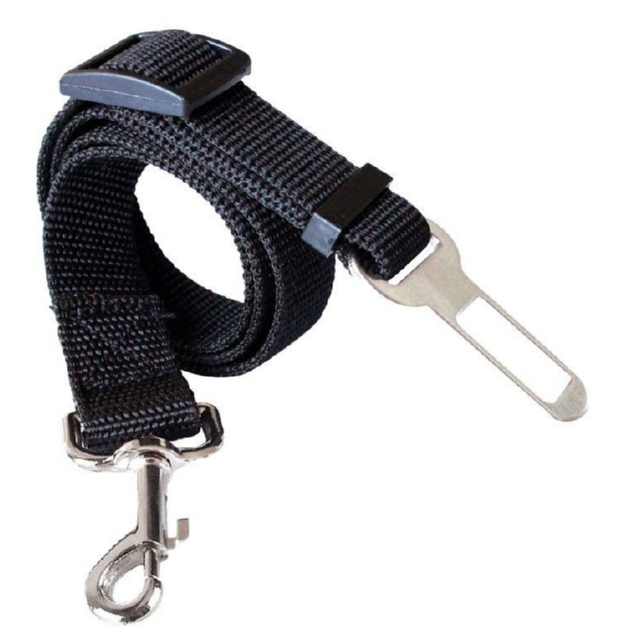
Pet Leashes
Source high-quality pet leashes from vetted manufacturers and wholesale suppliers. Designed for importers, distributors, and pet brands seeking reliable OEM/ODM production, our factory-direct network ensures consistent quality, competitive pricing, and scalable volume for your supply chain.
Sourcing pet leashes in high volumes requires balancing material costs with strict safety standards. While the product appears simple, a leash is a critical safety device. Hardware failure, weak stitching, or fraying webbing at scale can lead to severe liability and immediate brand damage. Successful procurement relies on specifying the correct tensile strengths, selecting appropriate hardware plating, and enforcing rigorous quality control on the factory floor.
Core Specifications: Webbing and Hardware
The foundation of any durable leash is the webbing material and the attachment hardware. Buyers must clearly specify material grades rather than relying on factory defaults, which often skew toward cost-saving blends.
| Material | Tensile Strength | Water Resistance | Primary Application |
|---|---|---|---|
| High-Density Nylon | Excellent | Moderate | Standard heavy-duty leashes |
| Polyester | Good | Moderate | Sublimation printed designs |
| PVC/TPU Coated | Excellent | Complete | Waterproof, easy-clean lines |
| Tubular Webbing | Superior | Moderate | High-load tactical or large breed |
Hardware Selection and Plating
The swivel snap hook is the most common point of failure. Zinc alloy is the industry standard for cost-effectiveness, but it must be cast cleanly without internal air bubbles (porosity), which drastically reduces breaking strength. For premium lines, stainless steel or aviation-grade aluminum is preferred.
Equally important is the plating. Cheap spray-painted hardware chips quickly and rusts. Specify electrophoresis (e-coating) or PVD (Physical Vapor Deposition) for black hardware, and electroplating for brass or nickel finishes to ensure long-term corrosion resistance.
Ensure your specifications are met on the factory floor with our expert sourcing and production management.
Talk to our teamManufacturing Tolerances and Quality Control
Quality is won or lost in the assembly and stitching phases. The connection points where the webbing loops around the hardware or forms the handle must endure sudden, high-impact force.
Factories should use heavy-duty bonded nylon or polyester thread. The standard for load-bearing joints is a "Box-X" stitch or an automated bar-tack. If the factory relies on single straight stitching or uses low-grade cotton-blend threads, the leash will fail under sudden tension.
Implementing strict Quality Control & Inspection protocols is essential before shipment.
Pre-Shipment Inspection Checklist for Leashes
- Tensile strength testing (pull testing to specified limits based on dog weight class).
- Hardware functionality (spring retention and smooth swivel action on snap hooks).
- Stitch density and pattern verification at all load-bearing points.
- Colorfastness testing (rub testing to ensure dyes do not bleed onto fur or skin).
- Corrosion resistance (salt spray testing for hardware plating).
Customization and Private Labeling
For brands looking to differentiate, OEM/ODM Services allow for extensive customization. This includes custom-molded hardware with engraved logos, specialized jacquard weaving where the pattern is woven directly into the webbing rather than printed, and custom TPR (Thermoplastic Rubber) logo patches.
When specifying custom hardware molds, expect a one-time tooling fee. Ensure the factory provides 3D CAD drawings and physical prototypes for load testing before mass production begins.
Break Strength Ratios
A general rule of thumb for leash manufacturing is that the hardware and webbing should withstand a static pull test of at least 3 to 4 times the maximum weight of the intended dog breed. Always specify this ratio in your purchase order.
Pricing, MOQs, and Lead Times
Unit costs for pet leashes fluctuate based on webbing width, hardware material, and customization methods. Sublimation-printed polyester leashes with standard zinc alloy hardware represent the lower end of the cost spectrum, while PVC-coated webbing with custom aluminum carabiners commands a premium.
Factories often require higher MOQs for custom dyed webbing (pantone matching) compared to stock colors. To optimize costs, buyers often consolidate multiple sizes (e.g., 5/8 inch, 3/4 inch, 1 inch widths) using the same hardware style and webbing color to meet factory material minimums.
Optimize your order structures and negotiate better terms with vetted pet product manufacturers.
Get a free consultationFrequently Asked Questions
Sourcing reliable pet leashes at scale means looking past surface aesthetics to scrutinize thread types, hardware casting quality, and stitching patterns. By partnering with factories that understand load-bearing safety requirements and validating those standards through independent Compliance & Testing, buyers can secure durable products that protect both the end-user and the brand's reputation.
Get Sourcing Help for Pet Leashes
Tell us your requirements and our experts will connect you with verified manufacturers.