Pet Grooming Products
Source high-quality Pet Grooming Products directly from vetted manufacturers and wholesale suppliers in China. Designed for importers, distributors, and pet brands seeking reliable OEM and private-label production, our network delivers consistent quality at scale for professional and retail markets.
Sourcing pet grooming products at scale requires navigating a complex manufacturing landscape that spans precision metallurgy, injection molding, and consumer electronics. Whether you are procuring mechanical hand tools like shears and slicker brushes or electric clippers with lithium-ion batteries, the primary sourcing challenge is ensuring consistent material quality and ergonomic durability across high-volume production runs. A misstep in steel grading or motor specification can lead to rapid dulling, overheating, and ultimately, severe brand damage.
Material Specifications for Grooming Hard Goods
The performance of any mechanical grooming tool is dictated by the raw materials used. Professional groomers and discerning pet owners expect tools that maintain their edge, resist corrosion, and withstand daily sterilization. When negotiating with suppliers, you must define exact material specifications rather than relying on generic terms like "stainless steel."
| Tool Type | Standard Market Material | Professional Grade Specification |
|---|---|---|
| Grooming Shears | 420J2 Stainless Steel (HRC 50-52) | 440C or VG-10 Steel (HRC 58-62) |
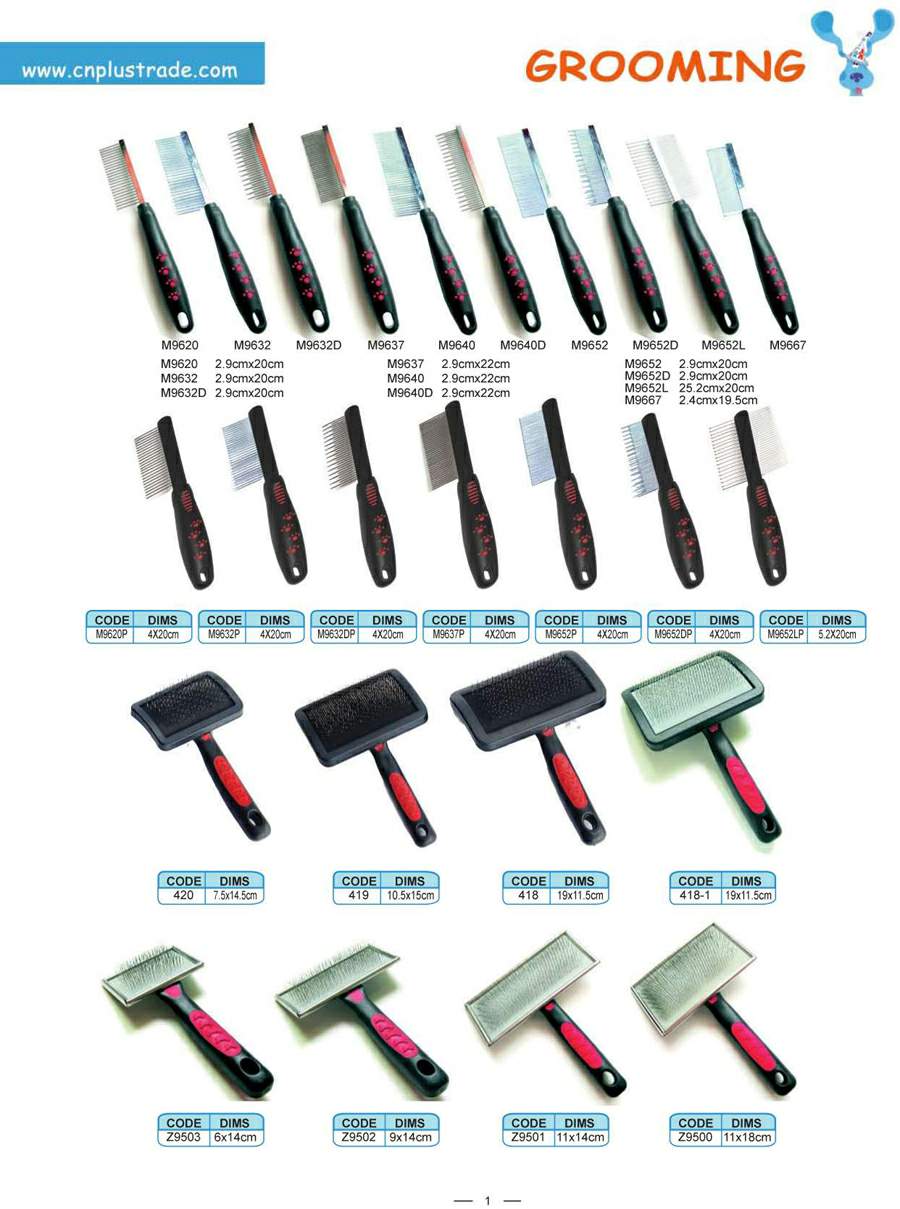
| Slicker Brushes | Standard Carbon Steel Pins | Stainless Steel Pins with Epoxy-Coated Tips |
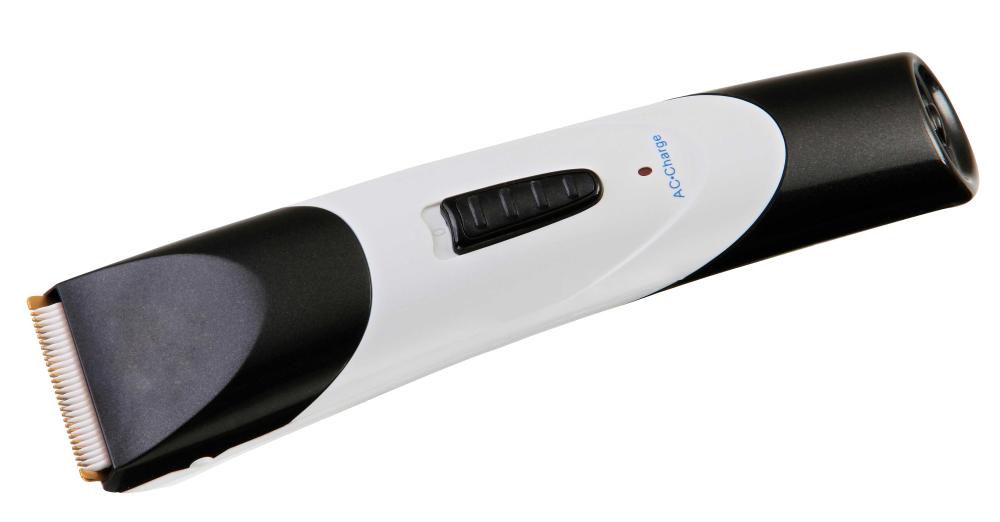
| Clipper Blades | High-Carbon Steel | Ceramic Cutters with Titanium-Coated Fixed Blades |
| Tool Handles | Basic Polypropylene (PP) | ABS Overmolded with TPR for grip |
Specifying Rockwell Hardness (HRC) is critical for cutting tools. Standard consumer shears often sit around HRC 50, which loses its edge quickly on dense pet undercoats. Professional-grade shears require HRC 58 or higher, demanding more advanced heat treatment processes at the factory level.
Need help verifying supplier material capabilities? We can match your technical requirements with qualified manufacturers.
Talk to our teamElectric Clippers: Motor and Battery Realities
Electric grooming devices introduce the complexities of consumer electronics. The core components driving cost and lifespan are the motor type and the battery cell chemistry.
Many factories will quote low prices by utilizing standard rotary motors and low-capacity nickel-cadmium (NiCd) batteries. For modern retail and professional markets, buyers should specify brushless DC motors (BLDC) for higher torque and longer lifespans, paired with Lithium-ion (Li-ion) 18650 cells. You must also ensure the factory has the proper testing equipment to measure RPM stability under load—a clipper that bogs down in thick fur is a primary cause of high return rates.
If you are developing proprietary ergonomic designs or custom functionality, utilizing structured OEM/ODM Services ensures your intellectual property is protected while navigating the tooling and PCB design phases.
Quality Control Vulnerabilities on the Factory Floor
Defects in grooming products often stem from rushed assembly or skipped inline testing. For brushes and combs, insufficient curing time for the adhesives holding the pin pads can lead to complete failure. For clippers, poor blade alignment during final assembly causes pulling and snagging.
Implementing rigorous Quality Control & Inspection protocols before shipment is non-negotiable.
Critical Inspection Points for Grooming Tools
- Blade tension and alignment verification (shears and clippers)
- Motor load testing (running clippers for 60 plus minutes to evaluate heat dissipation)
- Pull-out force testing for brush bristles, pins, and shedding teeth
- Battery cycling verification and charger certification checks (CE, UL, RoHS)
- Ergonomic grip adhesion testing (checking for TPR peeling from ABS substrates)
Production Realities: MOQs, Lead Times, and Hubs
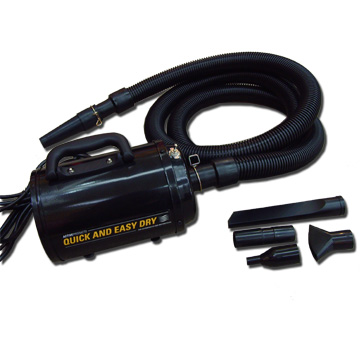
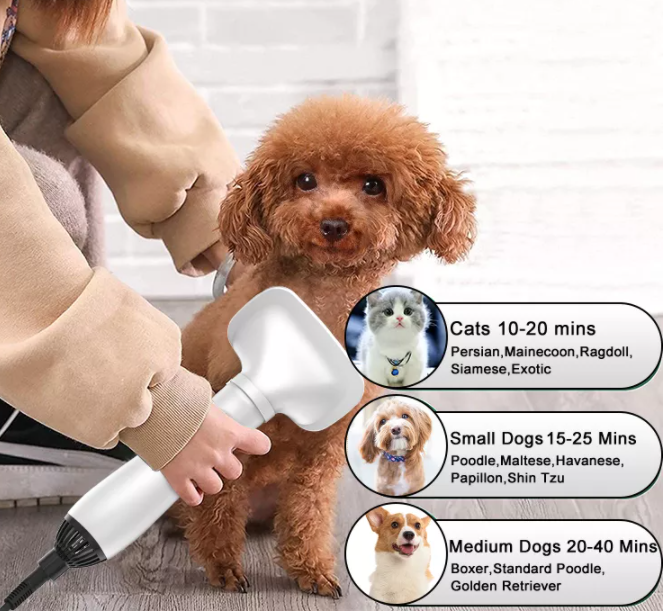
The manufacturing landscape for pet grooming products is highly regionalized in China. Guangdong province (specifically Shenzhen and Dongguan) dominates the electronic clipper and pet dryer market due to its robust electronics supply chain. Conversely, Zhejiang and Jiangsu provinces are the primary hubs for mechanical tools, plastic brushes, and combs.
Because production capabilities are so specialized, buying a full range of grooming products often requires coordinating multiple factories. Conducting thorough Factory Audits is essential to verify that a supplier is the actual manufacturer of the specific tool, rather than a trading company outsourcing to lower-tier workshops.
Planning a multi-product grooming line? Let us streamline your supplier coordination and quality control.
Get a free consultationFrequently Asked Questions
Successfully sourcing pet grooming products requires moving past surface-level aesthetics to control the underlying metallurgy, motor specs, and assembly tolerances. By defining strict technical requirements and enforcing rigorous inline inspections, you can build a product line that earns the trust of both pet owners and professional groomers.
Get Sourcing Help for Pet Grooming Products
Tell us your requirements and our experts will connect you with verified manufacturers.