Pet Bowls & Feeders
Source high-quality Pet Bowls & Feeders from vetted suppliers and manufacturers across Asia. Designed for importers, wholesalers, and pet brands seeking reliable OEM and private-label production, our network delivers scalable manufacturing for everything from basic stainless steel to advanced smart feeders.
Bulk sourcing pet feeding products spans a massive spectrum of manufacturing disciplines—from deep-draw metal stamping for stainless steel bowls to PCB assembly for Wi-Fi-enabled smart feeders. The primary sourcing challenge is maintaining strict food-contact safety standards while controlling unit costs at scale. Buyers must navigate varying material grades, tooling precision, and electronics reliability to build a profitable, compliant product line.
Material Specifications & Factory Capabilities
The material dictates the factory profile. A supplier specializing in injection-molded plastics is rarely equipped to handle high-grade ceramic firing or stainless steel polishing. Identifying the right manufacturer requires matching your material specifications to their core competency.
| Material Type | Key Specifications | Common Sourcing Risks |
|---|---|---|
| Stainless Steel | Grade 304 or 201; 0.4mm to 0.8mm thickness | Substituting 304 for 201 (rust risk); poor electro-polishing |
| Ceramic | High-temperature firing; lead/cadmium-free glaze | Pinholing in glaze; base warping causing instability |
| Plastic / Melamine | Food-grade PP/Melamine; BPA-free | Using recycled resins; thin walls leading to cracking |
| Silicone | Food-grade; Shore A hardness 40-70 | Curing agent residue; tearing at fold lines (collapsible bowls) |
When sourcing stainless steel, the thickness of the metal sheet directly impacts the perceived quality and durability. A thickness of 0.4mm is typical for budget options, while premium brands often specify 0.6mm to 0.8mm to prevent denting.
Struggling to verify material grades with your current suppliers? Let us handle the vetting and quality assurance.
Talk to our teamSmart Feeders: Navigating Electronics & OEM Production
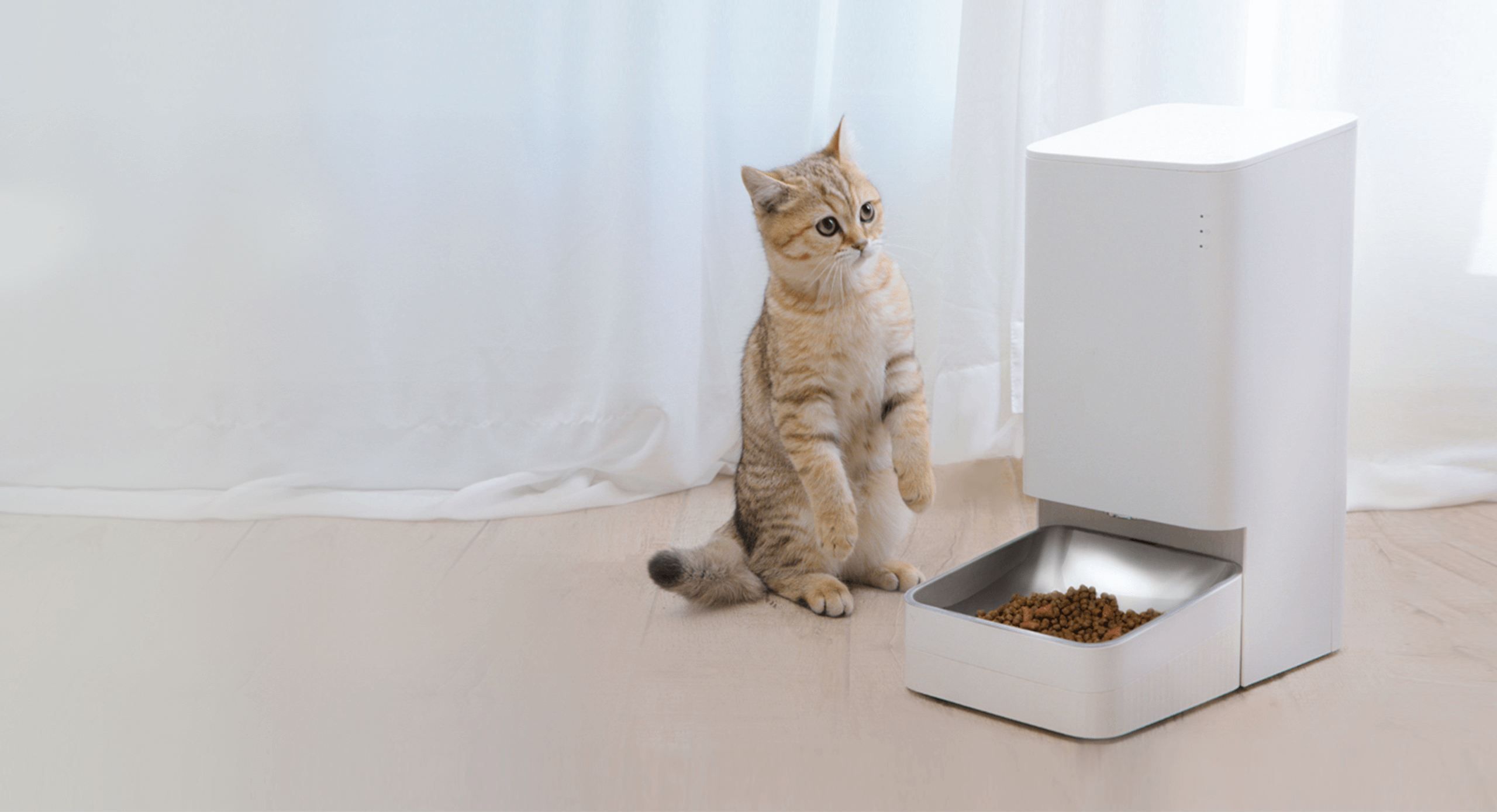
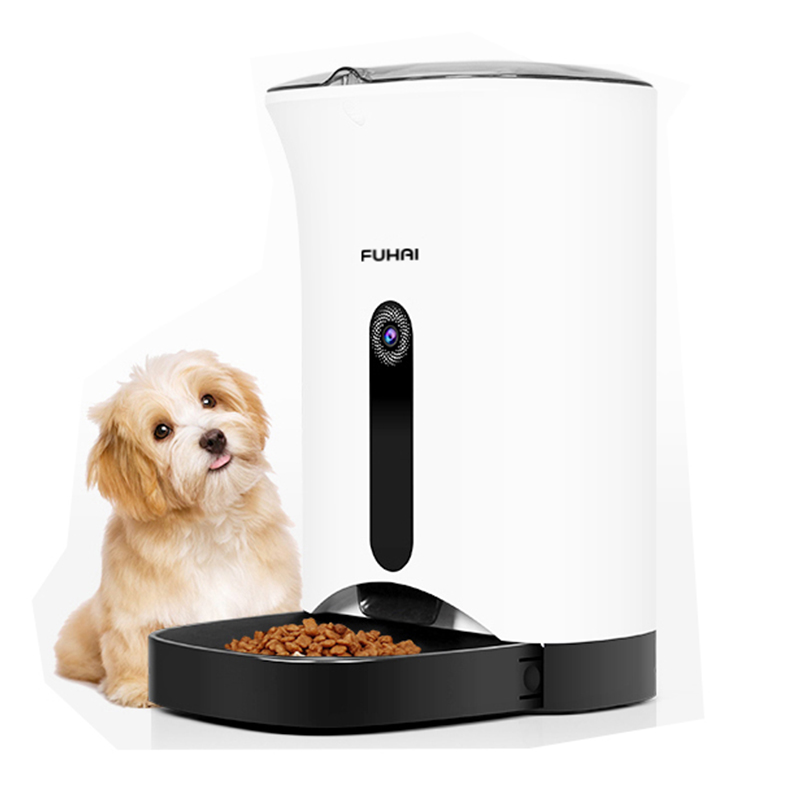
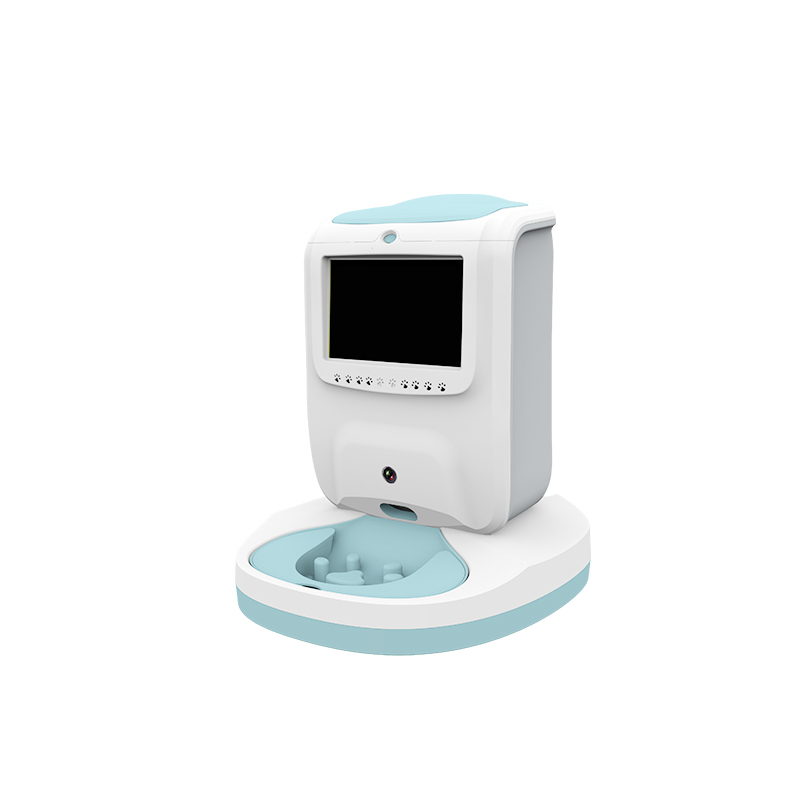
Moving from passive bowls to automated smart feeders shifts the sourcing focus from material forming to electronics assembly, motor durability, and IoT connectivity. Smart feeders are highly susceptible to mechanical jamming and software connectivity issues.
If you are developing a proprietary smart feeder, leveraging professional OEM/ODM Services is critical to ensure your tooling and IP remain protected while bridging the gap between hardware engineering and plastics manufacturing.
Critical Checks for Smart Feeder Manufacturing
- Infrared sensor calibration for accurate food level detection
- Anti-jamming reverse motor mechanisms for irregular kibble sizes
- Moisture protection for PCBs, especially near water dispensers
- Wi-Fi and Bluetooth module certifications for your target market (FCC/CE)
- Food-grade silicone seals to maintain kibble freshness
Quality Control & Compliance Standards
Pet products face increasing regulatory scrutiny. Heavy metals in ceramic glazes or non-compliant plastics can trigger customs seizures, marketplace delisting, or costly recalls.
Specify Food-Grade Requirements
Always explicitly state food-grade requirements (e.g., FDA or LFGB) in your purchase orders. Do not assume "pet use" implies food-safe materials in the supplier's domestic market.
Rely on rigorous Compliance & Testing to verify material safety before mass production begins. During production, implement strict Quality Control & Inspection protocols. Inspectors should perform drop tests on plastics, check for uneven bases on ceramics, and run continuous dispensing cycles on automated feeders to catch motor fatigue early.
Typical MOQs, Lead Times, and Pricing Dynamics
Volume requirements and production timelines vary significantly based on the complexity of the feeder and whether you are using public molds or custom tooling.
Need to negotiate better MOQs or consolidate shipments from multiple pet supply factories? We can optimize your supply chain.
Get a free consultationFrequently Asked Questions
Sourcing pet bowls and feeders requires vigilance over raw materials and assembly lines. Whether you are scaling a basic stainless line or launching an IoT smart feeder, controlling the specifications at the factory floor is the only way to protect your brand and your margins. Professional sourcing support ensures your products meet strict compliance standards without sacrificing unit economics.
Get Sourcing Help for Pet Bowls & Feeders
Tell us your requirements and our experts will connect you with verified manufacturers.