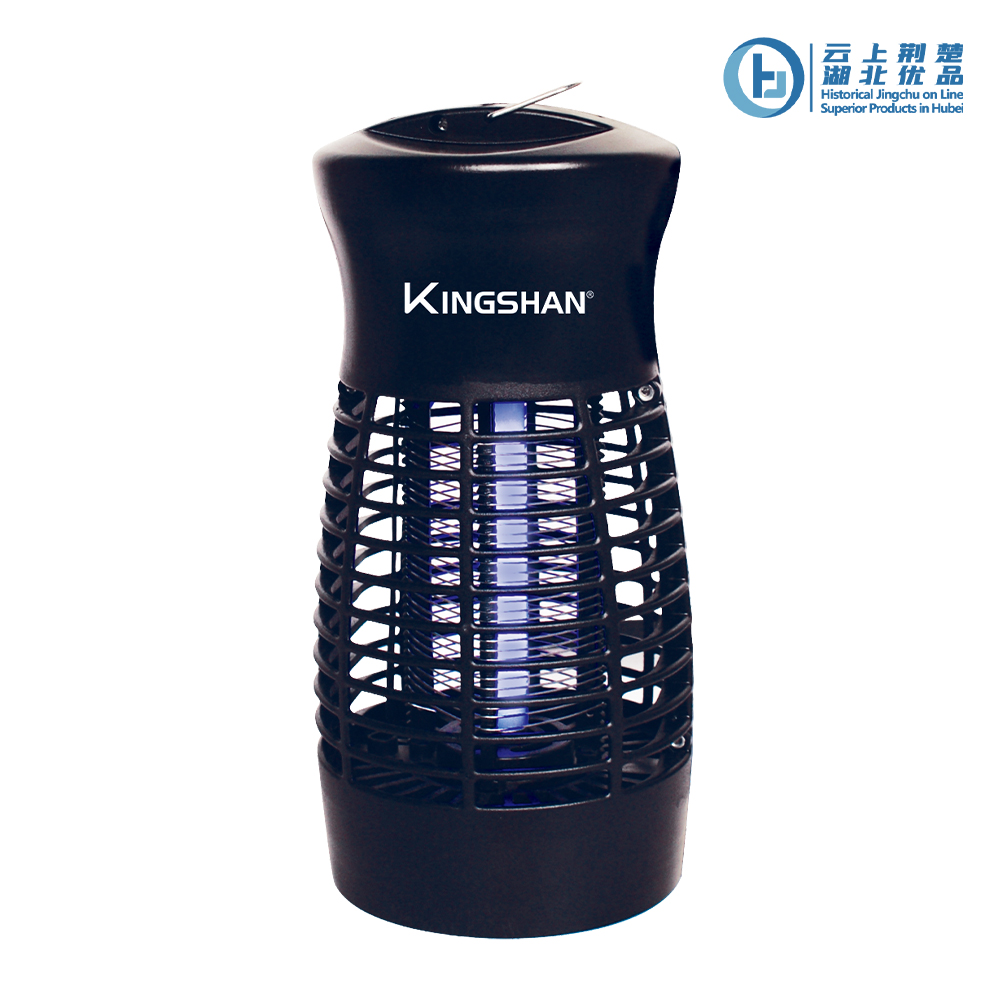
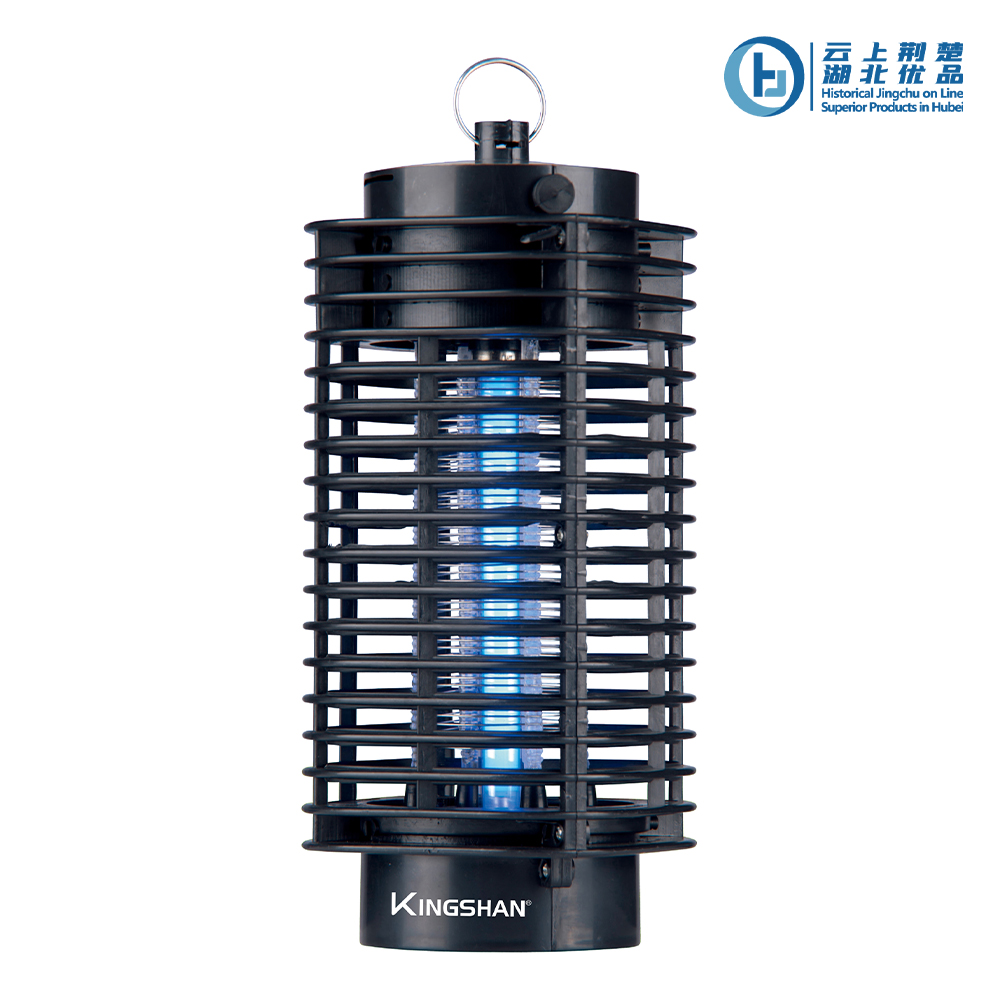
Pest Control
Source reliable wholesale pest control equipment from vetted manufacturers and suppliers in China and Asia. Designed for importers, wholesalers, distributors, and brands seeking OEM/private-label production, our network delivers scalable solutions from electronic repellers to heavy-duty mechanical traps.
Sourcing pest control products for home and garden applications requires navigating a highly fragmented manufacturing base. The core procurement challenge is verifying factory claims—many suppliers exaggerate ultrasonic frequencies, UV lamp lifespans, or weather-resistance ratings to win orders. Securing reliable, market-ready hardware means auditing the factory's component sourcing, injection molding standards, and final assembly testing.
Defining Specifications for Pest Control Devices
Whether you are importing mechanical traps or electronic repellers, generic specifications lead to inconsistent product performance. Factories often substitute cheaper materials if exact parameters are not documented in your purchase order.
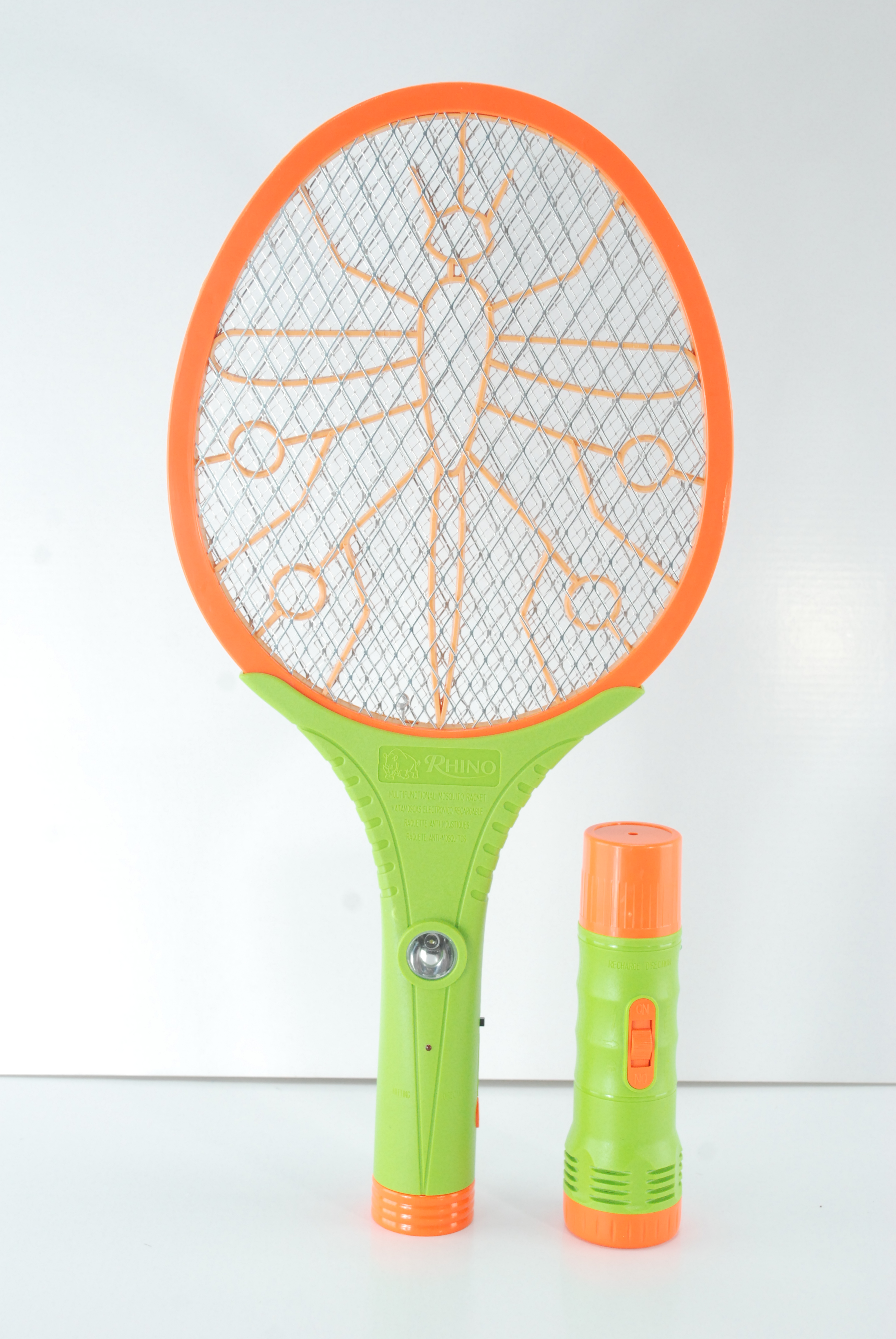
For electronic devices (like solar animal repellers or bug zappers), the critical variables are the printed circuit board (PCB) quality, battery capacity, and IP (Ingress Protection) ratings. Outdoor devices must be rated IPX4 or higher to withstand rain. For mechanical devices (snap traps, live catch cages, bait stations), the focus shifts to material durability: galvanized steel to prevent rust, and high-impact plastics.
| Component | Standard Market Spec | Premium / Commercial Spec |
|---|---|---|
| Housing Material | Standard ABS or Recycled PP | Virgin ABS with UV Stabilizers |
| Electronic Water Resistance | Unrated or IPX3 | IPX4 to IPX5 (Sealed gaskets) |
| Springs & Wire (Traps) | Untreated or lightly plated steel | Heavy-duty galvanized or Stainless Steel 304 |
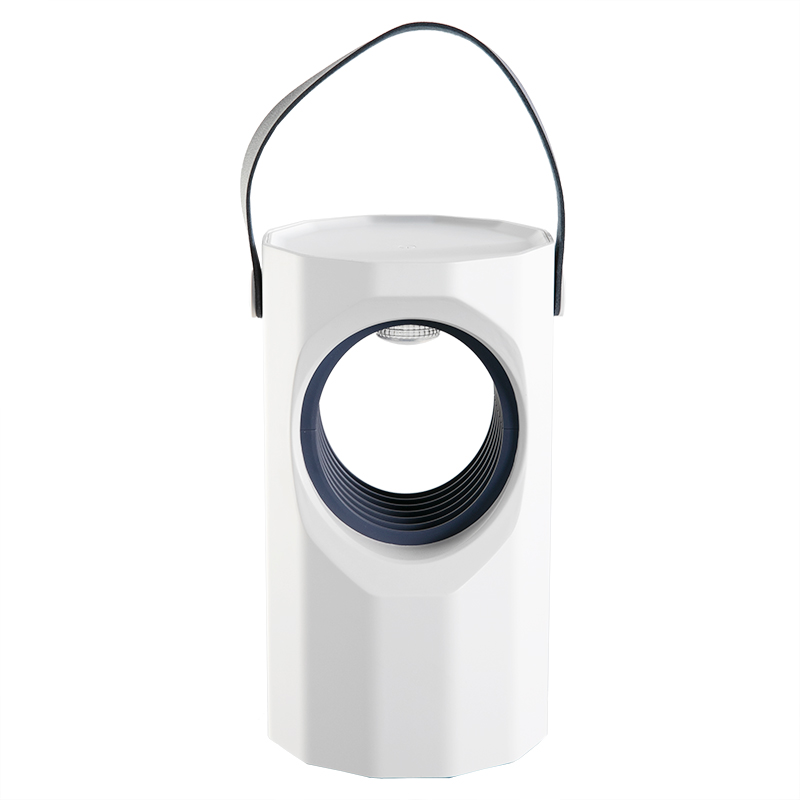
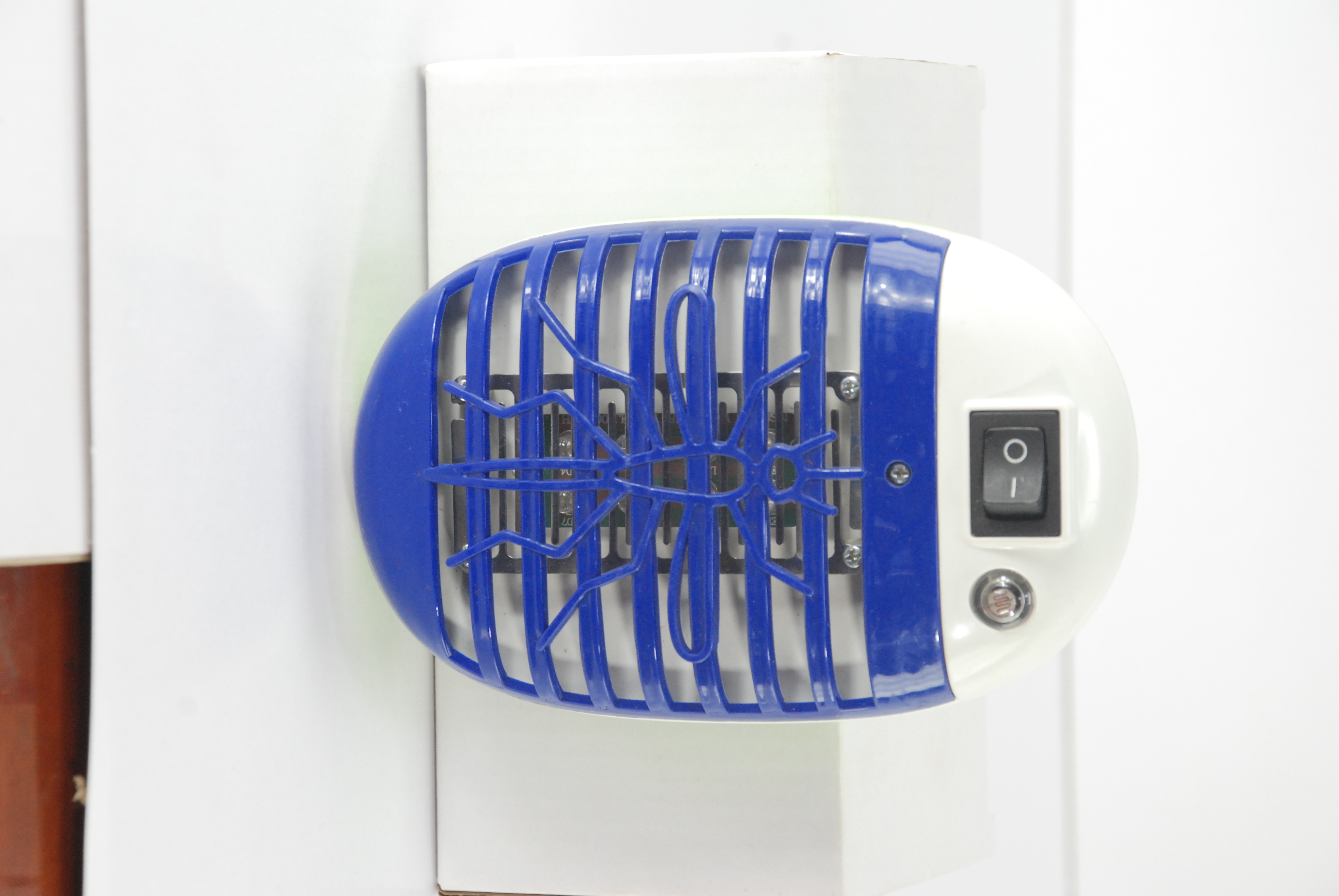
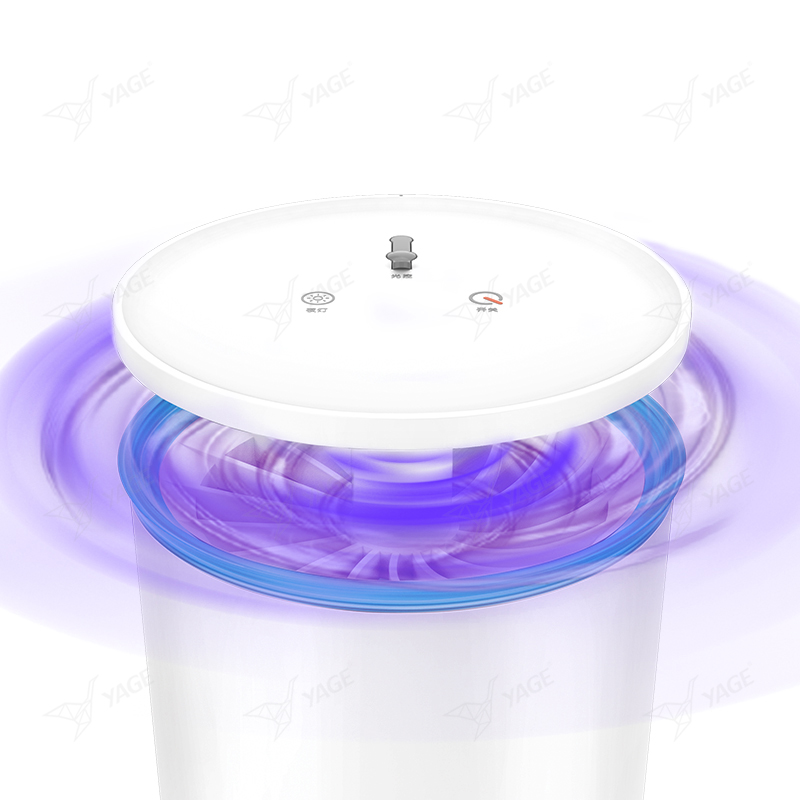
| Mosquito Zapper Light | Standard Blue LED | True UV-A Tube (365nm wavelength) |
Factory Floor Realities and Quality Control
The manufacturing hubs for pest control products are largely split by product type. Zhejiang province (particularly Ningbo and Yongkang) dominates hardware, metal-forming, and plastic injection molding for mechanical traps and bait stations. Guangdong province (Shenzhen and Dongguan) is the primary hub for electronic and solar-powered repellers.
Quality degradation usually happens when factories outsource sub-components to unverified workshops. For instance, a factory might produce excellent plastic housings but source cheap, fast-degrading UV tubes or unreliable PIR (Passive Infrared) sensors for their electronics. Implementing rigorous Quality Control & Inspection is non-negotiable to catch these substitutions before shipping.
Critical Pre-Shipment Inspection Points
- Verify PIR sensor detection range and angle using standardized distance tests.
- Inspect battery capacity and solar panel wattage against the agreed BOM (Bill of Materials).
- Test mechanical trap spring tension and trigger sensitivity with calibrated weights.
- Check housing seals, rubber gaskets, and ultrasonic welding for IP rating integrity.
- Confirm UV additive presence in plastics to prevent outdoor degradation and cracking.
Need help verifying a factory's technical capabilities? Ensure your pest control supplier meets strict quality and performance standards.
Talk to our teamRegulatory Compliance and Testing
Pest control is a highly regulated category, even for non-chemical hardware. In the United States, electronic repellers and mechanical traps are often classified as "pest control devices" by the EPA. While they do not require chemical registration, they must be produced in an EPA-registered establishment, and the facility's establishment number must appear on the product label. Furthermore, any electronic device requires FCC certification for the US market, or CE/RoHS for Europe. Utilizing professional Compliance & Testing services ensures your shipments are not seized at customs due to missing documentation.
Wholesale Pricing, MOQs, and Production Lead Times
Pricing in this category is highly dependent on raw material costs (plastic resins, steel) and electronic component availability. Most manufacturers operate on an OEM/ODM basis, allowing you to customize colors, packaging, and branding.
If you are developing a proprietary design to avoid direct price competition, leveraging OEM/ODM Services to open custom injection molds is a common strategy. Tooling costs for plastic housings are relatively low compared to other industries, typically ranging from a few thousand dollars depending on the complexity and number of cavities.
Optimize your unit costs, manage custom tooling, and negotiate better terms with vetted manufacturers.
Get a free consultationFrequently Asked Questions
Successfully sourcing pest control products requires moving past surface-level specifications and controlling the bill of materials at the factory level. By enforcing strict component standards and compliance checks, buyers can build a reliable, high-margin product line that performs exactly as advertised.
Get Sourcing Help for Pest Control
Tell us your requirements and our experts will connect you with verified manufacturers.