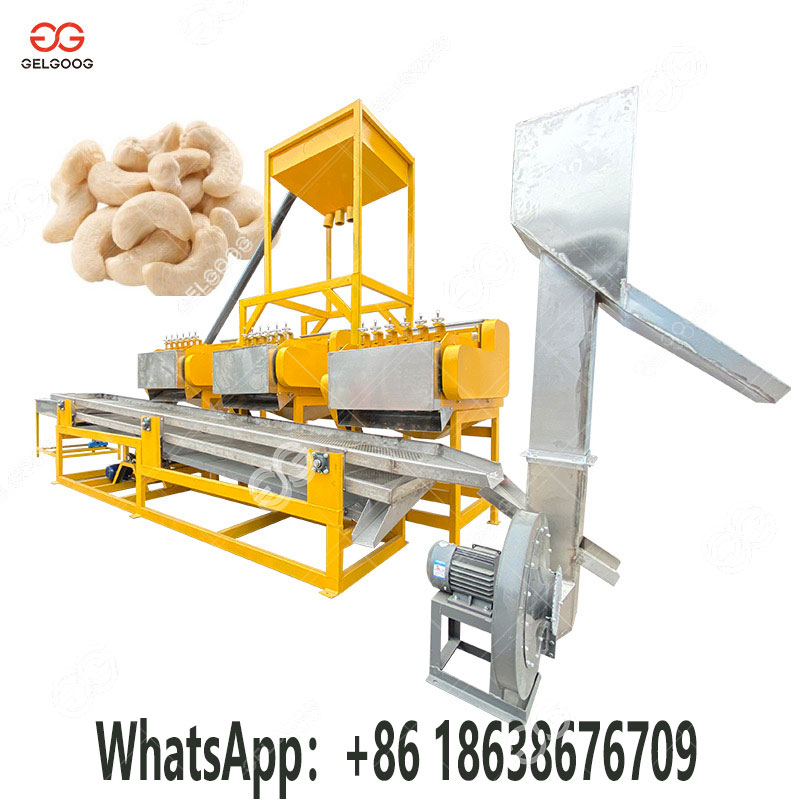
Peeling and Hulling Machinery
Source commercial-grade peeling and hulling machinery from vetted manufacturers and wholesale suppliers. Designed for agricultural importers, distributors, and processing facilities, our network offers high-capacity equipment with customizable OEM/ODM options to meet strict international processing standards.
Sourcing industrial peeling and hulling machinery requires balancing high throughput with minimal product damage. Whether your end-users are processing rice, maize, peanuts, or root vegetables, the core challenge lies in specifying equipment that maintains consistent friction or abrasive action over thousands of hours without degrading the yield quality.
Critical Specifications for Bulk Procurement
When negotiating with manufacturers, vague specifications lead to inconsistent machinery performance. High-capacity processing facilities evaluate equipment based on two primary metrics: hulling/peeling efficiency (the percentage of successfully processed product) and the breakage rate (the percentage of damaged kernels or produce).
To ensure the equipment meets operational demands, you must define the following technical parameters in your purchase order:
Essential Machinery Specifications
- Throughput Capacity: Specified in kg/hr or tons/hr based on the specific crop density.
- Efficiency Targets: Hulling or peeling rates should consistently test over 95 percent.
- Breakage Limits: Acceptable damage rates must remain under 2 percent for premium grain or nut processing.
- Motor Specifications: Exact kW ratings, phase requirements (usually 3-phase), and voltage/frequency (e.g., 380V/50Hz vs. 440V/60Hz).
- Material Grades: Food-contact zones must be specified as SS304 or SS316L to meet international food safety compliance.
Need help verifying factory capabilities for high-capacity agricultural processing equipment?
Talk to our teamManufacturing Quality and Component Standards
Not all peeling and hulling machinery is built to the same standard. The difference in operational lifespan often comes down to the quality of the wear parts and the precision of the moving components.
Factories targeting lower price points may compromise on the abrasive rollers (emery rolls), rubber rollers, or internal sieves. For example, low-grade rubber rollers may wear out in 50 hours of continuous use, whereas high-quality polyurethane or premium rubber compounds can last over 200 hours. Furthermore, inadequate bearing seals can allow agricultural dust to penetrate and destroy the internal mechanics.
| Component | Standard Specification | Premium/Export Specification |
|---|---|---|
| Contact Materials | Carbon Steel or SS201 | Food-Grade SS304 or SS316L |
| Drive Motors | Domestic Tier-2 Brands | Siemens, ABB, or WEG |
| Wear Parts (Rollers) | Standard Rubber / Basic Emery | High-Durability Polyurethane / High-Grade Emery |
| Controls | Manual Switchgear | PLC Touchscreen Integration |
To mitigate these risks, conducting comprehensive factory audits is essential before placing an order. You need to verify the supplier's CNC machining precision and their assembly line quality. During production, implementing rigorous quality control and pre-shipment inspections ensures that the motors, materials, and tolerances match your approved specifications before the machinery is crated.
Pricing Drivers, MOQs, and Logistics
The cost of peeling and hulling machinery is primarily driven by processing capacity, material selection (the ratio of stainless steel to carbon steel), and motor branding. Custom automation, such as PLC controls and integrated dust extraction systems, will also increase the unit price.
Because these machines are heavy and bulky, efficient container loading is critical to maintaining margins. Proper crating in fumigated wooden boxes is required to prevent transit damage and comply with international import regulations. Coordinating shipping and freight for heavy agricultural machinery requires careful consolidation and precise customs documentation.
Managing heavy machinery logistics and customs clearance can be complex. Let us streamline your supply chain.
Get a free consultationBuyer FAQ
Successfully sourcing peeling and hulling machinery requires looking past the initial unit price and evaluating the total cost of ownership, which is dictated by component durability and processing yield. When you partner with experienced sourcing professionals, you secure equipment that delivers reliable, high-capacity performance season after season.
Get Sourcing Help for Peeling and Hulling Machinery
Tell us your requirements and our experts will connect you with verified manufacturers.