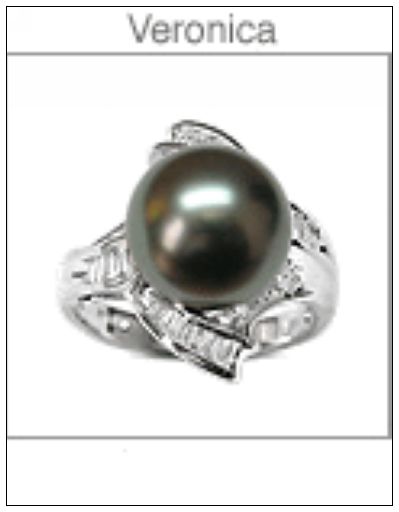
Pearl Rings
Source high-quality wholesale Pearl Rings directly from vetted manufacturers and suppliers. Designed for jewelry importers, wholesalers, distributors, and brands seeking reliable OEM and private-label production. Secure competitive pricing on bulk orders with rigorous quality control across freshwater, Akoya, South Sea, and Tahitian pearl settings.
Sourcing pearl rings at scale requires balancing two distinct manufacturing disciplines: gemstone grading and precision metalwork. The challenge isn't just finding a capable supplier; it is ensuring consistent pearl matching, secure mountings, and flawless casting across a high-volume production run. When buying in bulk, minor inconsistencies in pearl luster or setting epoxy can lead to unacceptable defect rates.
Specifying Pearl Types and Grades
To secure accurate quotes, buyers must provide highly specific technical requirements. Vague requests for "high-quality pearls" will result in inconsistent shipments. Specify the grading system used (typically the AAA-A system or the A-D Tahitian system), the exact millimeter size tolerance, and the acceptable threshold for surface blemishes.
| Pearl Type | Typical Size Range | Common Ring Alloy | Market Segment |
|---|---|---|---|
| Freshwater | 6mm - 10mm | 925 Sterling Silver / 14k Gold | Mid-Market / Fashion |
| Akoya | 6mm - 9mm | 14k / 18k Gold | Premium / Fine Jewelry |
| Tahitian | 8mm - 14mm | 18k Gold / Platinum | Luxury |
| South Sea | 9mm - 16mm | 18k Gold / Platinum | High-End Luxury |
When establishing your specifications, clearly define the acceptable nacre thickness and luster parameters. For instance, Akoya pearls should ideally have a nacre thickness of at least 0.4mm to ensure long-term durability in a ring setting, which is subject to heavy daily wear.
Ring Mountings and Manufacturing Mechanics
Unlike necklaces or earrings, rings expose pearls to significant physical stress. The mounting technique is the primary point of failure in poorly manufactured pearl rings.
Most pearl rings utilize a half-drilled pearl mounted on a metal post (or peg) set within a cup. The factory's execution of this seemingly simple mechanical joint dictates the product's lifespan. If you are customizing settings, leveraging dedicated Product Development services ensures that the CAD designs explicitly account for the exact millimeter dimensions of your sourced pearls.
The Post and Epoxy Vulnerability
The metal post must extend at least halfway into the pearl. If the factory uses posts that are too short or fails to texture (notch) the post before applying jeweler's epoxy, the pearl will inevitably detach. Ensure your specification sheet mandates notched posts and high-grade, two-part epoxy.
Need reliable factories capable of precision mounting and consistent grading? Let Merhein handle the supplier vetting and production oversight for your next order.
Talk to our teamQuality Control for Pearl Rings
Effective quality control must happen before the rings leave the factory. Once a pearl is glued into a defective casting, the piece is generally a total loss. Implementing rigorous Quality Control & Inspection protocols during the assembly phase is critical.
Pre-Shipment Inspection Focus Areas
- Post-to-Hole Tolerance: The drilled hole must precisely match the post diameter to prevent wobbling.
- Epoxy Residue: Inspect under magnification for excess glue seepage around the pearl cup.
- Metal Porosity: Check the ring shank for microscopic casting pits or structural weaknesses.
- Pearl Orientation: Ensure surface blemishes are strategically hidden near the mounting cup.
- Plating Thickness: For rhodium-plated silver or white gold, verify micron thickness via XRF testing.
MOQs, Lead Times, and Pricing Reality
Factory minimum order quantities (MOQs) and lead times vary dramatically based on the materials used. Fine jewelry factories working with 18k gold and South Sea pearls operate entirely differently than those mass-producing sterling silver freshwater pearl rings.
For brands scaling their own collections, utilizing OEM/ODM Services allows for custom shank designs, proprietary metal alloys, and branded stamping inside the band. Pricing is highly volatile and directly tied to the daily spot price of the precious metal and the seasonal yield of the pearl harvest.
Managing complex jewelry supply chains requires constant oversight. Protect your margins and quality standards with on-the-ground support in Asia.
Get a free consultationFrequently Asked Questions
Securing a reliable supply of pearl rings means scrutinizing both the gem sourcing network and the metal casting capabilities of your chosen manufacturer. A rigorous, technically informed approach to factory qualification is the only way to scale your jewelry lines without sacrificing quality.
Get Sourcing Help for Pearl Rings
Tell us your requirements and our experts will connect you with verified manufacturers.