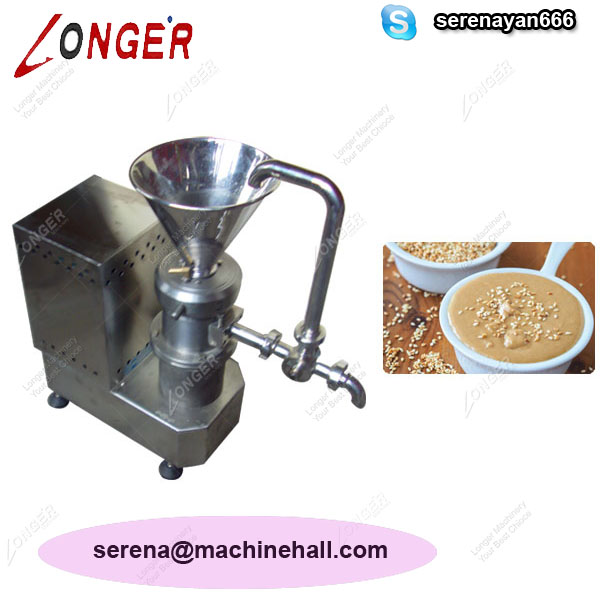
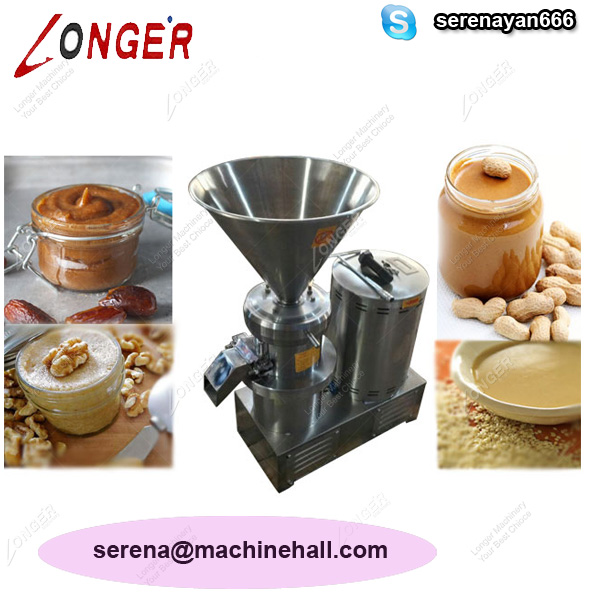
Peanut Butter Making Machines
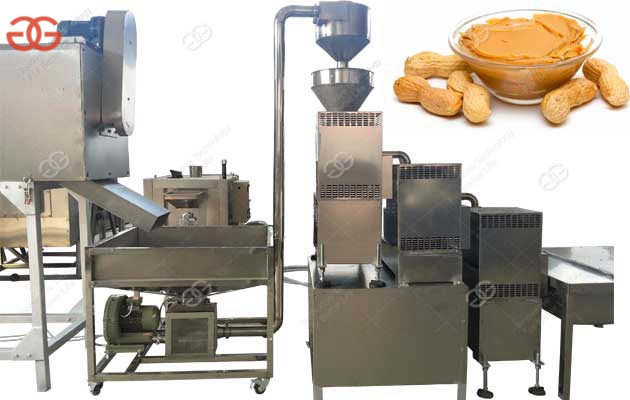
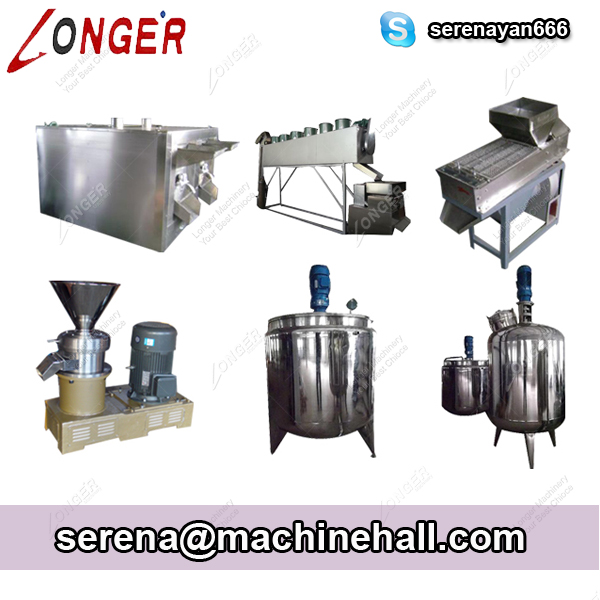
Source high-capacity commercial and industrial peanut butter making machines from vetted suppliers and manufacturers. Tailored for food processing equipment distributors, industrial importers, and food brands seeking reliable OEM production partners in Asia for bulk manufacturing lines.
Sourcing industrial peanut butter making machines requires balancing production throughput, grind fineness, and strict food-grade compliance. For commercial food processing, the core machinery relies on advanced colloid mill technology where rotor and stator precision dictates the final product's texture, shelf stability, and processing efficiency.
Colloid Mill Mechanics & Cooling Systems
When evaluating manufacturers, pay close attention to the rotor and stator assembly. The gap adjustment mechanism must be highly precise—typically allowing micro-adjustments down to 2 to 50 microns—to ensure a smooth, consistent nut butter.
Heat generation is a major operational challenge. Grinding peanuts releases significant friction heat, which can degrade the nut's natural oil quality, alter flavor profiles, and reduce shelf life.
Critical Machine Specifications to Verify
- Cooling system: Integrated water-cooling jackets around the grinding chamber are mandatory for continuous operation.
- Motor quality: Specify Tier-1 motors (e.g., ABB, Siemens) or high-grade domestic equivalents to handle high torque without burning out.
- Variable Frequency Drive (VFD): Essential for adjusting RPM based on the specific nut type or desired texture (chunky vs. smooth).
- Feed mechanism: An auger or screw feeder is necessary for high-viscosity inputs to prevent hopper bridging.
Need help verifying technical specifications and engineering capabilities with overseas machinery manufacturers?
Talk to our teamMaterial Standards and Factory Audits
Food safety compliance is non-negotiable in seasoning and paste processing. While many suppliers claim "stainless steel construction," you must verify the exact grade used for different components. Relying on spec sheets alone is risky; conducting thorough factory audits ensures the manufacturer actually uses the specified alloys and possesses the CNC machining capabilities required for precision rotors.
| Material Grade | Typical Application | Cost Impact |
|---|---|---|
| SS316L | High-acid or high-salt contact parts | Premium |
| SS304 | Standard food contact parts (hoppers, rotors) | Standard |
| SS201 | External chassis, structural frames | Budget |
If you are building a custom processing line, utilizing professional OEM/ODM services allows you to spec custom hopper capacities, specialized cooling jackets, and integrated control panels tailored to your facility's layout. Before any machinery ships, rigorous quality control and factory acceptance testing (FAT) should be performed to verify throughput claims and motor stability under load.
Pricing, MOQs, and Lead Times
Industrial food machinery pricing scales directly with motor power (kW), throughput capacity (kg/hr), and automation levels. Because these machines are heavy and bulky, efficient shipping & freight consolidation is critical to maintaining your landed cost margins.
Optimize your machinery sourcing, factory negotiations, and shipping logistics with our expert team.
Get a free consultationBuyer FAQ
Procuring peanut butter making machines is about securing precision engineering that holds up under continuous, high-heat operation. Partnering with the right factory ensures your equipment meets both your texture standards and rigorous food safety regulations. If you need dedicated support navigating supplier selection, engineering verification, and quality control, our team is ready to assist.
Get Sourcing Help for Peanut Butter Making Machines
Tell us your requirements and our experts will connect you with verified manufacturers.