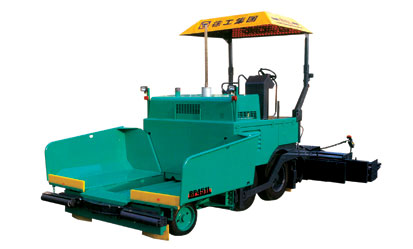
Pavers
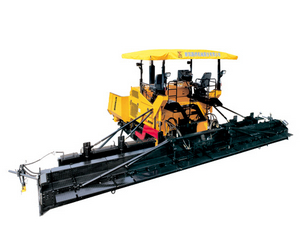
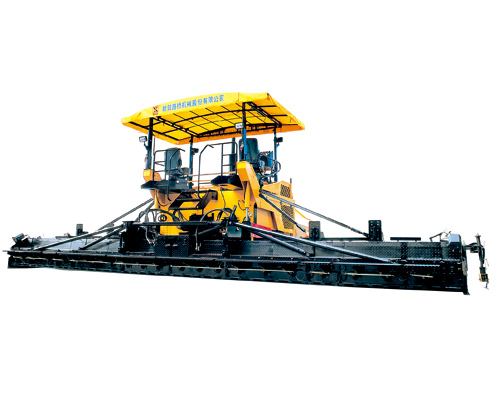
Source heavy-duty pavers from vetted suppliers and manufacturers across Asia. Designed for equipment importers, wholesale distributors, and construction procurement teams, our network provides direct access to reliable road machinery factories. Secure competitive wholesale pricing on high-performance paving equipment built to strict international standards.
Sourcing asphalt and concrete pavers directly from heavy machinery manufacturers in China offers significant margin advantages for equipment distributors and large-scale contractors. However, road construction machinery operates in high-stress environments where reliability is non-negotiable; a machine failure during a hot-mix asphalt pour ruins the mat and costs thousands in wasted material and labor. Successfully importing these machines requires rigorous specification control, component verification, and comprehensive factory oversight.
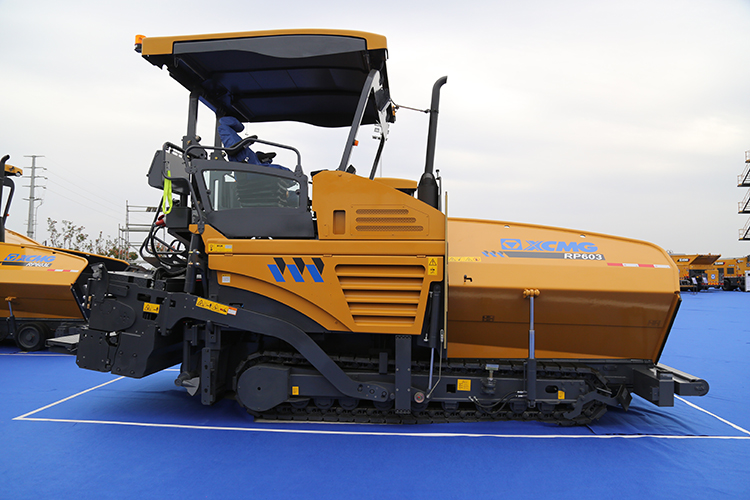
Defining Core Paver Specifications
When negotiating with manufacturers, the specifications you dictate will determine both the price and the machine's operational lifespan. Off-the-shelf configurations often use domestic Chinese components that may not meet the serviceability requirements of your local market.
Buyers must specify requirements across three critical systems:
- Engine and Emissions: The destination market dictates the engine requirement. While emerging markets may accept Tier 2 or Tier 3 equivalent engines, North American and European markets require EPA Tier 4 Final or EU Stage V compliance. Specify internationally recognized engine brands (like Cummins or Deutz) to ensure local aftermarket support.
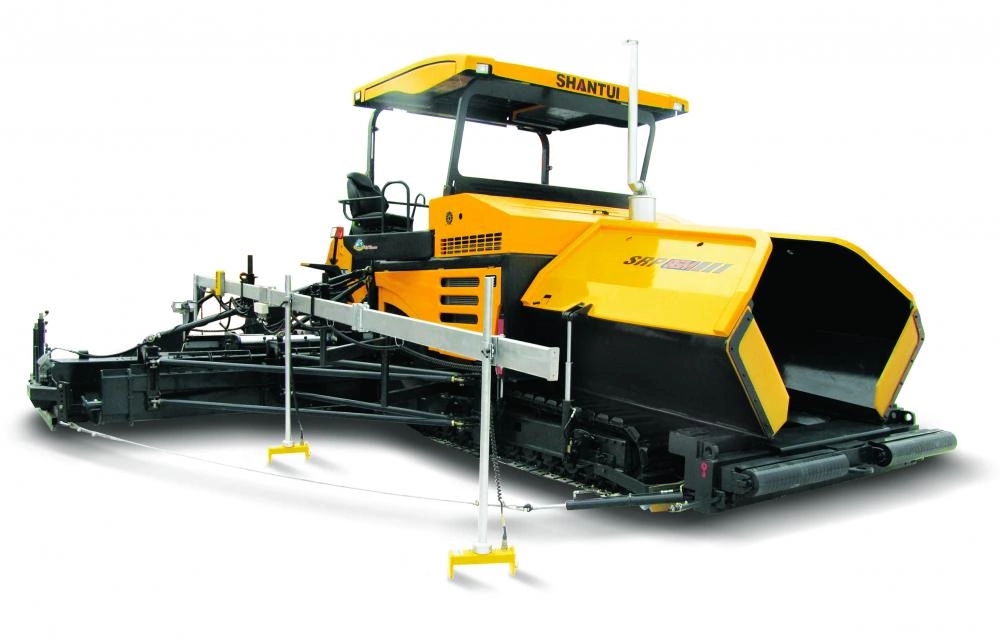
- Screed Technology: The screed is the heart of the paver. You must choose between gas heating and electric heating. Electric heating is increasingly preferred for its uniform temperature distribution, though it requires a robust onboard generator. Specify the tamper bar frequency and vibration settings required for your target compaction density.
- Hydraulic Systems: The auger, conveyor, and drive systems rely on the hydraulic pump and motor loop. Specifying imported hydraulic components (such as Rexroth, Danfoss, or Kawasaki) drastically reduces the risk of field failures compared to standard domestic alternatives.
| Feature | Tracked (Crawler) Pavers | Wheeled Pavers |
|---|---|---|
| Traction & Flotation | Superior; ideal for soft subgrades and wide paving widths. | Moderate; best for stable, existing bases. |
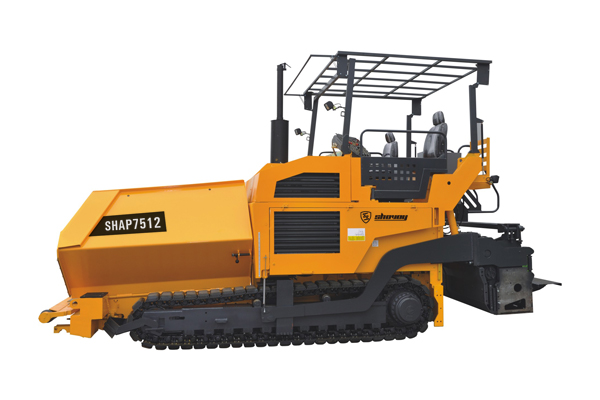
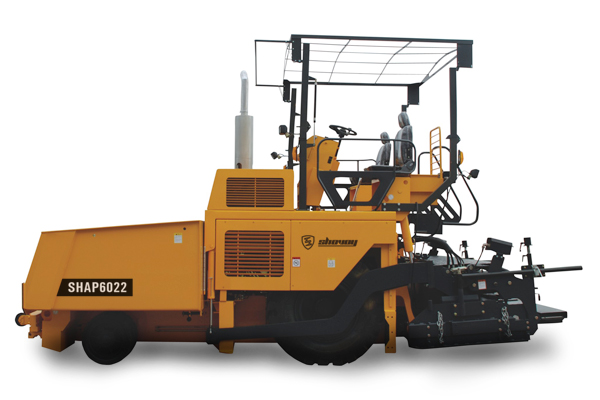
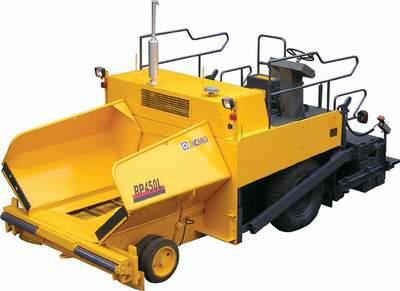
| Mobility & Transport | Slow travel speed; requires a lowboy trailer for all moves. | Higher travel speed; can drive short distances between jobsites. |
| Paving Width Capacity | Typically supports maximum extension (up to 9+ meters). | Generally limited to narrower widths (under 6 meters). |
Navigating heavy machinery specifications and emissions compliance? Let our sourcing engineers match you with the right factory.
Talk to our teamManufacturing Oversight and Quality Control
Heavy machinery hubs in China, such as Xuzhou and Changsha, house both top-tier manufacturers and smaller assembly workshops. Distinguishing between a factory with robust R&D and a workshop merely assembling off-the-shelf parts requires comprehensive Factory Audits.
Quality in road machinery is won or lost in the assembly and calibration phases. A misaligned auger or a poorly calibrated leveling sensor will result in a wavy, out-of-spec road surface. Before any machine leaves the factory, rigorous Quality Control & Inspection is mandatory. Factory Acceptance Testing (FAT) should be conducted on-site.
Pre-Shipment Inspection Checklist for Pavers
- Verify engine serial numbers and emissions certification plates match the order.
- Test hydraulic system pressure at full load to ensure no bypass or leakage.
- Operate screed heating elements; use thermal imaging to confirm uniform temperature distribution.
- Calibrate and test automatic leveling systems (e.g., MOBA sensors) for grade and slope accuracy.
- Inspect all weldments on the hopper, auger tunnel, and screed frame for porosity or undercut.
Pricing, Lead Times, and Logistics Reality
Unlike consumer goods, heavy road machinery operates on different procurement mechanics.
MOQ and Customization: The Minimum Order Quantity (MOQ) for pavers is almost always 1 unit. However, purchasing in lots of 2 to 4 units significantly improves your negotiating leverage for custom configurations (such as specific paint codes, branded decals, or upgraded control panels).
Lead Times: Standard domestic configurations might be available in 20 to 30 days. However, if you are specifying imported engines or custom hydraulic loops, lead times will extend to 45 to 90 days as the factory must source these components from their own supply chain.
Shipping and Logistics: Pavers are oversized cargo. Smaller wheeled units can sometimes be driven into high-cube containers or shipped via flat rack containers. Large tracked pavers with wide screeds usually require Roll-on/Roll-off (RoRo) or breakbulk shipping. Coordinating this requires specialized Shipping & Freight expertise to manage port handling, lashings, and customs clearance without incurring massive demurrage fees.
Need reliable logistics and pre-shipment inspections for heavy machinery? We manage the process from the factory floor to your destination port.
Get a free consultationFrequently Asked Questions
Sourcing heavy road machinery from overseas is a high-stakes procurement exercise. Success relies on looking past the initial unit price to focus on component specification, aftermarket supportability, and uncompromising quality control at the factory level. By controlling these variables, importers can build a highly profitable heavy equipment supply chain.
Get Sourcing Help for Pavers
Tell us your requirements and our experts will connect you with verified manufacturers.