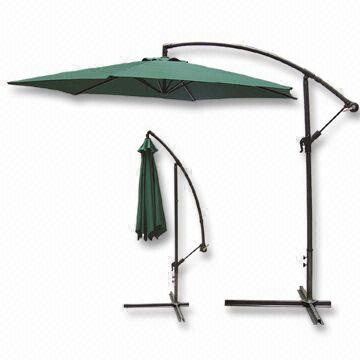
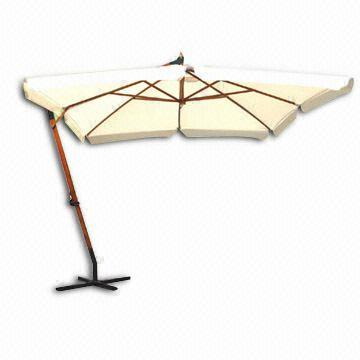
Patio Umbrellas & Bases
Source premium Patio Umbrellas & Bases from vetted suppliers and manufacturers across Asia. Designed for importers, wholesalers, and outdoor furniture brands seeking reliable OEM/ODM production, our factory-direct network ensures high-volume manufacturing with stringent quality control and competitive pricing.
Sourcing patio umbrellas and bases at scale requires balancing aesthetic appeal with rigorous environmental durability. The primary challenge for volume buyers lies in aligning the right fabric specifications, frame engineering, and base stability to prevent premature fading, mechanical failure, or wind damage, all while maintaining target margins.
Critical Material Specifications
The longevity of outdoor shade products depends entirely on the raw materials specified before production begins. Relying on a factory's "standard" off-the-shelf configuration often leads to high return rates due to UV degradation or frame snapping under wind loads.
Canopy Fabrics
Fabric selection drives both the visual lifespan and the cost of the umbrella. Importers must specify the exact material and the required UV colorfastness rating (typically measured in hours of exposure before fading).
| Fabric Material | Colorfastness | Cost Profile | Ideal Application |
|---|---|---|---|
| Standard Polyester | 100 to 300 hours | Low | Entry-level promotional retail |
| Spun Polyester | 300 to 500 hours | Low-Medium | Mid-tier seasonal retail |
| Olefin | 800 to 1000 hours | Medium | Commercial and high-end retail |
| Solution-Dyed Acrylic | Over 1500 hours | High | Premium hospitality and luxury brands |
Frame and Hardware Engineering
Aluminum is the industry standard for commercial and mid-to-high-end residential umbrellas, but wall thickness is highly variable. A standard retail umbrella might use 0.8mm to 1.0mm aluminum tubing, whereas commercial cantilever umbrellas require a minimum of 1.5mm to 2.5mm thickness for the main mast.
For the hardware, ribs should utilize fiberglass for high-wind environments (due to its flex) or reinforced aluminum. Steel frames are viable for budget categories but must be treated with an anti-corrosion zinc primer beneath the powder coating to delay rust.
Need to match a specific fabric grade or frame engineering standard? Talk to our sourcing team about finding the right manufacturing partner.
Discuss Your SpecsManufacturing Tolerances and Quality Control
The most common points of failure in patio umbrellas are mechanical: the crank mechanism, the tilt joint, and the canopy stitching. When executing OEM/ODM Services for custom designs, establishing strict tolerances during the prototyping phase is essential.
Inside the factory, the die-cast zinc or aluminum gears inside the crank housing must be lubricated and free of burrs. Plastic gears should be universally avoided in anything above the lowest budget tier.
Critical Pre-Shipment Inspection Points
- Crank and tilt cycle testing (minimum 500 continuous cycles without binding)
- Powder coating adhesion cross-hatch test and thickness verification (target 60 to 80 microns)
- Canopy seam tension, stitch density (target 8-10 stitches per inch), and waterproof coating integrity
- Base hardware thread alignment and salt-spray corrosion resistance
- Drop testing for resin and concrete-filled bases
Implementing rigorous Quality Control & Inspection protocols before the goods are containerized is the only reliable way to prevent mechanical defect rates from eating into your margins.
Base Weight and Stability Ratios
A high-quality umbrella is useless without a properly specified base. Base weight must scale with the canopy diameter and the presence of a cantilever arm.
- Standard Market Umbrellas (7ft to 9ft): Require 40 lbs to 50 lbs (18kg to 23kg) bases for through-table use, and up to 75 lbs (34kg) for freestanding use.
- Cantilever/Offset Umbrellas (10ft to 13ft): Require heavily weighted bases, often cross-bases designed to hold 200 lbs to 300 lbs (90kg to 135kg) of sand or water, or solid granite/steel plate bases.
Bases are typically manufactured in separate facilities from the umbrellas. Resin and plastic bases (fillable) are blow-molded or injection-molded, while cast iron and steel bases require heavy foundry work. Managing the consolidation of these heavy, dense items with the lighter, high-volume umbrellas is a key logistical challenge.
Struggling with supplier consolidation or quality consistency? Let our team manage your outdoor furniture supply chain.
Get Sourcing SupportTypical MOQs, Pricing, and Lead Times
Because patio umbrellas are highly seasonal, factory capacity tightens significantly between September and January as global buyers place orders for the spring/summer season.
When sourcing products in this category, be aware that tooling costs for custom base designs (e.g., a proprietary blow-molded resin base) can range from $2,000 to $5,000 depending on the mold complexity and size.
Successfully importing patio umbrellas and bases requires looking past the showroom sample to scrutinize the hidden mechanics and raw material grades. By defining strict engineering tolerances and enforcing them on the factory floor, buyers can secure reliable, high-margin products that withstand the elements.
Get Sourcing Help for Patio Umbrellas & Bases
Tell us your requirements and our experts will connect you with verified manufacturers.