Patient Monitors & ECG Machines
Source professional Patient Monitors & ECG Machines in bulk from vetted manufacturers and suppliers. Designed for medical equipment importers, hospital procurement managers, wholesalers, and brands seeking reliable OEM or private-label production with strict regulatory compliance.
Sourcing clinical-grade patient monitors and ECG machines requires navigating a minefield of regulatory compliance, software stability, and sensor accuracy. In the professional medical device sector, a minor deviation in NIBP (Non-Invasive Blood Pressure) calibration or a delayed waveform refresh rate is not just a defect; it is a critical liability. Procuring these devices in volume means verifying that your chosen manufacturer maintains rigorous quality management systems and has the engineering capability to support localized software and hardware requirements.
Critical Technical Specifications for Bulk Buyers
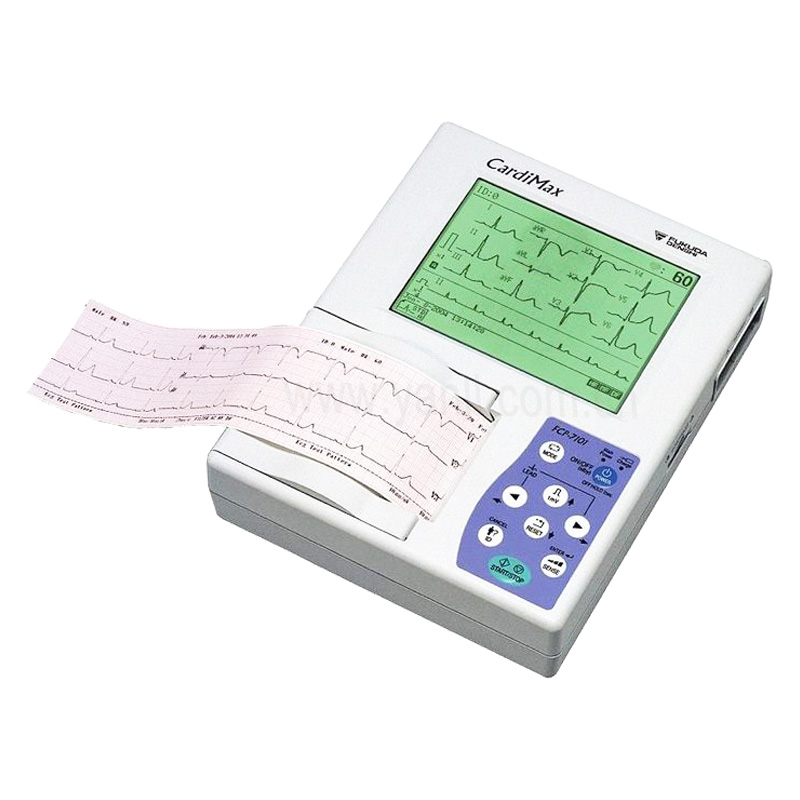
When evaluating a manufacturer's catalog, the baseline hardware architecture dictates the device's reliability in a clinical setting. Standard multi-parameter monitors typically cover ECG, SpO2, NIBP, RESP, and TEMP. High-acuity environments demand modular systems capable of IBP (Invasive Blood Pressure), EtCO2 (End-tidal CO2), and advanced cardiac output measurements.
The internal components matter heavily. Ask suppliers about the origin of their parameter modules. Many tier-two factories assemble monitors using third-party OEM modules (such as SunTech for NIBP or Masimo/Nellcor for SpO2). While this is standard practice, the integration between these modules and the mainboard CPU determines system latency and alarm accuracy.
| Specification | Standard Ward Monitor | ICU / High-Acuity Monitor |
|---|---|---|
| Display Size | 8 to 12 inches | 15 to 19 inches (Touchscreen) |
| Parameter Design | Integrated / Fixed | Plug-and-play Modular |
| ECG Capability | 3 or 5-lead | 12-lead with advanced ST analysis |
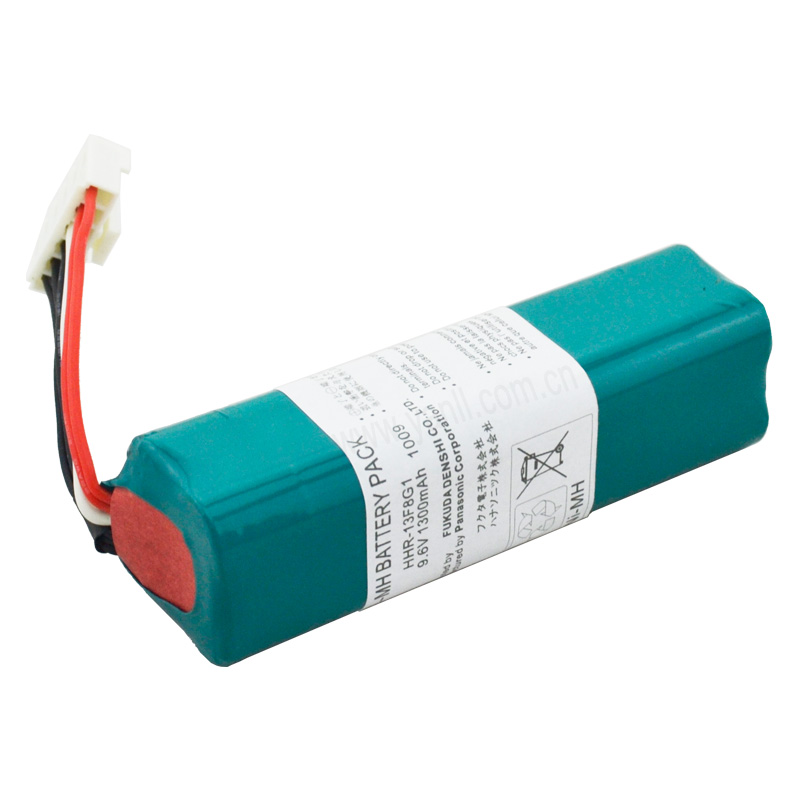
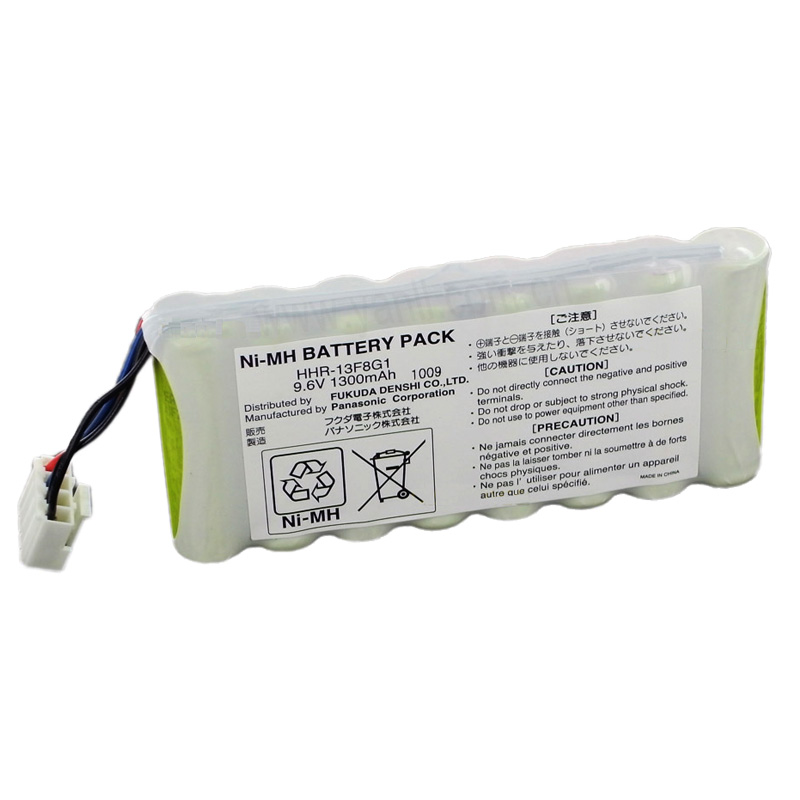
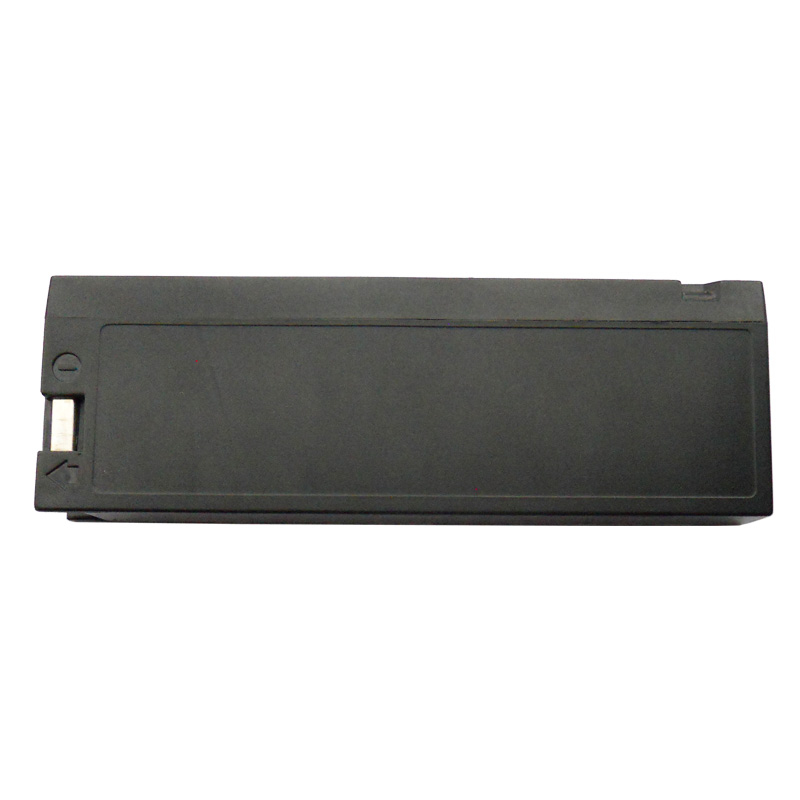
| Battery Life | 2 to 4 hours | 4 to 8+ hours (Hot-swappable) |
Manufacturing Quality Control and Factory Verification
Medical electronics manufacturing demands strict adherence to ISO 13485 standards. On the factory floor, the difference between a reliable supplier and a risky one lies in their testing protocols. Surface-Mount Technology (SMT) lines for PCB assembly must be housed in cleanroom environments to prevent contamination that could cause micro-shorts in sensitive analog-to-digital converters processing ECG signals.
Evaluating medical device manufacturers requires deep technical and regulatory expertise. Let us verify factory capabilities and manage your sourcing process.
Talk to our teamBefore committing to a production run, thorough Factory Audits are essential to verify the supplier's testing infrastructure.
Critical Factory Floor Checkpoints
- Burn-in Testing: Ensure devices undergo a minimum 48 to 72-hour continuous burn-in test at elevated temperatures (often 40°C) to catch early electronic failures.
- Patient Simulator Calibration: Verify the use of calibrated Fluke (or equivalent) patient simulators for testing ECG, SpO2, and NIBP accuracy on the assembly line.
- Electrical Safety Testing: Confirm automated testing for leakage current and dielectric strength per IEC 60601-1 standards.
- Software Version Control: Check how the factory manages firmware updates and prevents unauthorized code changes during mass production.
Regulatory compliance cannot be an afterthought. If you are importing to Europe, the manufacturer must hold a valid CE mark under the Medical Device Regulation (MDR). For the US market, FDA 510(k) clearance is mandatory. Navigating these requirements and verifying the authenticity of a factory's documentation is critical; utilizing expert Compliance & Testing services ensures your shipment won't be seized at customs or rejected by hospital procurement boards.
Pricing, MOQs, and OEM Customization
The cost of patient monitors and ECG machines varies drastically based on module origin, screen size, and software capabilities.
- White-Label / Off-the-Shelf: MOQs typically range from 10 to 50 units. This is the fastest route to market, allowing buyers to add their logo to existing hardware and software interfaces.
- OEM / Custom Configurations: If you require specific module integrations (e.g., upgrading to a premium SpO2 technology) or custom housing colors, MOQs generally start at 100 to 200 units.
- Software Localization: Translating the UI or integrating specific HL7 protocols for local Electronic Medical Record (EMR) systems often requires an MOQ of 200+ units or an upfront NRE (Non-Recurring Engineering) fee.
When engaging in OEM/ODM Services, define your exact Bill of Materials (BOM) early. A factory might quote an aggressively low price by substituting a high-end lithium-ion battery with a lower-capacity alternative, or by using a lower-resolution display panel, which directly impacts bedside visibility.
Need to customize medical device software or negotiate MOQs for your specific market? We can align your technical requirements with the right manufacturer.
Get a free consultationFrequently Asked Questions
Successfully importing clinical apparatus requires looking past the glossy catalog specifications to understand the underlying component supply chain and factory testing protocols. By treating the sourcing process as an engineering partnership rather than a simple transaction, you secure equipment that meets the exacting standards of medical professionals.
Get Sourcing Help for Patient Monitors & ECG Machines
Tell us your requirements and our experts will connect you with verified manufacturers.