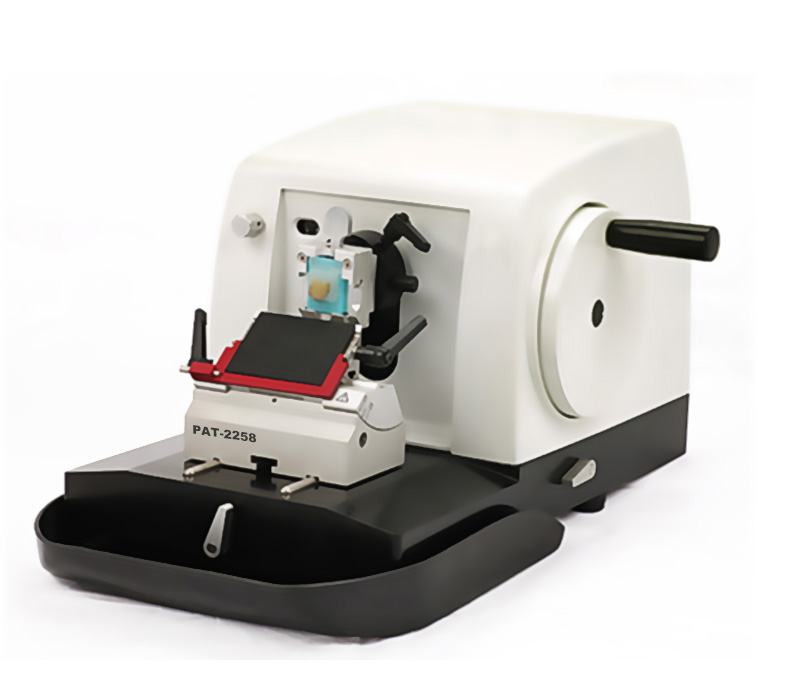
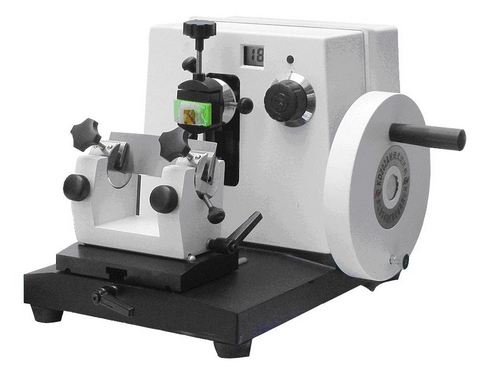
Pathological Analysis Equipment
Source professional Pathological Analysis Equipment from vetted manufacturers and suppliers in China and across Asia. Designed for medical distributors, healthcare procurement managers, and brands seeking reliable OEM/ODM production, our verified network provides high-accuracy diagnostic apparatus at competitive wholesale volumes.
Pathological analysis equipment forms the backbone of modern histology, cytology, and anatomical pathology laboratories. Sourcing these devices in bulk—whether you are procuring rotary microtomes, automated tissue processors, or embedding centers—requires balancing mechanical precision with strict medical regulatory compliance. The primary challenge for importers is verifying that a factory's machining tolerances, thermal control systems, and software reliability will hold up under high-throughput clinical conditions.
Core Specifications and Manufacturing Tolerances
When negotiating with manufacturers, the specifications you dictate directly impact the clinical viability of the equipment. Pathology devices rely heavily on precise electromechanical integration. For instance, microtomes require exceptional blade stability and micro-stepping motors to achieve sectioning thicknesses under 1 micron without chatter or vibration.
Tissue processors and slide stainers demand robust fluidics and chemical-resistant materials (like 304 or 316L stainless steel and specialized Teflon coatings) to withstand continuous exposure to xylene, formalin, and various alcohols.
| Equipment Type | Standard OEM Specifications | Advanced Clinical Specifications |
|---|---|---|
| Rotary Microtomes | 1 to 60 microns, manual handwheel | 0.5 to 100 microns, motorized, specimen retraction |
| Tissue Processors | Single retort, standard agitation | Dual retort, vacuum/pressure cycles, ultrasonic tracking |
| Embedding Centers | Basic thermal control, manual dispensing | Programmable zones, heated forceps receptacles, LCD touch |
Need help verifying factory capabilities for high-precision medical devices? We can manage the technical vetting process.
Talk to our teamQuality Control and Regulatory Compliance
Medical device manufacturing is intolerant of baseline defects. A supplier claiming to produce pathological equipment must operate under a stringent Quality Management System (QMS). Before committing to a production run, it is critical to verify the factory's infrastructure through rigorous factory audits.
You must ensure the manufacturer holds a valid ISO 13485 certification, not just a generic ISO 9001. Furthermore, if you are importing into heavily regulated markets, the equipment will require CE marking (MDR compliance in Europe) or FDA 510(k) clearance.
Critical Factory Verification Points
- Verify active ISO 13485 certification specific to the manufacturing facility.
- Inspect CNC machining tolerances for microtome guide rails and stepper motor mounts.
- Validate thermal calibration protocols for embedding centers and water baths.
- Review software validation documentation for automated processors.
- Ensure electrical safety testing (IEC 60601-1) is conducted on 100% of finished units.
To mitigate the risk of defective units reaching your clients, implementing strict quality control and inspection protocols before shipment is mandatory. This includes functional testing of heating elements, vacuum seals, and automated mechanical arms.
Wholesale Pricing, MOQs, and Lead Times
Because pathological analysis equipment falls into the category of high-value capital medical equipment, Minimum Order Quantities (MOQs) are generally lower than standard consumer goods. However, custom branding or software localization will increase these thresholds.
Pricing is heavily influenced by the level of automation and the origin of critical components. Factories utilizing imported Japanese stepper motors or German guide rails for their microtomes will quote higher prices, but the resulting equipment will offer superior longevity and sectioning quality. If you are developing a proprietary device, utilizing structured OEM/ODM services ensures your intellectual property is protected while navigating the complexities of medical device manufacturing.
Looking to optimize your medical device supply chain or negotiate better terms with Asian manufacturers? Let's discuss your procurement strategy.
Get a free consultationSourcing pathological analysis equipment requires a deep understanding of both mechanical engineering and medical regulatory frameworks. Success depends on partnering with factories that treat precision and compliance as fundamental requirements rather than optional upgrades.
Get Sourcing Help for Pathological Analysis Equipment
Tell us your requirements and our experts will connect you with verified manufacturers.