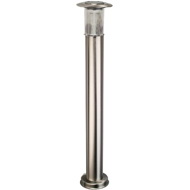
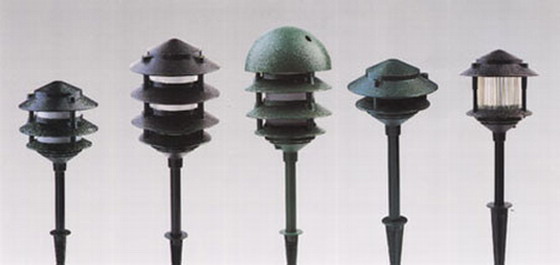
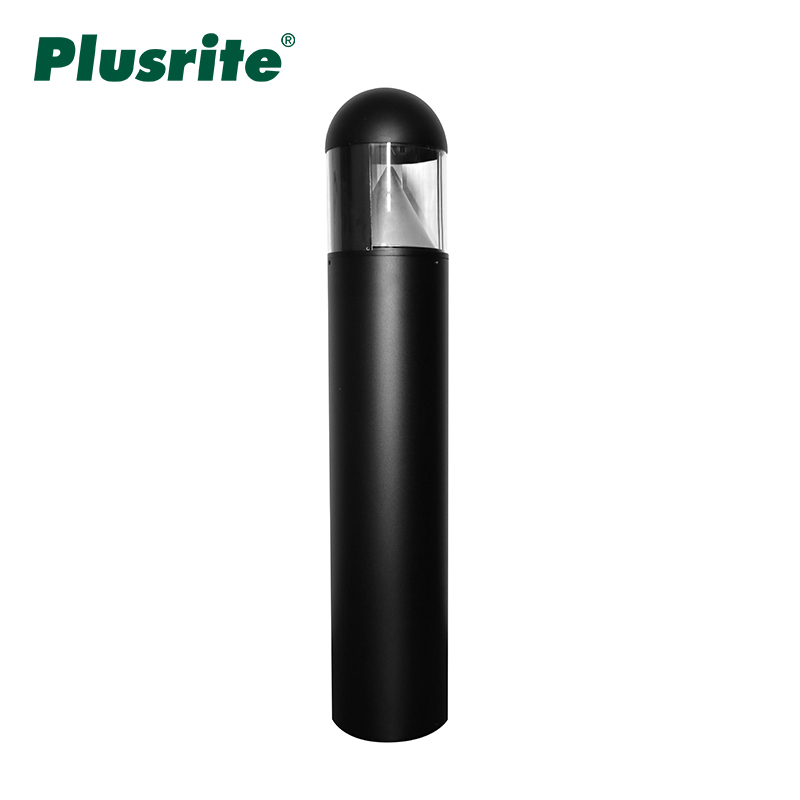
Path Lights
Source high-quality path lights directly from vetted manufacturers and wholesale suppliers. Designed for importers, distributors, and brands seeking reliable OEM and private-label production, our network delivers durable, weather-resistant outdoor lighting solutions engineered for bulk procurement and long-term performance.
Outdoor path lights must survive daily environmental assault while maintaining consistent photometric performance. When sourcing these fixtures in volume, the primary challenge is balancing unit cost with the structural and electrical integrity required to prevent water ingress, UV degradation, and premature driver failure.
Critical Specifications for Commercial Path Lights
A path light's longevity is dictated by its housing material, thermal management, and sealing methods. When evaluating suppliers, you must look beyond the aesthetic shell and specify the internal components and finishing processes.
Housing Materials and Finishes
The choice of material heavily influences both the unit price and the product's lifespan in harsh environments (such as coastal areas with high salinity).
| Housing Material | Corrosion Resistance | Typical Application & Cost |
|---|---|---|
| Die-Cast Aluminum | Moderate to High (finish dependent) | Standard commercial / Low to Medium cost |
| Solid Brass | Very High (develops natural patina) | Premium residential & hospitality / High cost |
| 316 Stainless Steel | Excellent (marine grade) | Coastal and industrial / Premium cost |
| Polycarbonate/Composite | High (immune to rust) | Budget to mid-tier / Low cost |
For aluminum fixtures, the pre-treatment and powder coating process is critical. A standard single-layer coat will blister and flake within a year if exposed to UV and moisture. Specify chromate conversion coating or marine-grade powder coating (such as AkzoNobel) if the lights are destined for demanding climates.
Electrical and Optical Components
- LED Chips & Color Consistency: Specify the exact LED package (e.g., SMD or COB) and the acceptable MacAdam ellipse step (usually 3-step or 5-step) to ensure color temperature (CCT) remains uniform across hundreds of installed fixtures.
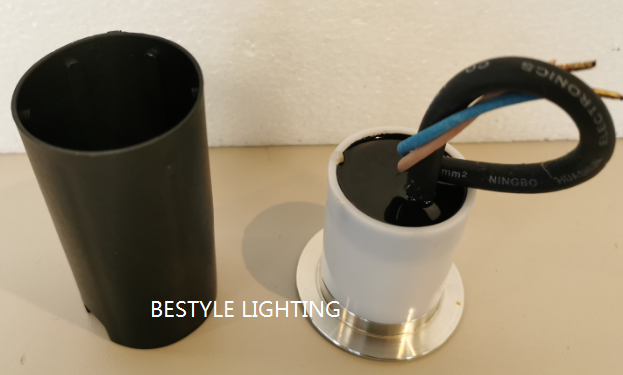
- Drivers and Potting: The driver is the most common point of failure. For low-voltage path lights (12V/24V), ensure the internal circuitry is fully encapsulated in epoxy potting compound to protect against condensation and thermal shock.
- Ingress Protection: Path lights should carry an absolute minimum of IP65, though IP67 is recommended for the optical chamber and driver housing if the area is prone to flooding or heavy irrigation.
IP Rating Inflation
Many lower-tier suppliers self-certify IP ratings. Always request third-party lab reports to verify IP65 or IP67 claims, or ensure your sourcing partner conducts proper water-ingress testing during production.
Manufacturing Quality & Defect Prevention
Consistent quality requires strict oversight on the factory floor. The die-casting process must be free of porosity, which can create microscopic pathways for moisture. Similarly, silicone gaskets must be properly seated during assembly; a pinched gasket compromises the entire fixture.
Critical QC Checks for Path Lights
- Water submersion and spray testing (IP verification) on a statistical sample.
- Cross-cut adhesion testing for powder coat durability.
- Integrating sphere testing to verify lumen output, CRI, and CCT.
- High-pot (dielectric withstand) testing for electrical safety.
- Thermal imaging after 24-hour burn-in to identify hot spots.
Relying solely on factory promises is a risk. Implementing rigorous Quality Control & Inspection protocols before the goods leave the factory ensures that defective gaskets, poor finishes, or incorrect drivers are caught before they become your liability.
Need help navigating supplier capabilities and quality standards? Discuss your path light sourcing requirements with our technical team.
Talk to our teamCustomization and Private Labeling
If you are developing a proprietary lighting line, modifying existing molds or creating custom tooling is standard practice. Minor modifications, such as custom CCTs, specific beam angles, or branded packaging, can usually be achieved with low minimums.
For entirely new designs, you will need to invest in custom die-cast tooling. Engaging a partner for OEM/ODM Services can help you navigate the tooling design, heat-sink optimization, and prototyping phases, ensuring the final product is both manufacturable and compliant with destination market standards (like UL or ETL).
MOQs, Lead Times, and Pricing Dynamics
Pricing in the path light category is highly elastic, driven primarily by the weight/quality of the metal housing and the brand of the LED components.
When negotiating, understand that pushing for rock-bottom prices usually forces the factory to thin out the aluminum walls, use cheaper generic drivers, or skip the anti-corrosion pre-treatment. To ensure you are partnering with a capable manufacturer rather than a trading company cutting corners, comprehensive Factory Audits are highly recommended before placing initial bulk orders.
Optimize your supply chain and secure competitive pricing without sacrificing fixture durability.
Get a free consultationFrequently Asked Questions
Sourcing commercial-grade path lights requires strict attention to material science and electrical reliability. By defining precise specifications and enforcing rigorous quality control at the factory level, you can secure high-performance fixtures that protect your brand's reputation and bottom line.
Get Sourcing Help for Path Lights
Tell us your requirements and our experts will connect you with verified manufacturers.