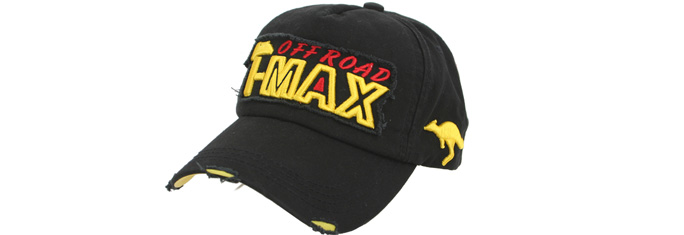
Patches
Source custom and wholesale patches from vetted Chinese manufacturers and suppliers. Designed for apparel importers, distributors, and brands requiring reliable OEM and private-label production, this catalog connects you with factories capable of high-volume manufacturing across woven, embroidered, and PVC patch categories.
Sourcing patches at scale requires more than just matching a digital proof to a physical sample; it demands strict control over digitizing quality, thread tension, and backing consistency. Whether you are procuring components for tactical gear, corporate uniforms, or fashion apparel, the core challenge lies in maintaining design fidelity and structural integrity across tens of thousands of units.
Specifying Patches for Bulk Production
When engaging factories for custom production or OEM/ODM Services, specifying the exact construction method and material composition is critical. The manufacturing process dictates not only the visual resolution of your logo but also the patch's lifespan under commercial washing or extreme environmental conditions.
| Patch Type | Ideal Application | Detail Resolution | Setup Requirement |
|---|---|---|---|
| Embroidered | Classic apparel, heavy uniforms | Medium (struggles with fine text) | Digitizing file (DST/EMB) |
| Woven | Fine text, complex intricate logos | High (uses finer threads) | Jacquard loom setup |
| PVC / Silicone | Outdoor gear, tactical, outerwear | Very High (3D molded) | Metal CNC mold creation |
| Printed / Sublimated | Photographic designs, gradients | Maximum | Digital print setup |
Beyond the face material, the backing dictates the application method. Buyers must explicitly specify the backing type: heat-seal (iron-on) requires specific melting point adhesives to match the target garment's fabric; hook-and-loop (Velcro-style) requires strict attention to the stitching attaching the hook side to the patch; and pressure-sensitive adhesive (peel-and-stick) requires high-grade 3M or equivalent backing for temporary applications.
Need help finding a manufacturer with the right specialized machinery for your technical requirements? We vet suppliers to match your exact specifications.
Talk to our teamQuality Control on the Factory Floor
Quality is won or lost in the setup phase. For embroidered patches, poor digitizing leads to excessive jump stitches, puckering, or thread breaks. For woven patches, improper edge finishing leads to rapid fraying.
Implementing robust Quality Control & Inspection protocols is essential before the goods leave the facility.
Critical QC Checks for Patch Production
- Thread Tension & Puckering: Inspect the face for loose loops or fabric distortion caused by overly tight stitches.
- Edge Finishing: Ensure merrowed borders are dense and fully enclose the raw edge, or that laser-cut edges show no singeing.
- Backing Adhesion: Test heat-seal glue thickness and perform peel-strength tests on sample garments.
- Color Fastness: Verify that threads and fabrics do not bleed during standard commercial wash cycles.
- Dimensional Tolerance: Ensure bulk production matches the approved sample dimensions within a strict +/- 1mm tolerance.
MOQs, Lead Times, and Cost Drivers
Pricing in patch manufacturing is driven primarily by the size of the patch, the percentage of embroidery coverage (e.g., 50% vs. 100% coverage), the complexity of the backing, and the order volume.
While unit costs for patches are generally low, the risk of a bad batch ruining a high-value final garment is high. Buyers must ensure they are working with actual manufacturers rather than trading companies that outsource to unverified workshops. Conducting Factory Audits helps verify that the supplier possesses the necessary multi-head embroidery machines (such as Tajima or Barudan) or injection molding equipment in-house.
Looking to consolidate your garment accessories supply chain? We manage supplier vetting, production oversight, and global logistics.
Get a free consultationSourcing patches efficiently requires treating them as engineered components rather than simple accessories. By tightly defining your specifications—from thread type to adhesive melting points—and verifying factory capabilities upfront, you eliminate the risk of accessory failure compromising your primary product lines.
Get Sourcing Help for Patches
Tell us your requirements and our experts will connect you with verified manufacturers.