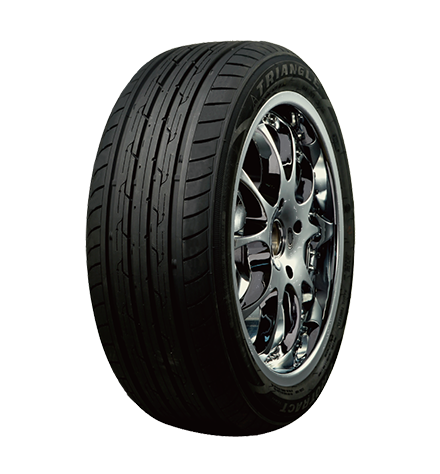
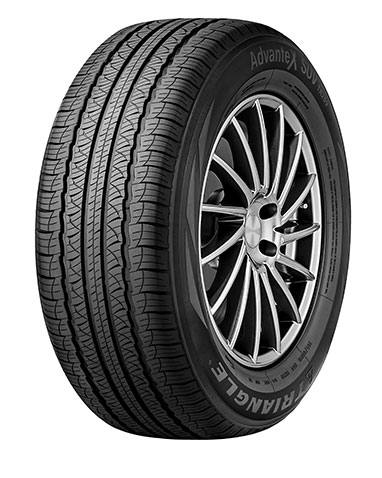
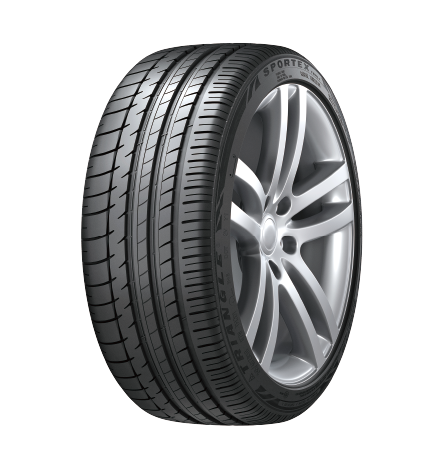
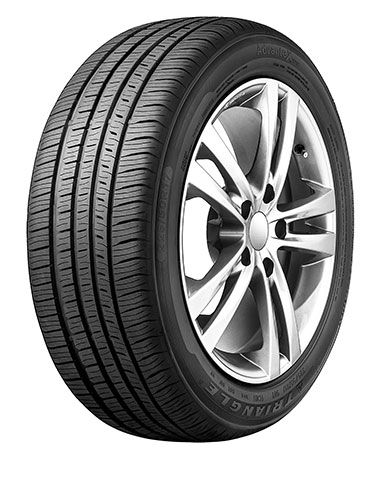
Passenger Car Tires
Source premium Passenger Car Tires from vetted suppliers and manufacturers across Asia. Designed for importers, national distributors, and automotive brands seeking reliable OEM and private-label production, this catalog connects you with high-volume factories capable of meeting strict international safety and performance standards.
Sourcing passenger car tires at scale requires navigating complex homologation standards, fluctuating raw material costs (natural rubber, synthetic polymers, carbon black), and stringent quality control. For distributors and brands, securing a reliable factory means looking past surface-level pricing to evaluate curing technology, compound consistency, and international compliance capabilities.
Specifying Passenger Car Tires for Production
When engaging a manufacturer for wholesale or private-label production, your technical specifications must be exact. Factories will formulate tread compounds and structure casing plies based on your target market's climate and performance expectations.
Key specifications to define include:
- Dimensions & Ratios: Section width (mm), aspect ratio (%), and rim diameter (inches).
- Load & Speed Ratings: Must align with the vehicle class you are targeting (e.g., 91V, 94W).
- UTQG Ratings: Treadwear, Traction (AA, A, B, C), and Temperature (A, B, C) grades for the US market.
- Casing Construction: Number of polyester body plies, steel belts, and nylon cap plies.
| Tire Category | Compound Focus | Tread Design | Target Market |
|---|---|---|---|
| Summer / UHP | Softer, high-grip synthetics | Large tread blocks, fewer sipes | Performance vehicles, warm climates |
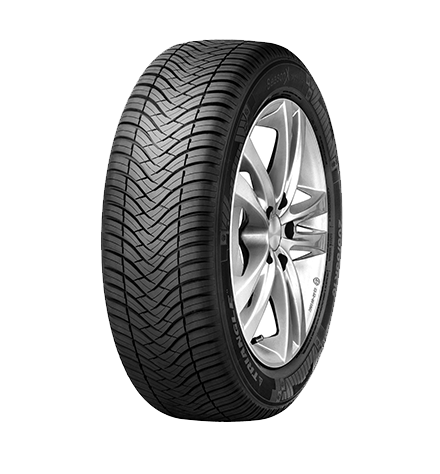
| All-Season | Balanced silica/carbon mix | Moderate siping, asymmetrical | General passenger, varied climates |
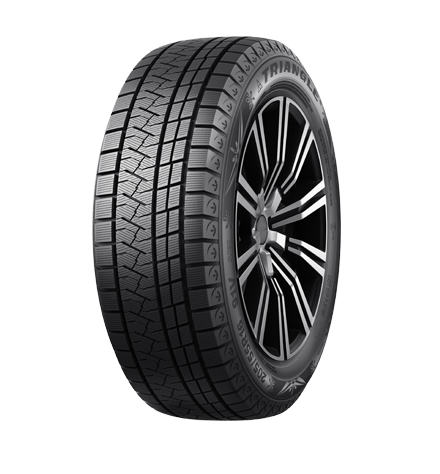
| Winter | High silica, remains flexible at low temps | Heavy siping, directional patterns | Cold climates, snow/ice conditions |
Need help finding a factory with the right compounding and mold-making capabilities? Speak with our sourcing engineers.
Discuss your tire sourcing strategyManufacturing Tolerances and Quality Control
Tire manufacturing is highly automated but vulnerable to defects during the tire building and vulcanization (curing) stages. A factory's quality management system is the difference between a profitable import program and a costly recall.
Implementing robust Quality Control & Inspection is non-negotiable. Pre-shipment checks should verify that the factory has performed 100% dynamic balancing and uniformity testing on the production line.
Critical Factory-Level QC Checks
- X-ray inspection for internal steel belt alignment and casing voids.
- Force variation and dynamic unbalance testing on all finished units.
- Runout testing (radial and lateral) to ensure perfect circularity.
- Visual inspection for mold flashing, sidewall blemishes, and barcode clarity.
Certifications and Homologation
Tires are heavily regulated safety components. You cannot import or sell them without the correct regional certifications stamped on the sidewall. Engaging a factory for OEM/ODM Services to build a private brand means you must ensure their molds and compounds pass these tests.
- DOT (Department of Transportation): Mandatory for the US market. The factory must have a registered plant code.
- ECE (E-Mark): Required for Europe, covering noise, rolling resistance, and wet grip (R117).
- CCC: Mandatory for the Chinese domestic market.
- INMETRO / SASO / GCC: Specific regional homologations for Brazil, Saudi Arabia, and the Gulf states respectively.
If you are developing a new tread pattern or entering a heavily regulated market, navigating Compliance & Testing early in the sourcing process prevents customs seizures down the line.
Pricing, MOQs, and Logistics Realities
Tires are a high-volume, space-intensive commodity. Pricing is heavily tied to the global index of natural rubber and petroleum prices, meaning factory quotes are typically valid for short windows (often 30 days or less).
Because tires "cube out" a shipping container long before they "weigh out," logistics efficiency is critical to your landed cost.
Tire logistics require precise container optimization. Let our team model your landed costs.
Get a freight and sourcing analysisFrequently Asked Questions
Successfully importing passenger car tires requires balancing strict safety compliance with aggressive freight management. By partnering with vetted manufacturers who possess the right technical capabilities and regional certifications, you can build a resilient, profitable tire program.
Get Sourcing Help for Passenger Car Tires
Tell us your requirements and our experts will connect you with verified manufacturers.