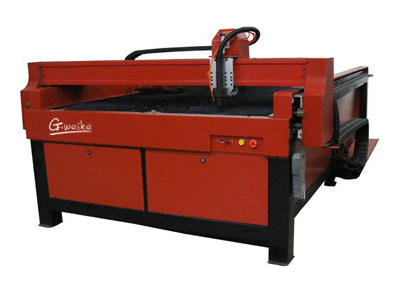
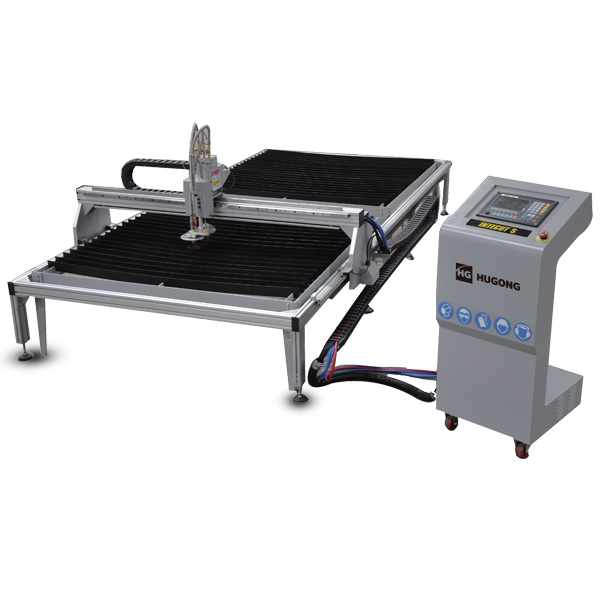
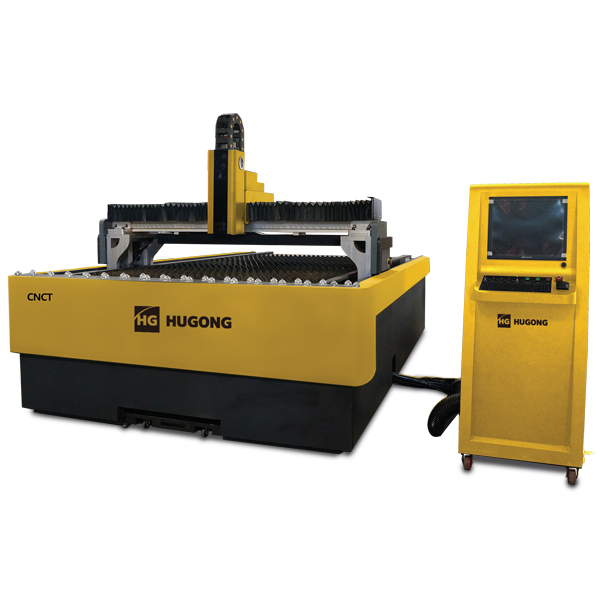
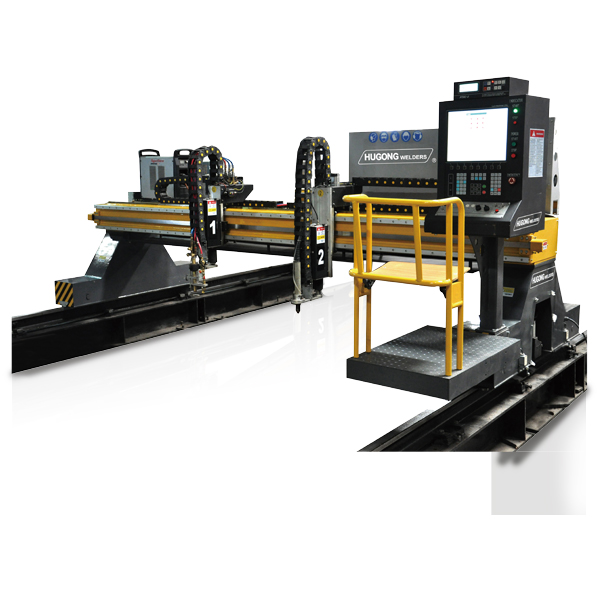
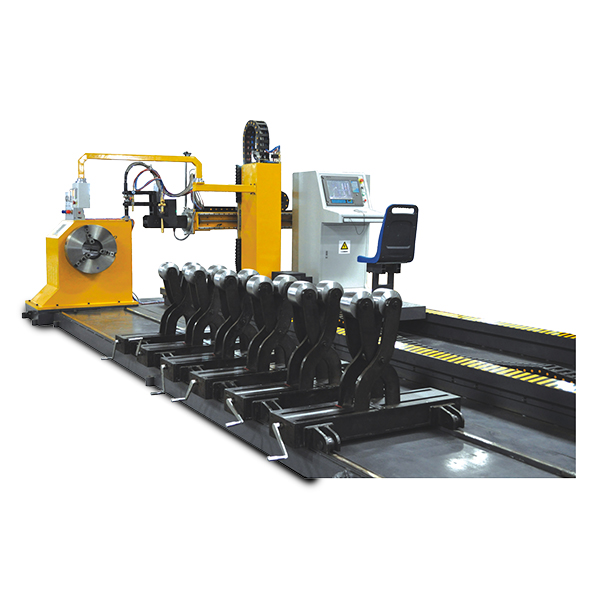
Pasma Machines and Equipments
Source industrial-grade Pasma Machines and Equipments from vetted suppliers and manufacturers. Designed for importers, wholesalers, distributors, and equipment brands seeking OEM production, our network delivers high-precision non-traditional machine tools built to exact operational and regulatory standards.
Sourcing Pasma machines and equipment requires navigating a complex landscape of power electronics, gas regulation systems, and CNC integration. For buyers importing these non-traditional machine tools in volume, success depends on matching the right power supply architecture and torch configuration to the end-user's material thickness and duty cycle requirements. Relying on superficial spec sheets often leads to underperforming equipment that fails under industrial workloads.
Core Specifications for Pasma Machines and Equipments
When negotiating with manufacturers, the baseline specifications must go beyond maximum cutting thickness. You need to define the continuous operational capacity and the quality of the internal components.
Key technical parameters to specify include:
- Duty Cycle: This is the critical metric for industrial users. A machine rated for 100 amps at a 60 percent duty cycle will perform differently than one rated at 100 percent. Always specify the ambient testing temperature (typically 40 degrees Celsius) as some factories inflate duty cycles by testing at lower temperatures.
- Power Supply Architecture: Inverter-based machines offer lighter weight and better power efficiency, whereas traditional transformer-based units provide rugged durability for heavy industrial environments.
- CNC Compatibility: If the units are to be integrated into automated cutting tables, specify the required interface (e.g., voltage dividers, arc voltage height control compatibility) and shielding against high-frequency interference.
| Specification | Light Industrial | Heavy Industrial |
|---|---|---|
| Amperage Output | 40A to 80A | 100A to 400A+ |
| Duty Cycle (at 40C) | 35 to 60 percent | 80 to 100 percent |
| Cooling System | Air cooled | Water cooled |
| Phase/Voltage | Single-phase 220V | Three-phase 380V/480V |
Need help verifying technical specifications with Chinese manufacturers? We can audit factory capabilities before you place an order.
Talk to our teamManufacturing Quality and Component Sourcing
The reliability of Pasma equipment is heavily dependent on the quality of its internal components. Many factories assemble machines using outsourced parts, meaning quality can vary between batches if the sub-tier supply chain is not tightly controlled.
High-Frequency Interference
Poorly shielded internal wiring in Pasma machines can cause severe electromagnetic interference (EMI), which disrupts nearby CNC controllers and sensitive electronics. Ensure your supplier uses proper grounding and shielded cables.
To mitigate risks, it is highly recommended to implement rigorous factory audits to verify that the supplier actually mounts their own PCBs and tests their transformers, rather than just acting as a final assembly workshop.
During production, focus your quality control efforts on the following areas:
Critical Inspection Points for Pasma Equipment
- Verify the IGBT module brand and rating against the agreed BOM.
- Test the gas solenoid valves for consistent flow rates and leakages.
- Perform a continuous load test to validate the stated duty cycle.
- Inspect the torch assembly for concentricity and consumable fit.
- Check all high-voltage insulation and grounding points for safety compliance.
Lead Times, MOQs, and Pricing Drivers
Pricing for Pasma machines scales aggressively with amperage, duty cycle, and the origin of critical components (e.g., imported IGBTs versus domestic equivalents). Minimum Order Quantities (MOQs) are generally flexible for heavy industrial units but stricter for entry-level models.
Because these machines contain heavy transformers and sensitive electronics, logistics require careful planning. Specialized packaging, such as ISPM-15 compliant wooden crates with internal shock absorption, is mandatory. Coordinating shipping and freight with a partner experienced in heavy machinery ensures the equipment arrives without transit damage or customs delays.
Looking to optimize your landed costs for heavy machinery? Let us analyze your supply chain and freight strategy.
Get a free consultationFrequently Asked Questions
Sourcing reliable Pasma Machines and Equipments requires looking past the outer casing and rigorously validating the internal power architecture and factory assembly processes. By establishing clear technical specifications and enforcing strict quality control, you can secure high-performance machinery that meets the demands of industrial end-users.
Get Sourcing Help for Pasma Machines and Equipments
Tell us your requirements and our experts will connect you with verified manufacturers.