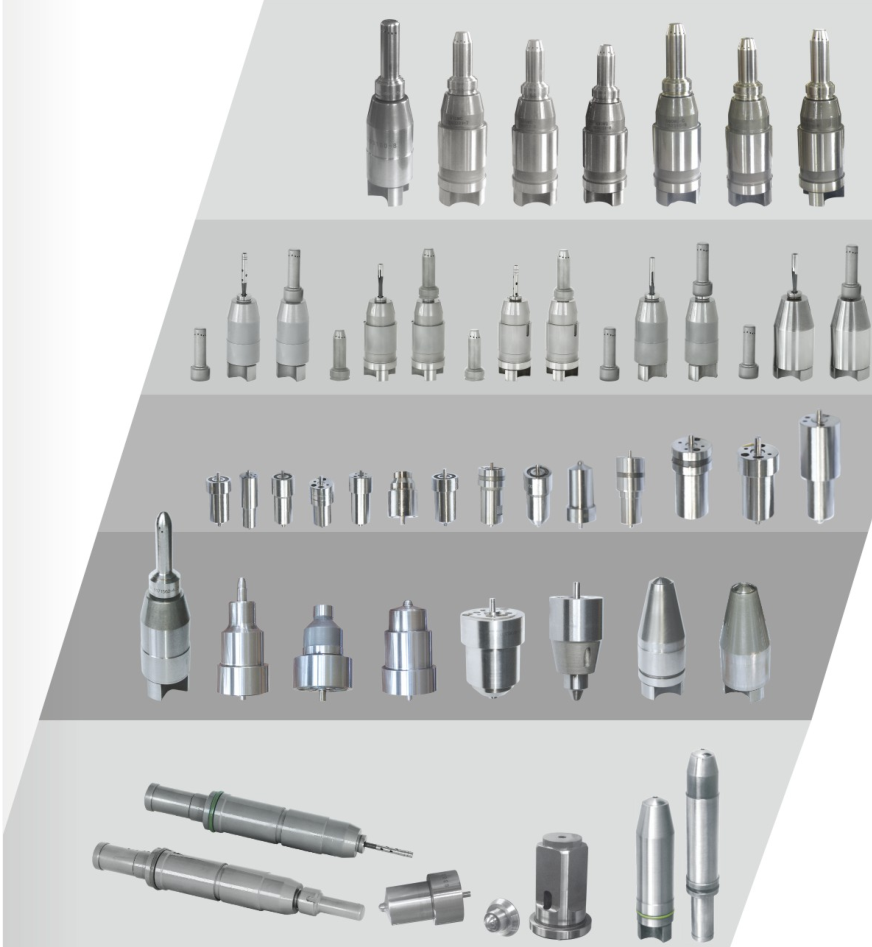
Parts for other marine propulsion engines
Source parts for other marine propulsion engines from vetted manufacturers and suppliers in Asia. Designed for maritime distributors, shipyards, and marine engineering brands needing OEM production, our network delivers bulk components for specialized propulsion systems meeting strict classification standards.
Sourcing components for specialized marine propulsion systems—such as waterjets, azimuth thrusters, pod drives, and cycloidal propellers—requires a supply chain capable of handling strict marine classification standards. Unlike standard inboard or outboard engine parts, these components endure complex load profiles, extreme torque, and aggressive galvanic corrosion environments. Procuring these parts in volume means navigating foundries and machining centers that can guarantee material traceability and sub-millimeter tolerances on heavy castings.
Material Specifications and Machining Tolerances
The reliability of non-conventional propulsion parts hinges on the metallurgical integrity of the raw materials. Specialized impellers, customized gear housings, and heavy-duty drive shafts require marine-grade alloys that balance tensile strength with cavitation and corrosion resistance.
When vetting suppliers for custom propulsion components, verify their capability to cast and machine the following critical materials:
| Material | Primary Application | Key Sourcing Challenge |
|---|---|---|
| Nickel-Aluminum Bronze (NAB) | Waterjet impellers, thruster propellers | Requires precise cooling rates during casting to prevent phase segregation. |
| Duplex Stainless Steel (2205/2507) | Drive shafts, heavy-duty structural hubs | High tool wear during CNC machining; requires advanced tooling and rigid setups. |
| Marine Grade Titanium | High-performance surface drive components | Requires vacuum arc remelting and highly specialized forging facilities. |
Achieving the necessary hydrodynamic profiles requires 5-axis CNC machining capabilities. Dynamic balancing is also non-negotiable for rotating assemblies to prevent destructive vibration at high RPMs.
Struggling to find foundries capable of pouring and machining complex marine alloys? Let our sourcing engineers connect you with vetted maritime manufacturers.
Talk to our teamQuality Control and Classification Society Compliance
In commercial marine applications, components often require certification from International Association of Classification Societies (IACS) members, such as DNV, ABS, or Lloyd's Register. A supplier's inability to provide proper documentation can render a shipment useless for commercial shipbuilding or refit projects.
Effective Quality Control & Inspection for marine propulsion parts must go beyond dimensional checks. It requires stringent Non-Destructive Testing (NDT) to detect subsurface casting defects before the parts leave the factory.
Critical Factory Verification Steps for Propulsion Parts
- Verify capability to provide EN 10204 3.1 or 3.2 Material Test Certificates.
- Confirm in-house or certified third-party NDT capabilities (Ultrasonic, Dye Penetrant, Magnetic Particle).
- Audit the foundry's scrap rate and material traceability protocols from ingot to finished part.
- Ensure dynamic balancing equipment is calibrated to ISO 1940-1 standards.
Before committing to tooling for a new component, conducting thorough Factory Audits is essential. You must physically verify the supplier's testing equipment, casting capacity, and historical compliance with marine classification societies.
Production Economics: MOQs, Tooling, and Lead Times
Because specialized propulsion parts often require bespoke casting molds or heavy forging dies, the production economics differ significantly from standard automotive or light-marine components. Tooling amortization is a primary driver of unit cost.
If you are developing proprietary propulsion technology, utilizing professional OEM/ODM Services ensures your intellectual property is protected while navigating the complex tooling and prototyping phases.
Need to optimize your tooling costs or consolidate your marine parts supply chain? Speak with our procurement specialists today.
Get a free consultationFrequently Asked Questions
Sourcing specialized marine propulsion components requires a deep understanding of metallurgy, machining capabilities, and international maritime standards. By partnering with foundries and machining centers that possess the right technical infrastructure and quality management systems, you can secure reliable, high-performance parts at scale.
Get Sourcing Help for Parts for other marine propulsion engines
Tell us your requirements and our experts will connect you with verified manufacturers.