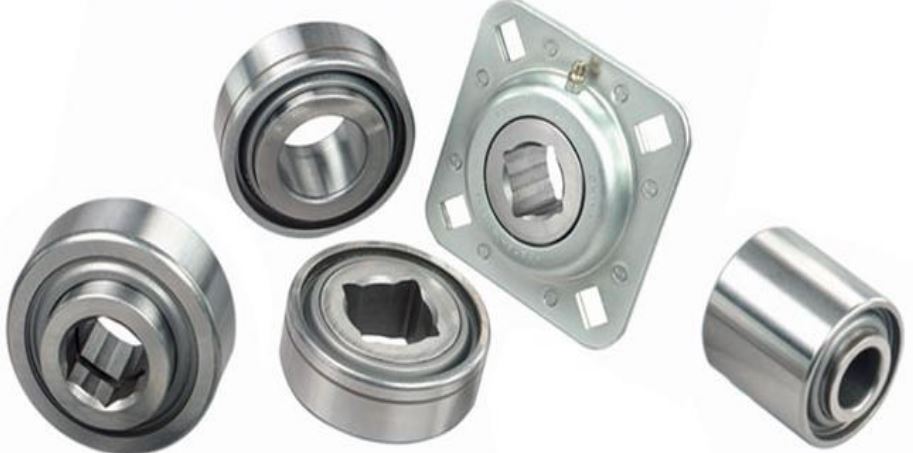
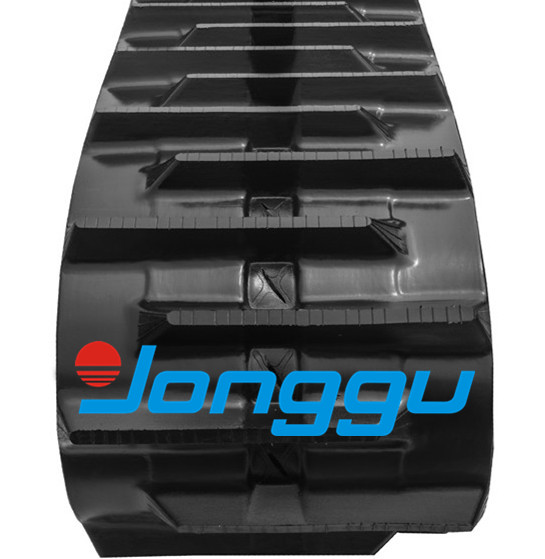
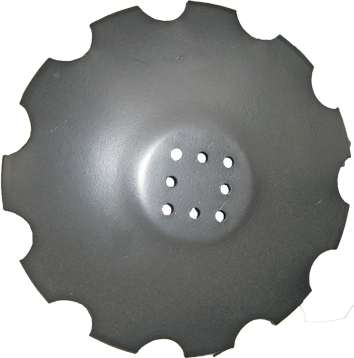
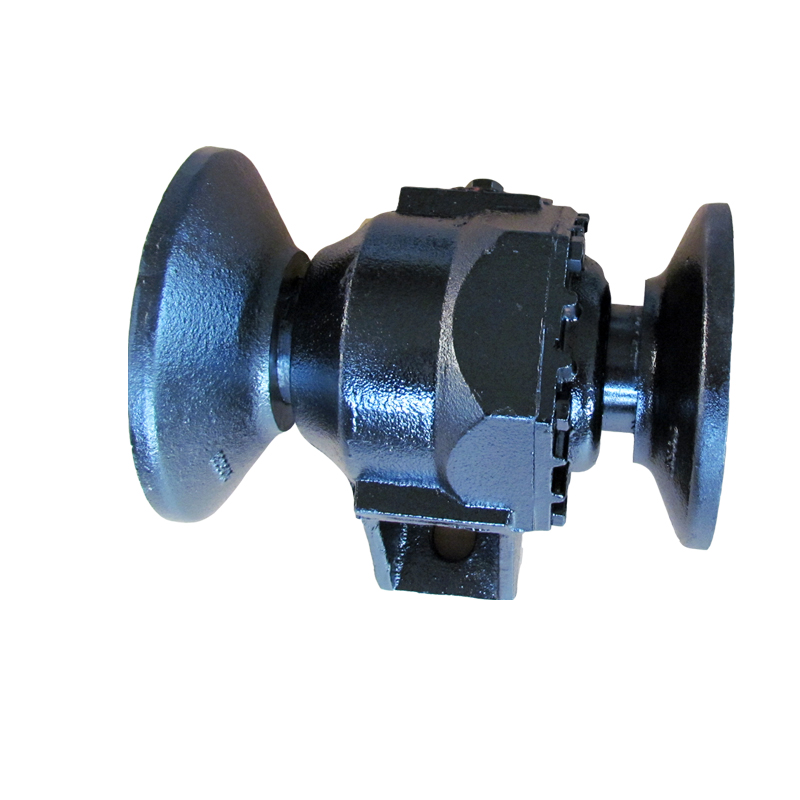
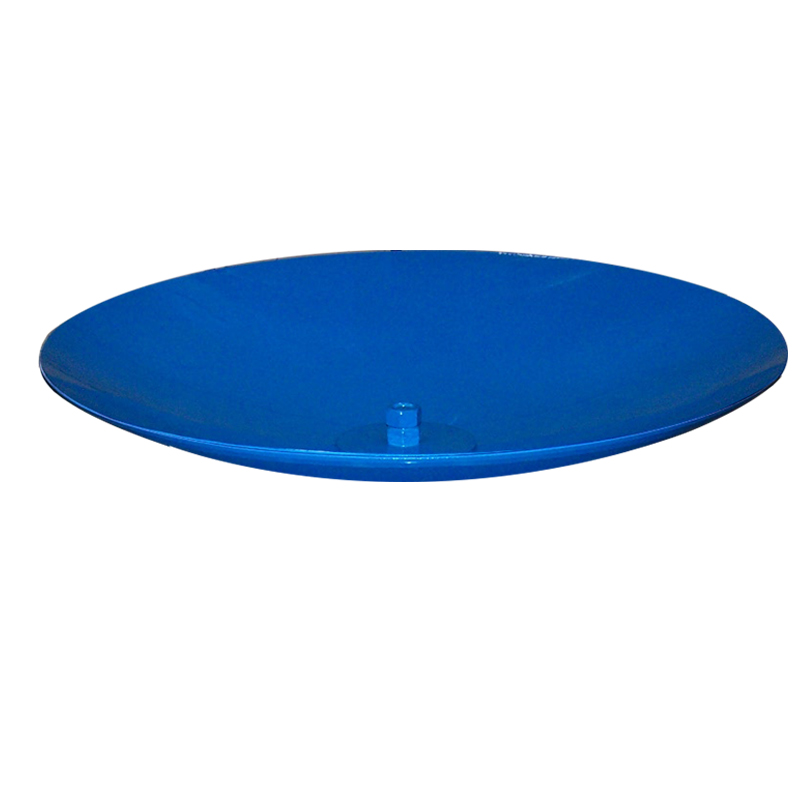
Parts for Agricultural Machinery
Source high-quality Parts for Agricultural Machinery from vetted manufacturers and suppliers. This category serves importers, agricultural equipment distributors, and brands requiring reliable OEM and aftermarket components in bulk. Secure competitive wholesale pricing on durable machinery parts built to exact specifications.
Sourcing agricultural machinery parts in bulk requires balancing extreme operational durability with cost-effective manufacturing. Whether you are procuring aftermarket replacement parts, soil-engaging tools, or developing custom components for new equipment lines, success depends entirely on strict adherence to material specifications, heat treatment protocols, and precise machining tolerances.
Material Specifications and Manufacturing Methods
Agricultural parts operate in highly abrasive, high-impact environments. Specifying the correct material and manufacturing method is the most critical step in the procurement process. Relying on generic terms like "carbon steel" leaves too much room for factory substitution. You must define exact grades (e.g., 27MnCrB5, 1045, or ductile iron QT450-10) based on the part's function.
| Material / Method | Typical Applications | Key Characteristics |
|---|---|---|
| Boron Steel (Heat Treated) | Tillage tools, disc blades, plows | Extreme wear resistance, high impact strength, retains sharp edges. |
| Ductile Iron Casting | Gearbox housings, brackets, hubs | Good machinability, excellent vibration damping, cost-effective for complex shapes. |
| Forged Carbon Steel | Shafts, hitches, heavy-load joints | Maximum structural integrity, directional grain flow for high-stress applications. |
When requesting quotes, ensure your RFQ includes the required hardness levels (e.g., HRC 45-50), tensile strength, and any necessary surface treatments to combat soil corrosion and chemical exposure.
Quality Control on the Factory Floor
The difference between a part that lasts multiple seasons and one that shatters under first impact often comes down to heat treatment and quality assurance. Because visual inspection cannot reveal internal structural flaws or improper tempering, verifying the supplier's actual in-house capabilities through thorough factory audits is essential before placing volume orders.
Critical QC Checkpoints for Agricultural Parts
- Hardness testing (HRC/HB) to verify heat treatment consistency across different batches.
- Dimensional tolerance checks using CMM (Coordinate Measuring Machines) for critical mating surfaces.
- Salt spray testing for powder-coated or galvanized components to ensure adequate corrosion resistance.
- Ultrasonic or X-ray inspection to detect internal voids, porosity, or cracks in heavy castings.
Implementing rigorous quality control & inspection before shipment prevents catastrophic field failures and costly product recalls.
Need reliable manufacturers for high-wear agricultural components? Let's discuss your technical requirements and supplier vetting strategy.
Talk to our teamTooling and OEM Production
For brands developing proprietary equipment or customizing existing designs, utilizing OEM/ODM services is standard practice. Developing custom parts usually requires investing in molds for castings or dies for forgings.
When managing tooling:
- Ownership: Ensure your contract explicitly states that you own the tooling upon payment, preventing the factory from selling your proprietary designs to competitors.
- Maintenance: Clarify who is responsible for mold maintenance and at what shot-count the factory must replace the tooling at their own expense.
- First-Article Inspection: Never approve mass production without rigorously testing a first-article sample in the field.
Wholesale Pricing, MOQs, and Lead Times
Agricultural machinery parts are typically heavy and volume-intensive, meaning material costs and logistics heavily influence unit pricing. Minimum Order Quantities (MOQs) are usually dictated by the batch size required for the furnace (for heat-treated parts) or the casting run.
Keep in mind that peak agricultural seasons dictate global supply chain rhythms. Factories often reach capacity months before spring planting or autumn harvest seasons, so forecasting and ordering well in advance is crucial to secure favorable pricing and timely delivery.
Optimize your agricultural parts supply chain and reduce your landed costs. Contact us for a sourcing assessment.
Get a free consultationFrequently Asked Questions
Sourcing agricultural machinery parts requires a partner who understands the technical demands of the field. By focusing on material integrity, clear tooling agreements, and rigorous factory-level QA, you can secure reliable components that keep equipment running season after season.
Get Sourcing Help for Parts for Agricultural Machinery
Tell us your requirements and our experts will connect you with verified manufacturers.