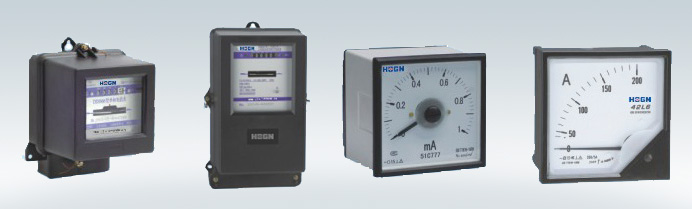
Parameter Measuring Instruments
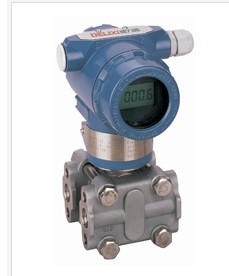
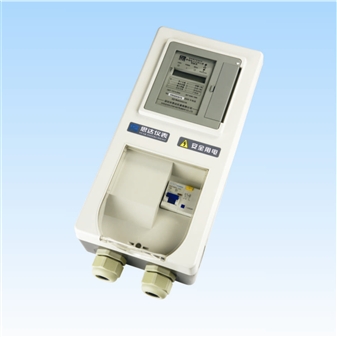
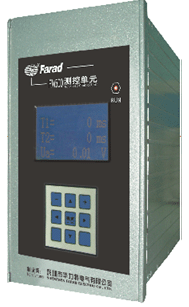
Source high-accuracy parameter measuring instruments directly from vetted manufacturers and wholesale suppliers in China. Designed for importers, industrial distributors, and brands seeking reliable OEM/ODM production, our catalog ensures access to precision electrical instruments built for demanding commercial and industrial environments.
Sourcing electrical parameter measuring instruments in bulk requires strict attention to component integrity, calibration standards, and safety certifications. Whether you are procuring panel meters for industrial automation, handheld diagnostic tools for field engineers, or benchtop analyzers for laboratories, the core sourcing challenge lies in verifying that the factory’s internal quality control matches the specifications printed on the datasheet.
Critical Specifications for Bulk Procurement
When negotiating with manufacturers, vague specifications lead to component substitution. Precise definition of the internal architecture and performance metrics is non-negotiable.
| Specification Focus | Standard Commercial Grade | Industrial / Precision Grade |
|---|---|---|
| Accuracy Class | 1.0 to 2.5 (Suitable for basic indication) | 0.1 to 0.5 (Required for billing or precision control) |
| Measurement Method | Average Responding | True RMS (Essential for non-linear loads) |
| Safety Rating | CAT II (Appliance level) | CAT III / CAT IV (Distribution and grid level) |
| Data Interfaces | Basic pulse output or none | RS485 (Modbus RTU), HART, Profibus, Ethernet |
Component Selection and Architecture
The heart of any parameter measuring instrument is its Analog-to-Digital Converter (ADC) and microprocessor. Lower-tier suppliers often substitute specified, high-resolution ADCs with cheaper alternatives during mass production, which severely impacts the instrument's sampling rate and resolution. Always specify the exact IC brands and models required, and ensure your Quality Control & Inspection protocols include teardowns of random production samples to verify the Bill of Materials (BOM).
Need help verifying supplier capabilities and production quality? Let our engineers handle the technical vetting.
Talk to our teamManufacturing Tolerances and Quality Control
A factory's capability is best judged by its calibration and testing infrastructure, not its assembly lines. Precision instruments require controlled environments to prevent calibration drift before the unit even leaves the facility.
Factory Evaluation Criteria for Measuring Instruments
- Calibration Equipment: Does the factory use traceable reference standards (e.g., Fluke calibrators) with valid calibration certificates?
- Environmental Chambers: Are units subjected to temperature and humidity cycling to verify performance stability across stated operating ranges?
- Burn-in Testing: Is there a mandatory burn-in period (typically 48 to 72 hours) under load to catch early component failure?
- EMI/EMC Facilities: Does the manufacturer have in-house shielding and emission testing to ensure industrial compliance?
The Risk of False Safety Ratings
One of the most dangerous defects in imported electrical instruments is the misapplication of Overvoltage Installation Categories (CAT ratings). A device marked CAT III but lacking the necessary input protection (such as high-energy fuses, MOVs, and adequate PCB trace spacing) poses a severe risk to end-users. Validating these safety claims often requires independent Compliance & Testing to ensure the instruments meet IEC 61010 standards before shipment.
Customization and OEM/ODM Production
For brands looking to establish a distinct market presence, white-labeling off-the-shelf units is rarely enough. Engaging in OEM/ODM Services allows you to customize the firmware, user interface, and physical casing.
Custom Firmware vs. Standard Firmware
Advantages
- Allows integration of proprietary communication protocols.
- Customizes the display interface (e.g., specific parameter layouts).
- Locks the device to your brand's software ecosystem.
Disadvantages
- Increases initial development costs and lead times.
- Requires higher MOQs to justify factory R&D allocation.
- Necessitates rigorous beta testing to prevent software bugs.
Pricing, MOQs, and Production Lead Times
Costs and minimum order quantities scale predictably based on the level of customization and the precision required.
Pricing is highly volatile based on the cost of semiconductors and global copper prices (affecting current transformers and shunts). When negotiating, ask the supplier to break down the cost of the core components versus assembly. This transparency protects you from sudden price hikes disguised as "material cost increases."
Planning a custom instrument line? We can help you negotiate accurate BOM costs and manage the tooling process.
Get a free consultationFrequently Asked Questions
Sourcing parameter measuring instruments is a technical exercise in risk management. Success depends entirely on locking down component-level specifications and enforcing rigorous testing protocols at the factory level. By treating calibration and safety standards as absolute prerequisites rather than afterthoughts, you can secure reliable, high-margin instruments for your distribution network.
Get Sourcing Help for Parameter Measuring Instruments
Tell us your requirements and our experts will connect you with verified manufacturers.