Paper Processing Machinery
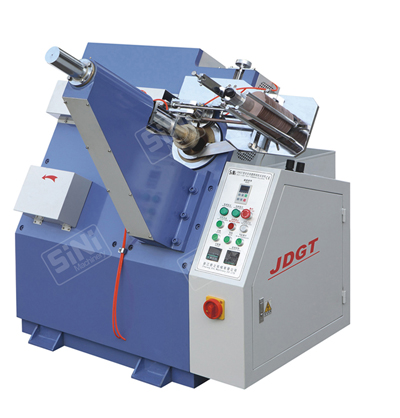
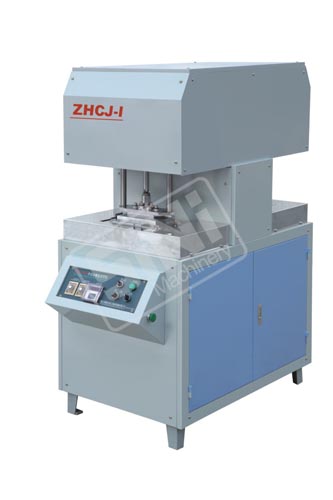
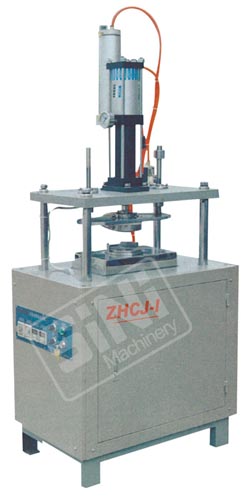
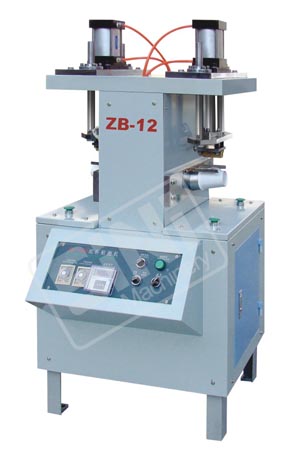
Source industrial-grade paper processing machinery directly from vetted manufacturers and wholesale suppliers. Built for importers, equipment distributors, and OEM brands, our network delivers reliable converting and processing equipment designed for high-volume production, precision, and long-term durability.
Sourcing paper processing machinery requires balancing production speed with precise web tension control. The difference between a highly profitable converting line and endless operational downtime usually comes down to component metallurgy, PLC integration, and the dynamic balancing of the rollers. Buying industrial machinery overseas means navigating a massive variance in engineering standards, where two machines with identical spec sheets can perform vastly differently on the factory floor.
Specifying Paper Processing Machinery
When dealing with Asian manufacturers, "standard" configurations often use domestic Chinese electronics and lower-grade steel to meet aggressive price points. To ensure continuous, high-speed operation, you must clearly specify your required tolerances and component brands before requesting a quotation.
| Specification | Budget / Standard Tier | Industrial / Export Tier |
|---|---|---|
| Web Tension Control | Manual / Magnetic Powder | Fully Automatic / Closed-Loop AC Vector |
| PLC & Electronics | Domestic (e.g., Chint, Delta) | International (Siemens, Yaskawa, Mitsubishi) |
| Cutting Blades | Standard HSS (High-Speed Steel) | Tungsten Carbide / SKD11 |
| Roller Dynamic Balancing | Rated for under 150 m/min | Rated for over 300 m/min without vibration |
Specifying international electronics (like Siemens or Mitsubishi) not only improves reliability but ensures your local technicians can source replacement parts and troubleshoot the PLC logic without relying on the original factory.
Need help verifying technical specifications and vetting machinery builders?
Talk to our teamManufacturing Variances and Quality Control
The structural integrity of paper processing equipment is dictated by the frame thickness, the precision of the moving parts, and the quality of the assembly. Vibration at high speeds leads to uneven cuts, frequent paper jams, and rapid blade wear.
Because machinery manufacturing involves complex, multi-stage assembly, relying solely on a final pre-shipment inspection is risky. Conducting thorough factory audits before placing a deposit ensures the supplier actually machines their own heavy frames rather than just bolting together cheap, outsourced components.
Critical Factory Acceptance Test (FAT) Points
- Dynamic balancing of all guide and nip rollers at maximum operational speed.
- Run-out testing on cutting shafts (tolerance must be strictly under 0.02mm).
- Verification of PLC logic, safety interlocks, and English-language HMI interfaces.
- Continuous run test (minimum 4 hours) using your exact paper GSM and grade.
During production, staged quality control catches misalignment and subpar metallurgy early, before the machine is fully built, painted, and crated.
Lead Times, Pricing, and Logistics
Heavy industrial machinery is rarely kept in stock. Most paper processing equipment is built-to-order based on your specific web width, unwinding diameter, and speed requirements.
- MOQ: 1 Set (standard for heavy industrial equipment).
- Lead Times: 45 to 90 days for production, depending on the complexity of the automation and the factory's current backlog. Custom modifications can add 20 to 30 days to the timeline.
- Pricing Drivers: The cost of the machine scales aggressively with the maximum web width and the brand of the servo motors. Upgrading from a domestic step motor to a Japanese servo system can increase the machine cost by 15 to 30 percent, but it drastically reduces maintenance downtime and material waste.
Logistics and Shipping Clearances
Paper processing machines often exceed standard shipping container dimensions. Ensure your supplier provides accurate crated dimensions early in the process. You may require open-top containers or flat racks, which significantly impacts shipping and freight costs and routing options.
Planning a new production line? Let us handle the supplier negotiation, quality control, and heavy logistics.
Get a free consultationFrequently Asked Questions
The true cost of paper processing machinery is measured in uptime. Saving a few thousand dollars on the initial purchase price is quickly negated if the machine suffers from constant web breaks or requires proprietary replacement parts that take weeks to arrive. Sourcing the right equipment means vetting the engineering capability of the factory, not just comparing spec sheets. If you are ready to upgrade your production lines with reliable, high-performance machinery, our team is here to manage the process from technical vetting to final delivery.
Get Sourcing Help for Paper Processing Machinery
Tell us your requirements and our experts will connect you with verified manufacturers.